Aye, it does rain in Scotland. Usually, I’m told, a wee bit of ongoing mist, but sometimes a freaking downpour. And yet I booked a private tour of the Royal Mile and Edinburgh Castle, and the show must go on. The Mile is very touristy, but, like many such places, with a little effort and intrepidity you can have your own singular experience in spite of it.
My guide, Gains, has a PhD in History, and he brought whisky. As we meandered up the mile, he had many colorful tales to tell. Best of all, he poured wee drams at 10:30 in the morning as we stood in front of The Writers Museum, devoted to the Scottish trifecta of 18th and 19th century writers, Robert Burns, Sir Walter Scott and Robert Louis Stevenson. Over my drams he told me about Burns Night every January 25, when Scotland celebrates their Rabbie’s birthday with a bit of frivolity and drink. It was a very Scottish moment.
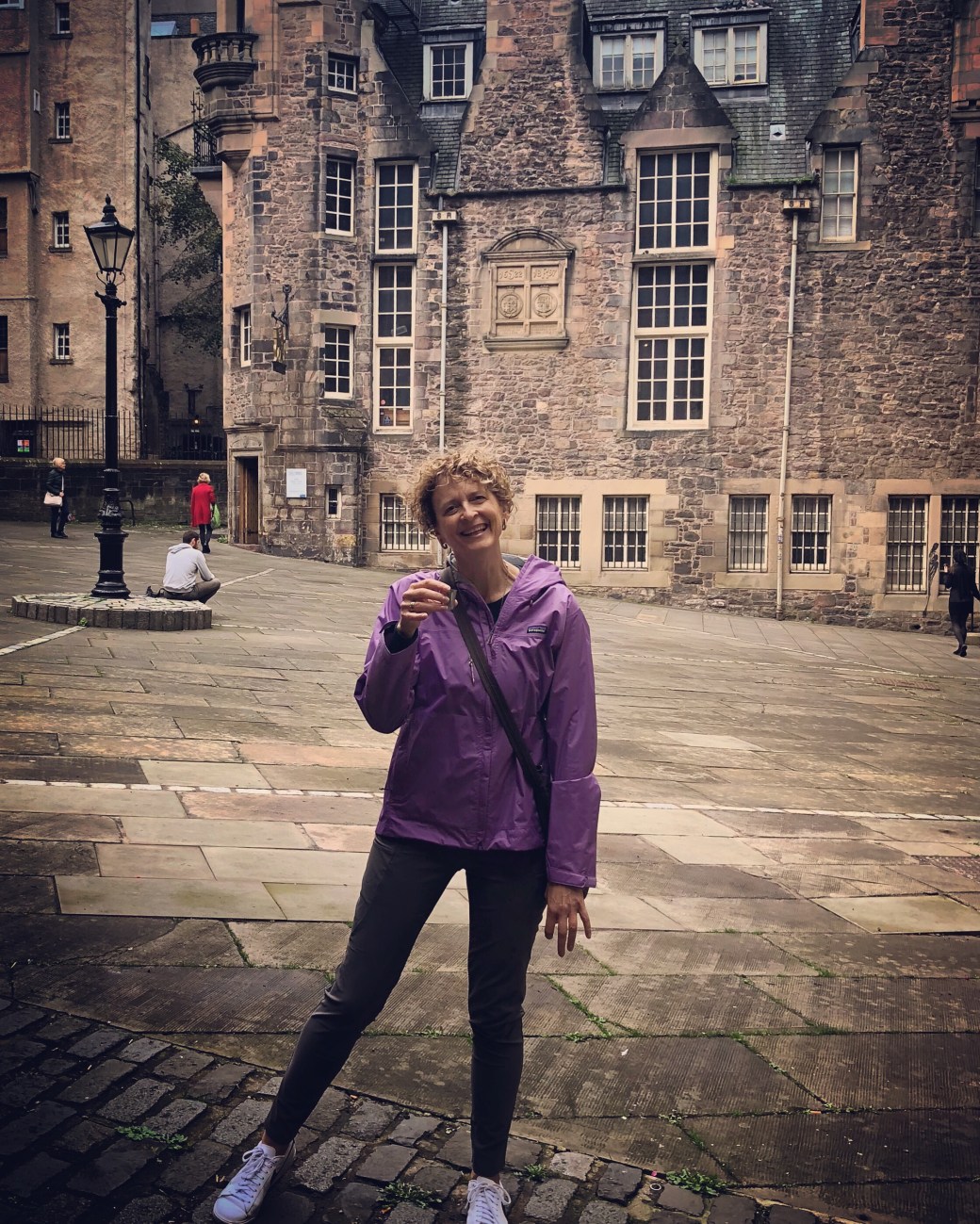

As romantic as the Mile is now, it used to be utterly disgusting. Its streets floated with raw sewage and it was massively overcrowded with people in tenement-style buildings up to 14 stories tall. More than 50,000 Scots were crammed within its walls and livestock roamed freely. There was no plumbing (ignoring Roman tech) and so once a day residents would dump buckets of waste into the streets from upper windows. There was a bit of a warning first: “Gardyloo!” This was from the French gardez l’eau, but all credit to the Scots, not really l’eau at that point, loo being much more accurate. Residents used to be able to dump at any hour of the day, but in 1749 The Nastiness Act was passed which decreed waste could only be tossed out between 10:00 pm and 7:00 am.
As you can imagine, the city’s water supply was diseased. So the primary sources of hydration became alcohol (even for children, even first thing in the morning) and tea (because boiled).
Edinburgh’s upper classes lived on the center floors, too low down and the stench was overwhelming, too high up and there was a danger of collapse, as the top floors were wooden and poorly constructed. In the mid 18th century, the upper classes left “Old Town,” moved down the hill and established “New Town,” which is filled with Neo-Classical and Georgian architecture. To this day New Town is considered more posh, although both are UNESCO World Heritage sites.
So many interesting stops on our tour – for example, down one close (Scottish term for alleyway) is the only surviving sedan chair storage unit in the UK. Now it’s used as a bike shed, which is frankly what it looks like. Highlanders would be brought from the north to carry members of the upper classes around town suspended in these chairs so their feet wouldn’t touch the poopy ground. Also the streets were too narrow for carriages. They were King Joffrey’s preferred mode of travel in Game of Thrones.
Gains also pointed out statues of Scottish philosophers Adam Smith and David Hume, and government offices, including the old Parliament building, now housing the Courts of Session. A stone in the parking lot marks the approximate grave site of John Knox, the 16th century founder of the Presbyterian Church of Scotland and a leader of Scotland’s reformation. First Minister of Scotland Nicola Sturgeon hates him, and when she comes to town she directs her driver to park on top of the marker.
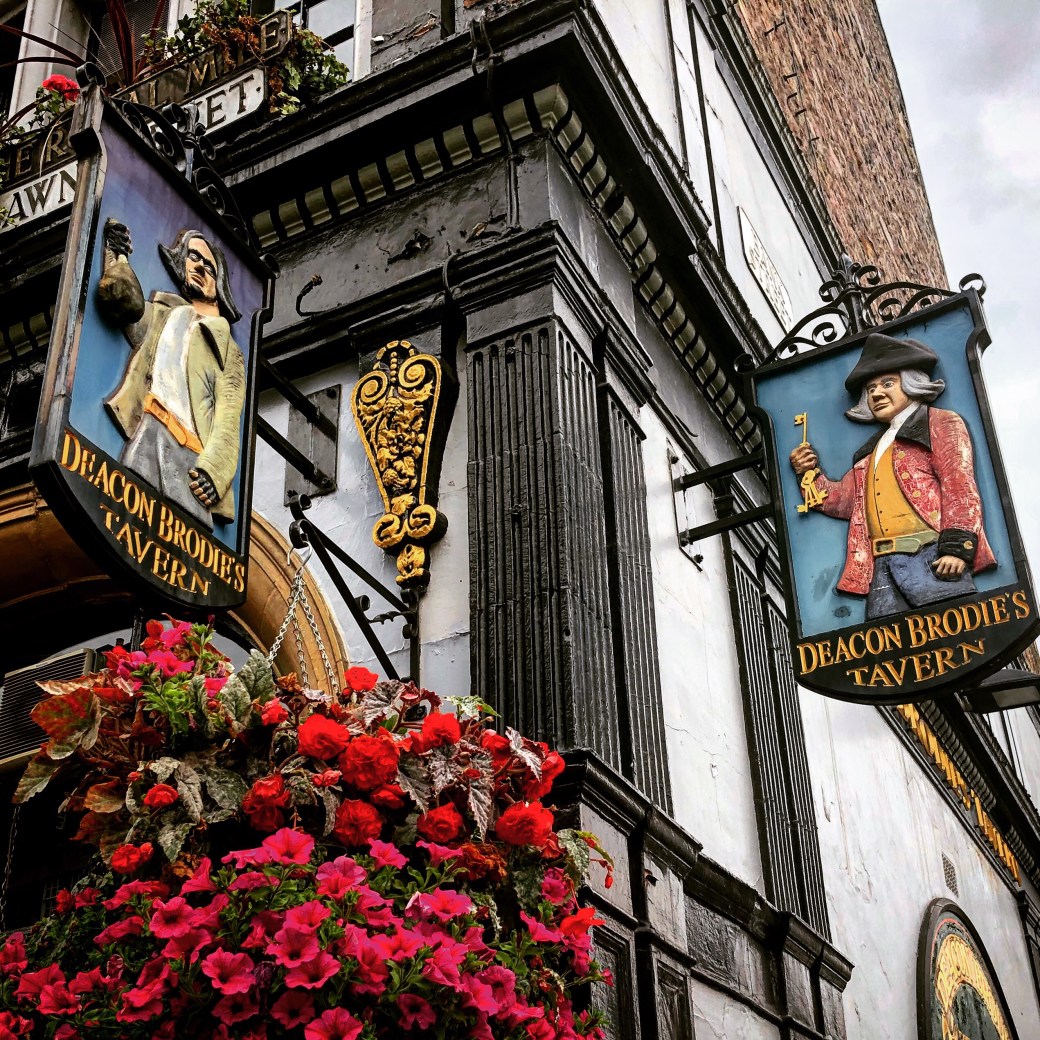
Next we stopped by a pub called Deacon Brodie’s. Brodie was a proper Scottish scoundrel in the 1700’s. A city counselor and cabinet-maker by day, he broke into homes at night to fund his gambling habit. He was eventually hanged at the Old Tollbooth just down the street from the pub that bears his name and is marked by a sign that honors his double life.
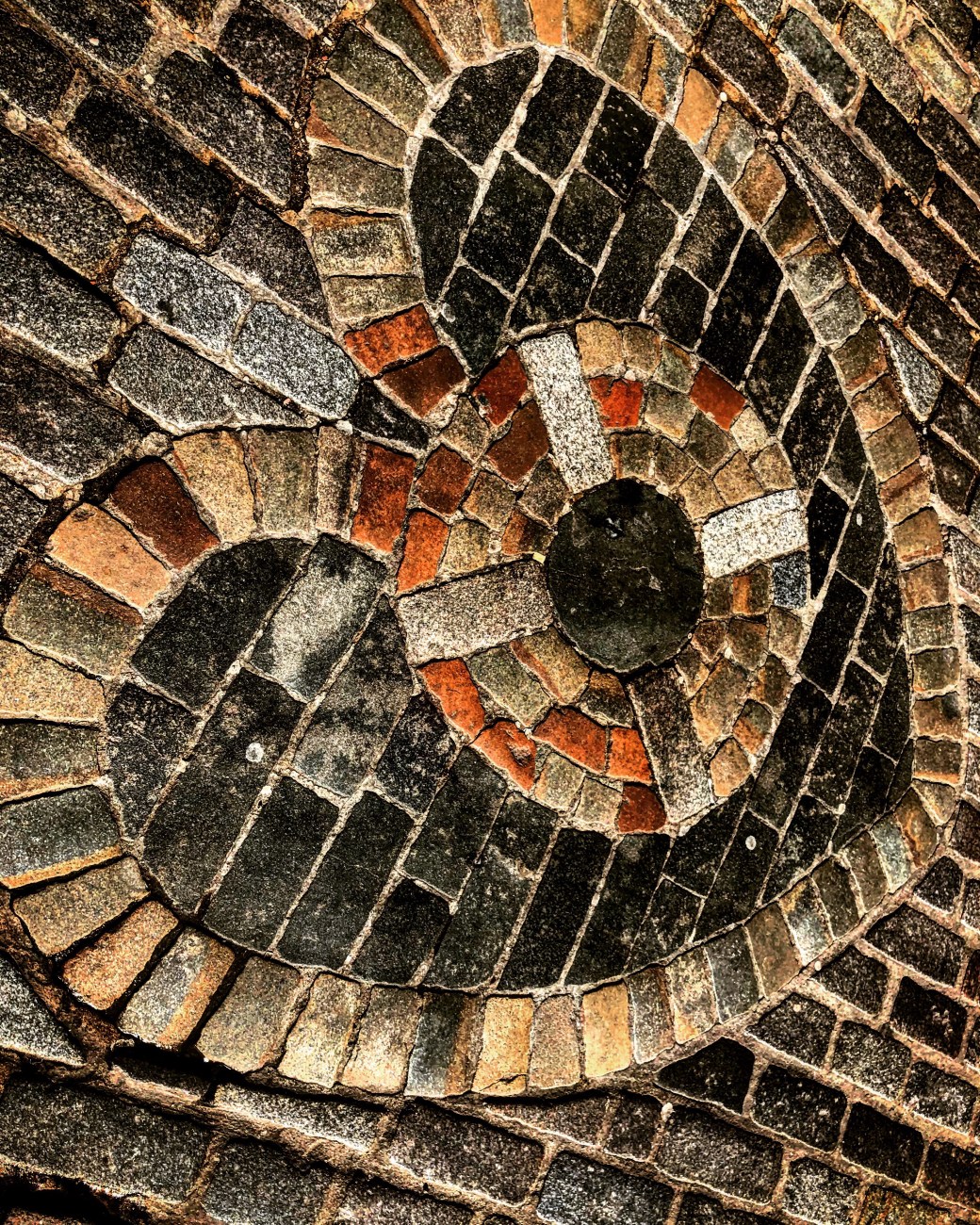
The Old Tollbooth, by the way, according to Gains, was the worst prison of all time, even more so than the Bastille. First established in the 14th century, it stood for 400 years. Sir Walter Scott wrote a book about it, called the Heart of Midlothian, often regarded as his finest novel. The Tollbooth was torn down in 1818. A Heart of Midlothian was installed in the sidewalk just at the spot, as a reminder. Gains said folks who have no idea of its history often drop to a knee and propose there.
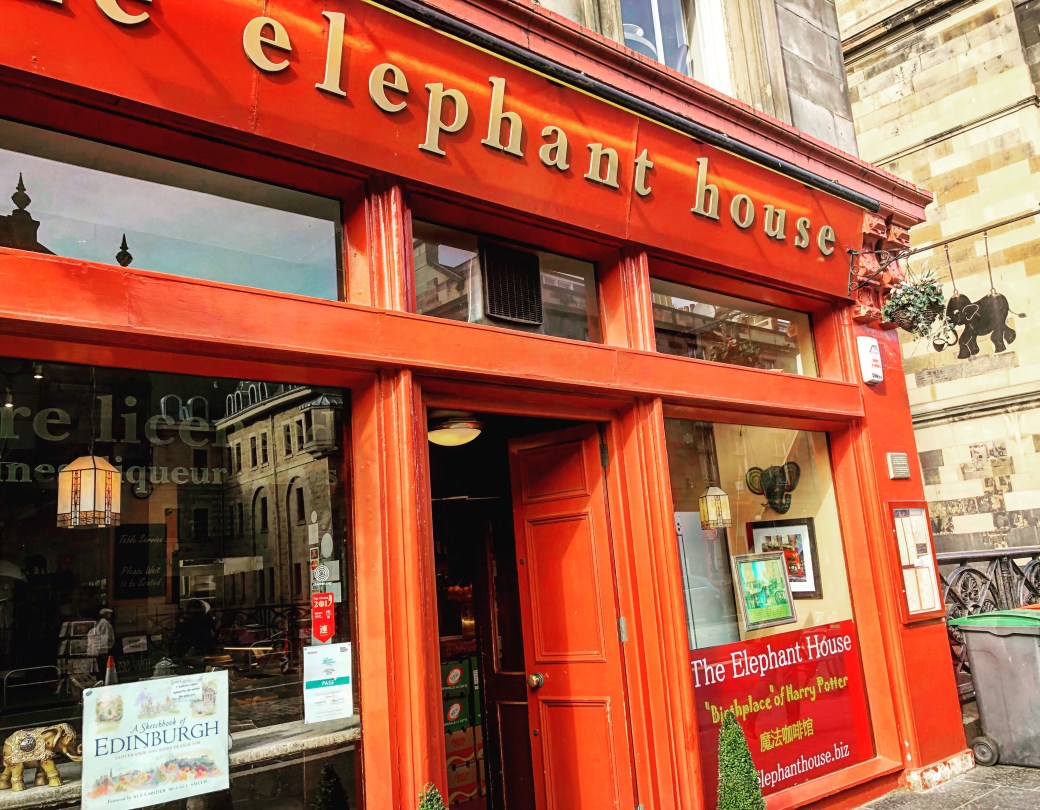
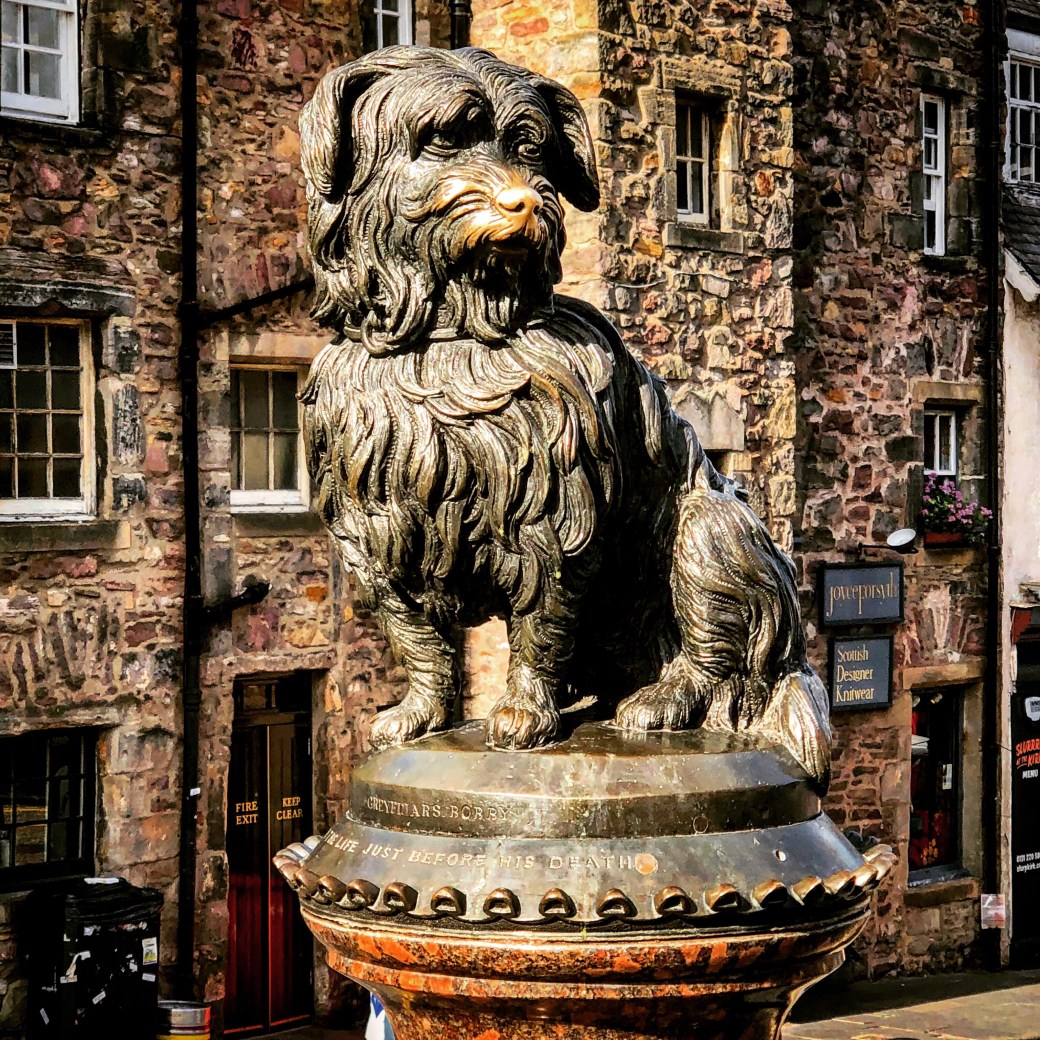
Of course, Edinburgh being the home of JK Rowling, Gains pointed out the colorful Victoria Street, which inspired Diagon Alley, Elephant House Cafe, where she wrote the first couple of books, and Greyfriar’s Kirkyard, where she found a few of her character’s names engraved on the ancient gravestones. (Wee aside: Greyfriars Bobby, just outside the Kirk, is a lovely little statue commemorating the terrier who became known in 19th century Edinburgh for spending 14 years guarding the grave of his owner until he died himself on 14 January 1872.) By the time Rowling was writing The Deathly Hallows, her publisher paid for her to stay in a suite in the swanky Balmoral Hotel. The manuscript was locked up every night. You, too, can stay in this very suite for $1300 a night. Ach, how her fortunes have turned thanks to wee Harry.

As we made our way up the hill to Edinburgh Castle, it began pouring rain. Buckets. Gains soldiered on, telling me things I should see in the Castle. He wasn’t allowed to be in certain areas and asked me to warn him and move away if I saw a red laser dot on his forehead.
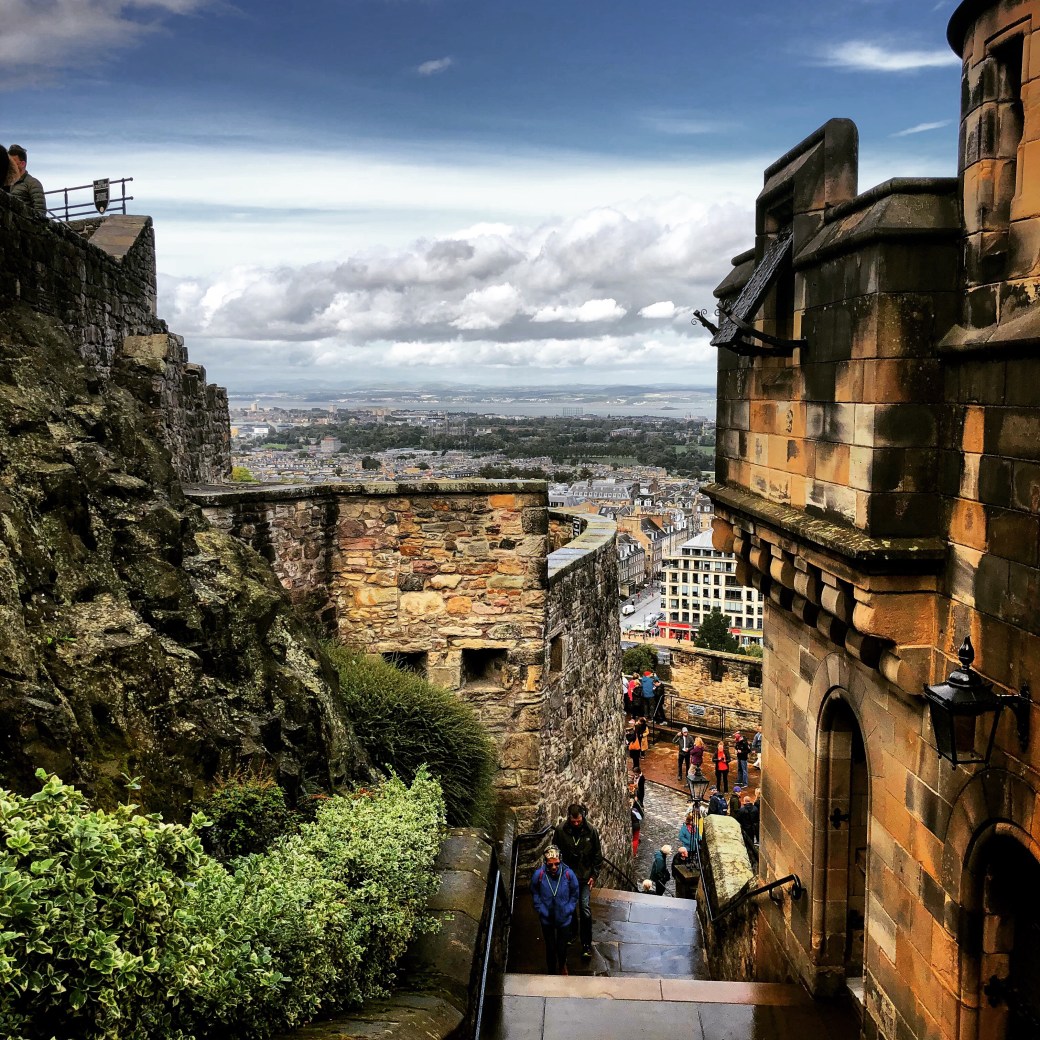
Edinburgh Castle is still an active British fort, so the British flag flies overhead rather than the Scottish. It’s a wicked fortress to conquer, being perched on a mammoth 750 million year old volcanic plug, although it’s been subject to numerous attacks and sieges throughout history. Robert the Bruce famously burned it down in the 1300’s. Speaking of which, stay tuned for the upcoming Chris Pine movie. Gains’s take (with a rueful shake of the head), “Wasn’t he Captain Kirk or something? Aye, come see Captain Kirk play Robert the Bruce! Ach.” I could go on about the storied history of Edinburgh Castle, but suffice it to say, it’s been a happening place in Scotland for centuries.
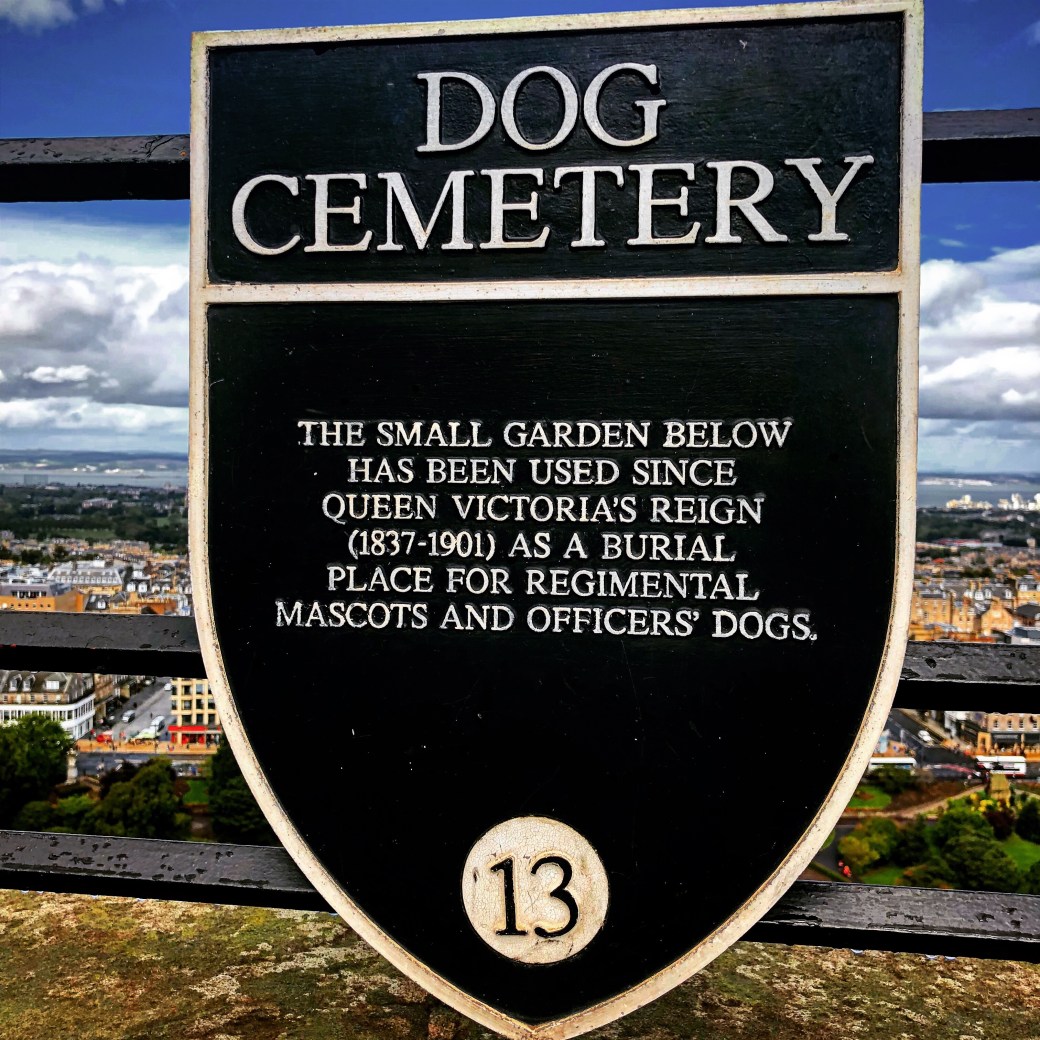
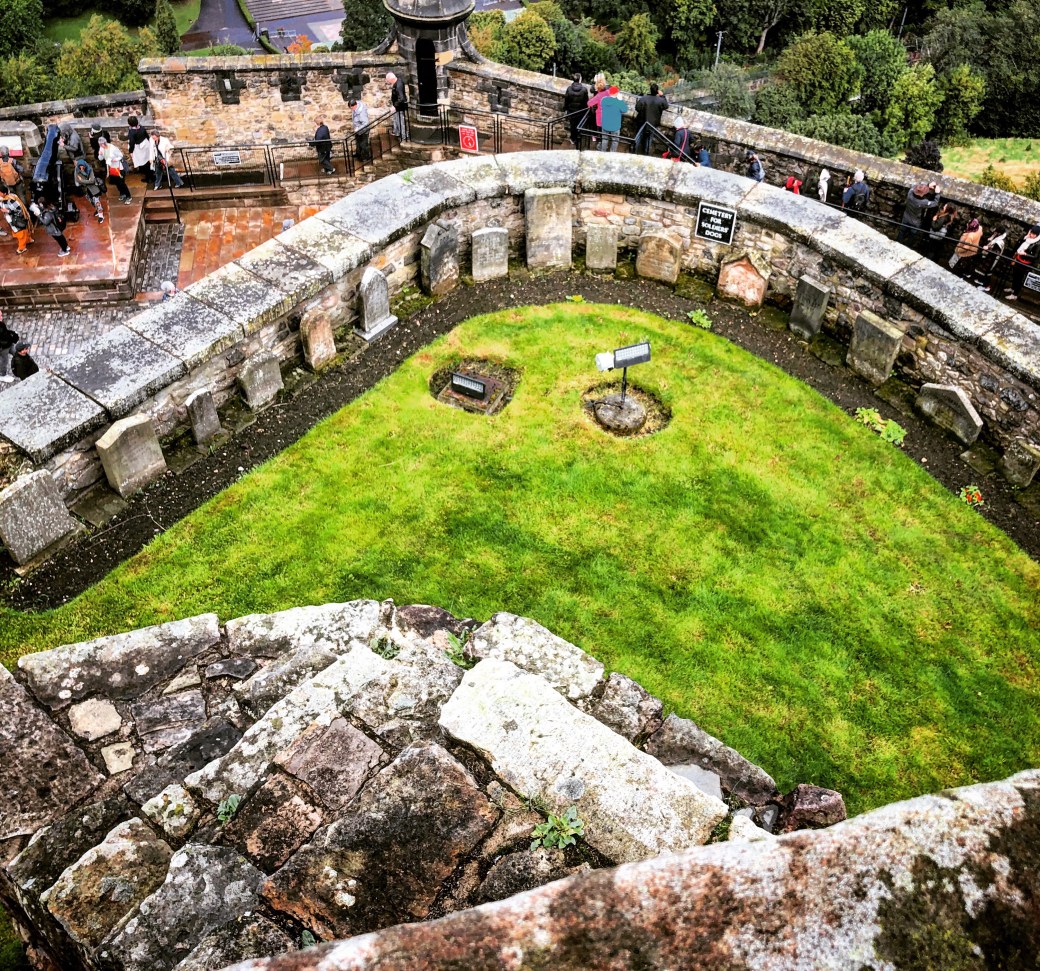
I bid farewell to Gains and explored several of the buildings inside the grounds of the fortress, including a memorial for all Scots killed in warfare since World War I. There’s also a dog cemetery where regimental mascots and officer’s dogs have been buried since Queen Victoria’s time, which is completely awesome.
Most famously, the Scottish Crown Jewels are on display, the oldest surviving set of Crown Jewels in the UK. Oliver Cromwell destroyed the British ones and that allowed Scotland to scoot into the lead. Displayed next to the coronation crown worn by Mary Queen of Scots (!!) is the storied Stone of Destiny, also known as the Stone of Scone. It’s a rather unremarkable oblong block of sandstone that has been used for centuries in the coronations of Scottish monarchs. The Brits, in keeping with their history of being awful to the Scots, swiped it in the 1400’s to use for their own coronations. A bunch of Scottish hooligans pulled a modern Highland Charge and stole the stone from Westminister Abbey in the 1950’s, bringing it home to Scotland. It was eventually returned. Finally, in 1996, the British allowed the Scots to have their stone back for good. One day, when Queen Elizabeth dies, the Brits will borrow it for the coronation of the very patient Charles. Or, if Charles can’t hold on, Prince William.
There’s a legend that centuries ago Scots switched out the real Stone of Scone for a fake before the British nicked it. If that’s true, the original hasn’t resurfaced. Or has it.
There are no photos of the Crown Jewels or the stone because royal rules.
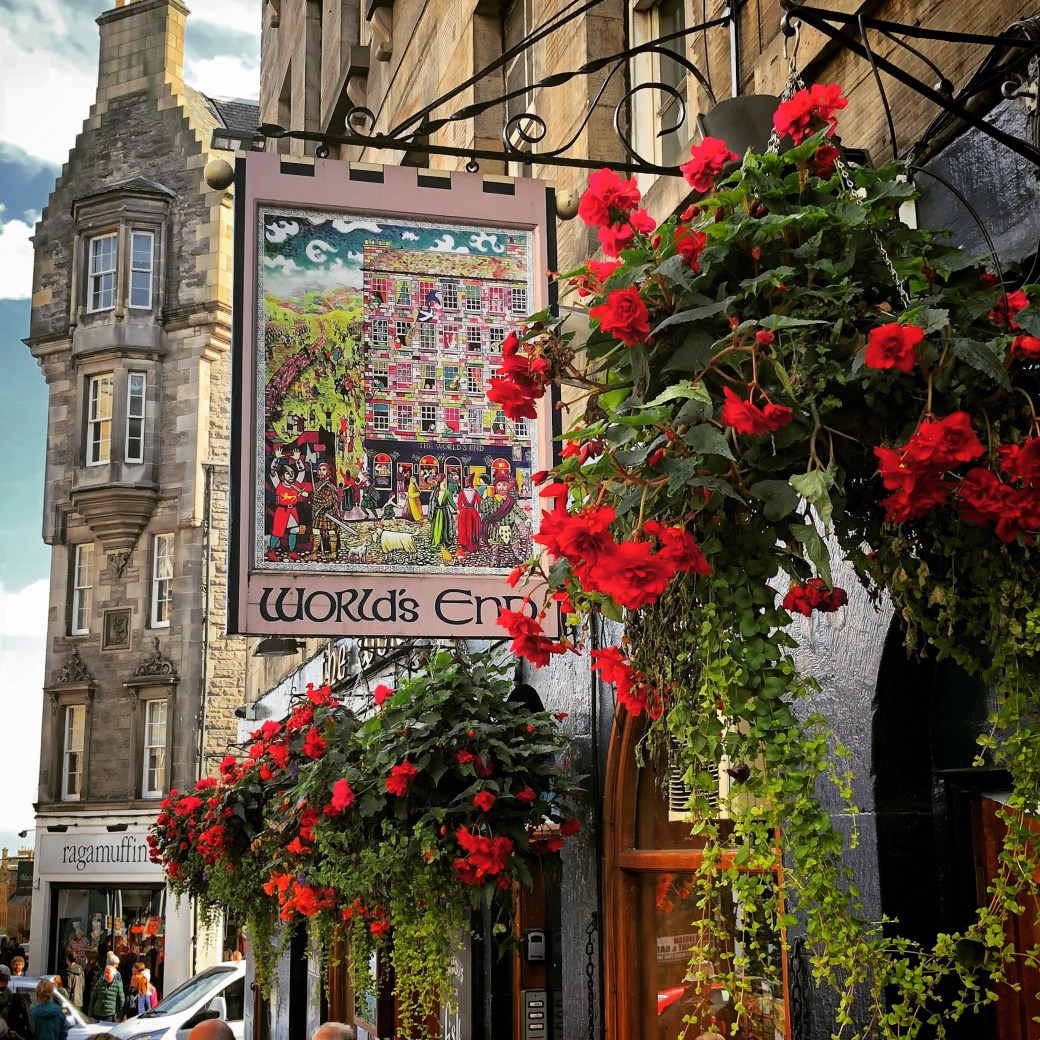
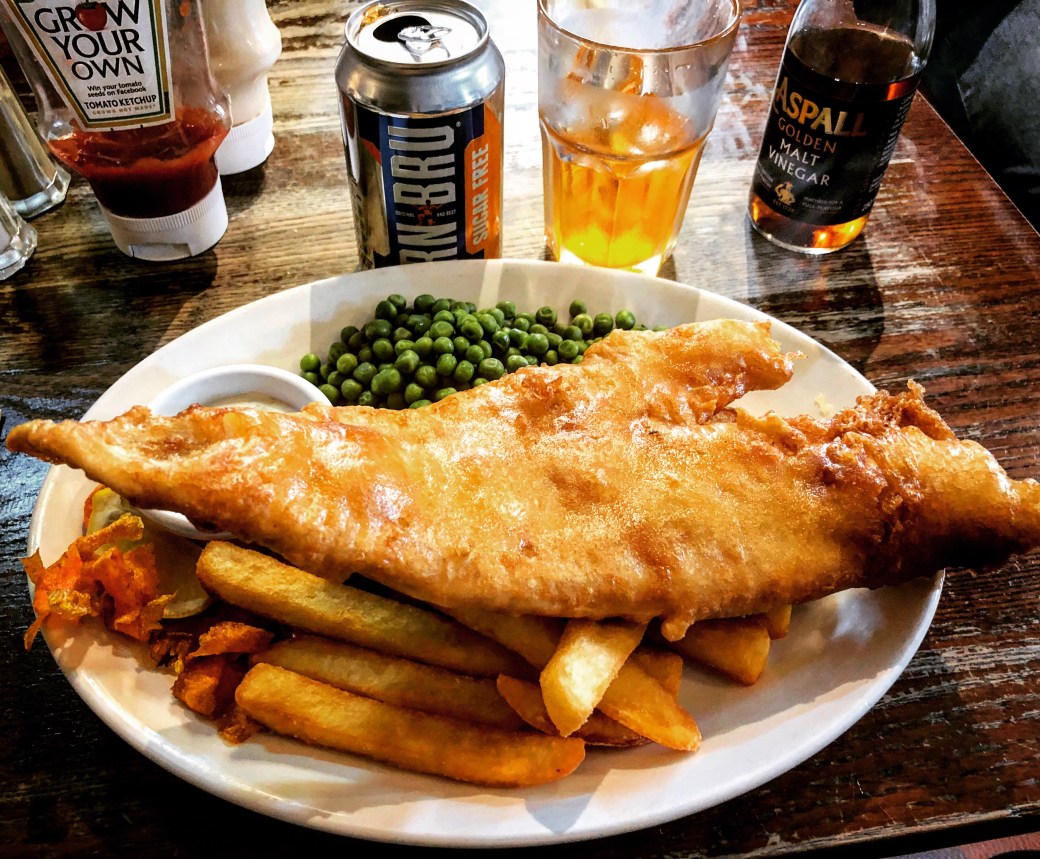
When I could stand the big gobs of tourists at the castle no longer, I made my way back down the Mile, stopping for lunch at the World’s End pub, so-called because it was on the edge of town just inside the wall, back when there was one. Fish and chips is their speciality, so I ordered it, and holy crap it was not at all wee. I also tried the Scottish soda called Irn Bru, which Gains told me outsells Coke products in Scotland. It is not very good – a bit like cream soda but not quite there. Perhaps the non-diet version would be better – I read that Scots were up in arms when Obama was spotted drinking a diet Irn Bru in St Andrews.
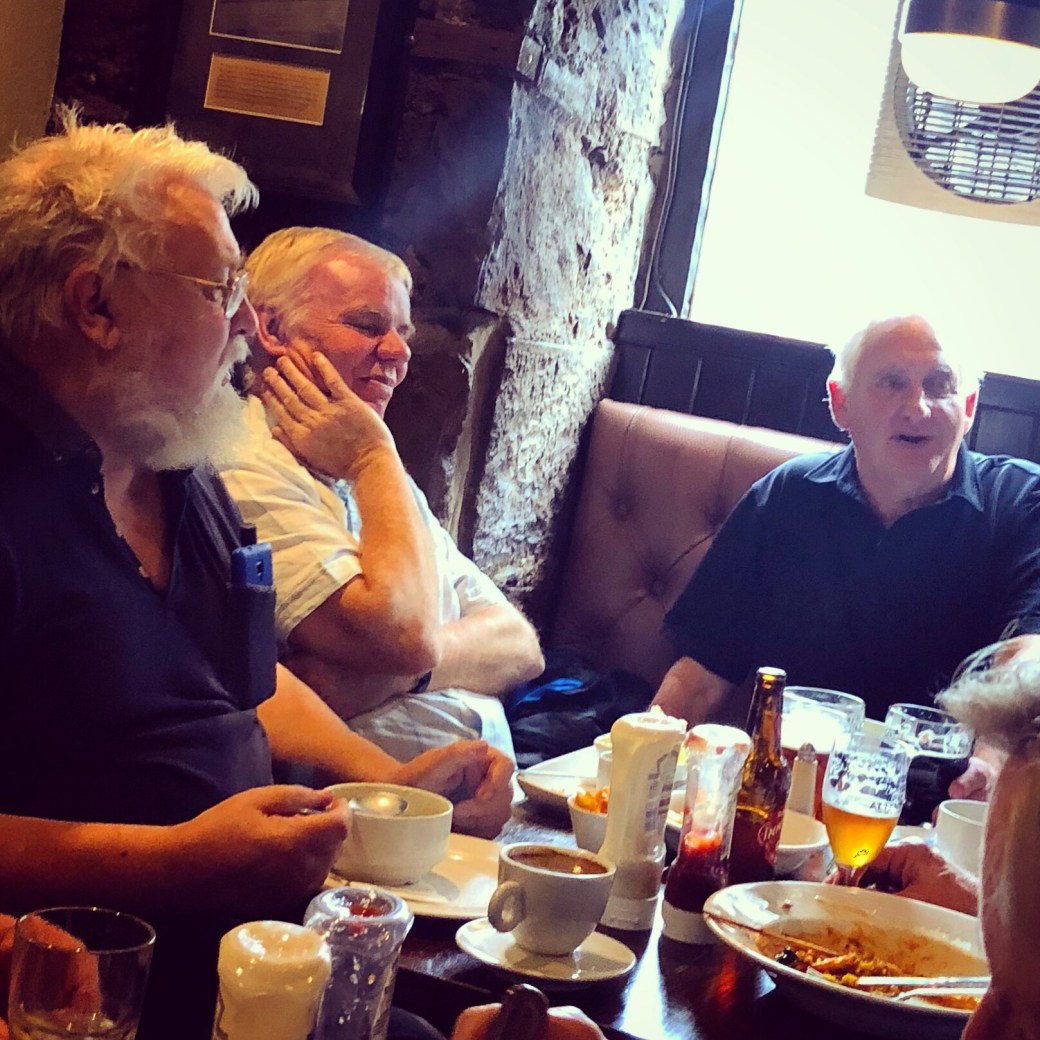
Five Scots sat around what was likely their usual table in the window, telling tales and discussing the vicissitudes of life in a way that American men never do. I could have listened to them forever, but instead snuck a photo.

I next visited Holyrood Palace, the official royal residence in Edinburgh. The Queen stays here one week every summer on her way to Balmoral in the Highlands. The decor is as stodgy and dingy as you might imagine with fading rugs, fraying tapestries and dark paintings in dire need of restoration depicting bare-breasted women in some sort of biblical peril. The tour takes you through the Queen’s actual bedroom, which felt weirdly voyeuristic. The room is uncomfortably and sparsely furnished with thin-looking embroidered bed linens that look like they’ve been around for centuries. This is her “state bedroom” so hopefully she doesn’t sleep here. Maybe her actual bed has a memory foam mattress with puffy linens, a down comforter and soft pillows from Pottery Barn.
The main reason I visited the Palace was to see the royal apartments of Mary Queen of Scots. You could see the influence of Mary’s French upbringing in the decor and general good taste of the rooms. Seeing her bed was also weird, but for a different reason. It’s so small. I wonder how she managed it with her six foot frame. Off her bedroom is a cozy, charming room with a teensy fireplace that served as her supper chamber, which I didn’t realize I needed until now. And, famously, where her private secretary and maybe Italian lover David Rizzio was brutally murdered by a jealous Henry Lord Darnley, Mary’s second husband, and his Protestant Lord cronies. And when I say murdered I mean stabbed 56 times right in front of her. And she was pregnant with James VI at the time, who some say was fathered by Rizzio. Apparently you can still see bloodstains on the floor which is entirely silly, but still I did look.
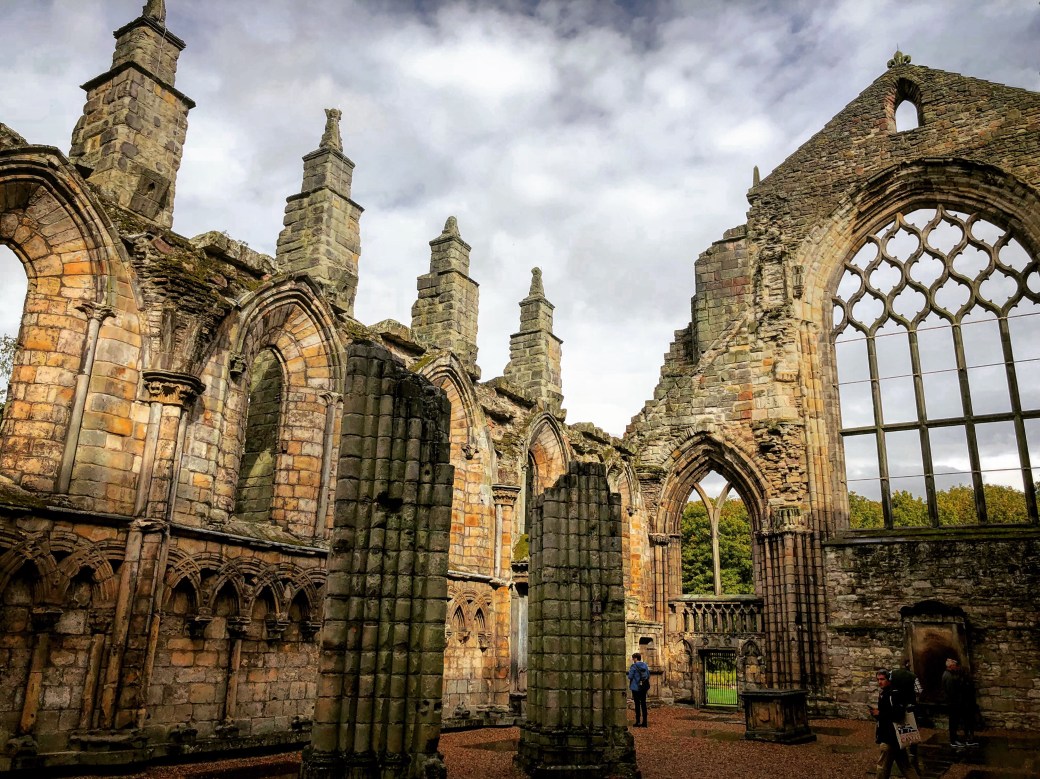
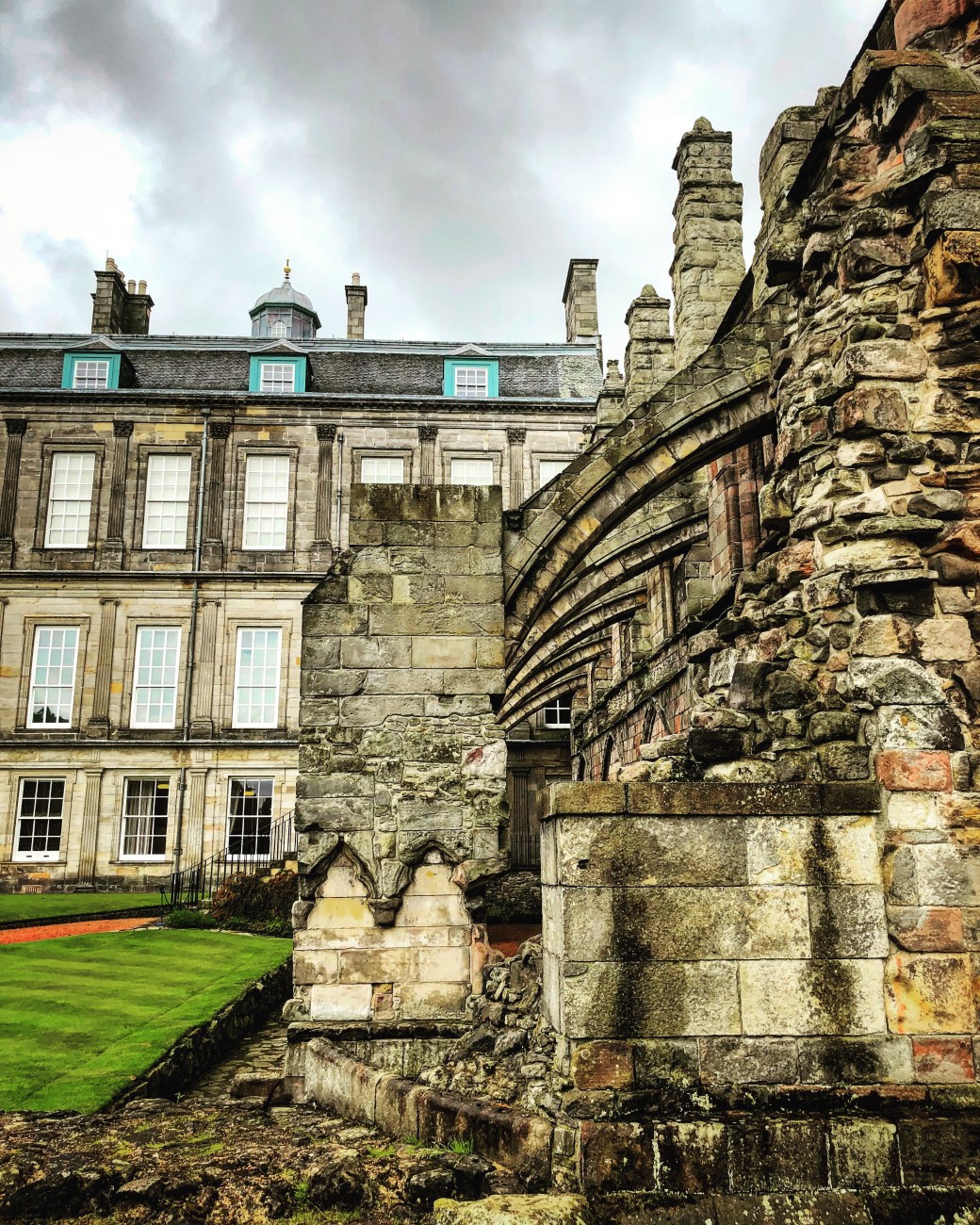
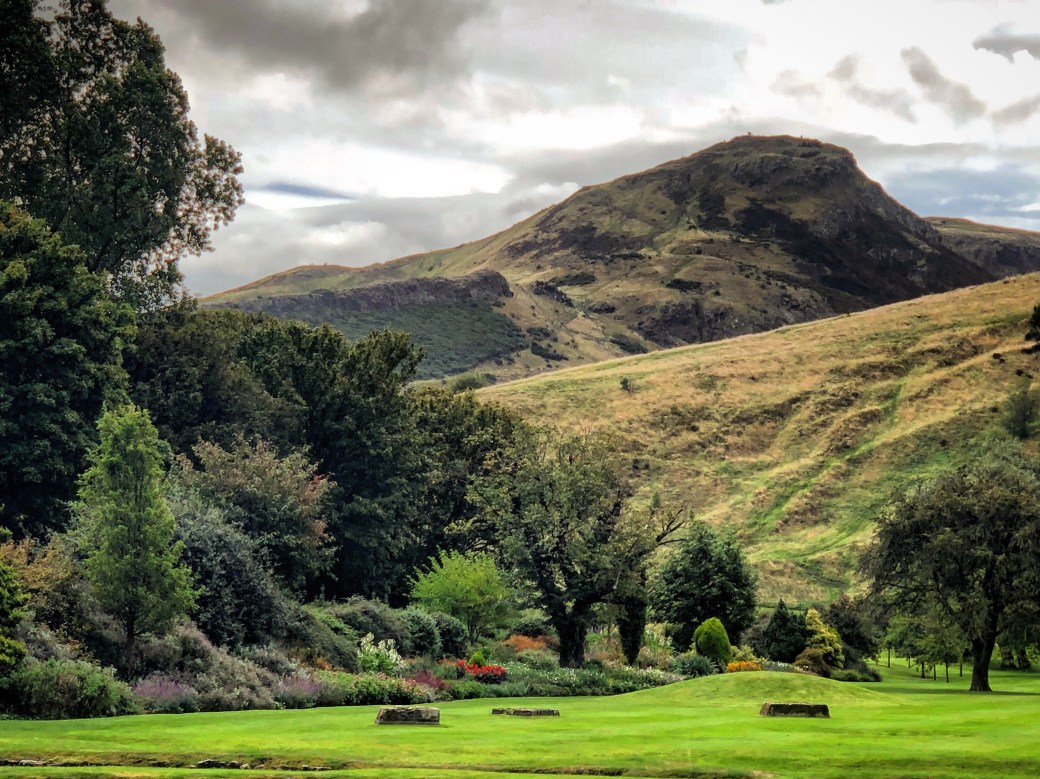
Mary’s bedroom opens into a formal great room where she received visitors. A few relics are displayed in glass cases, some books, her rosary, a letter she wrote and so on, but most notably a substantial lock of her hair which at some point was presented as a gift to Queen Victoria. I could not wrap my brain around the fact that I was looking at some of her actual hair. I then wandered around the gardens even though my ticket didn’t cover that (sorry), and it was stunning. Next to the palace is a ruined Abbey (destroyed by the Brits during Mary’s reign) which made for some lovely photos. Arthur’s Seat, the hill I climbed when I first arrived, looms over the Palace, providing a splendid royal view.
There are no photos inside the palace because more royal rules.

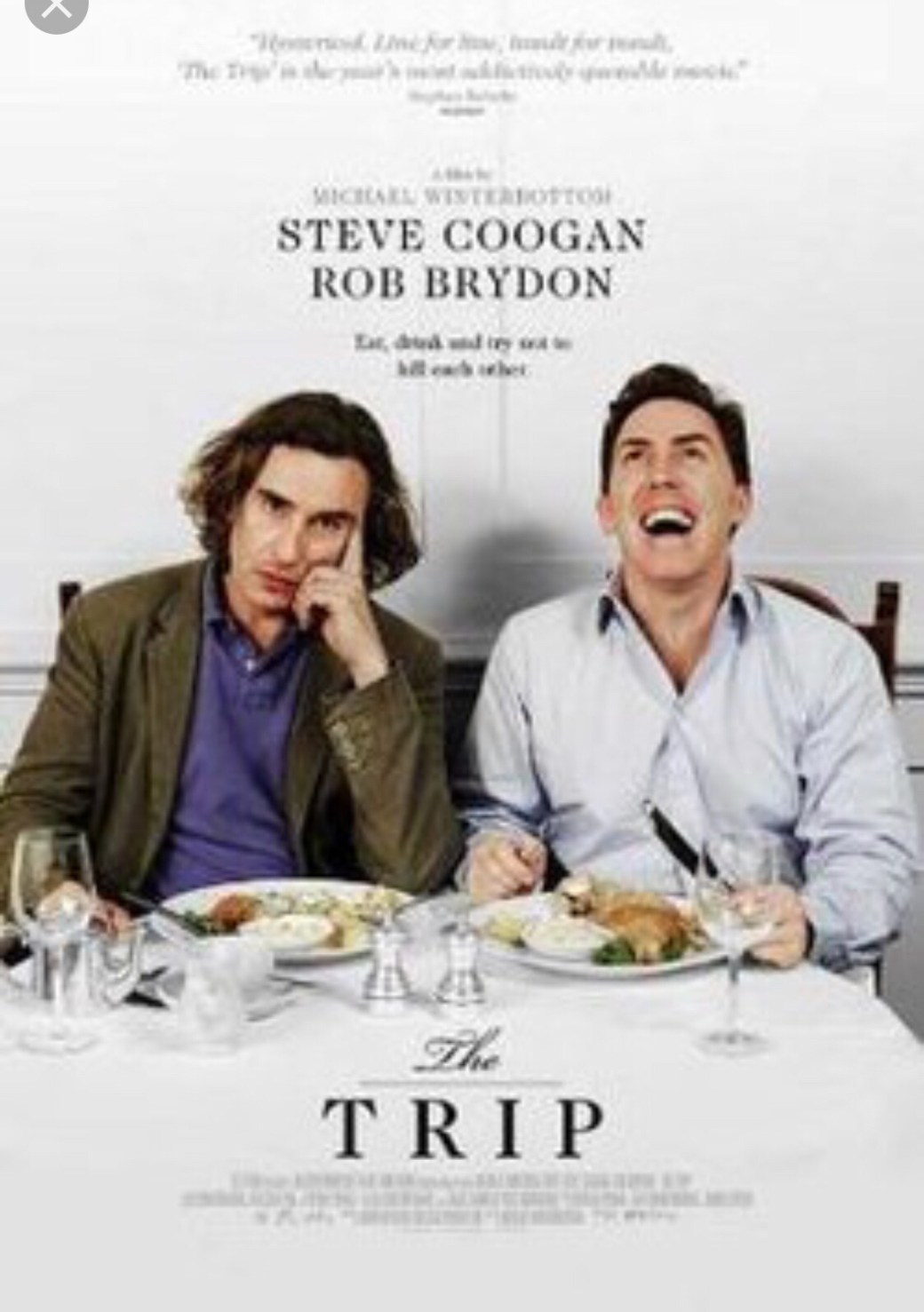
I returned to the hotel, hung up my clothes to dry and went out to dinner and a show. Rob Brydon was performing at the Edinburgh Festival Theatre. When you are a single, you can usually snag a fabulous ticket late in the game in the front section. The Trip is one of my favorite films, and it stars Brydon and Steve Coogan. Two awkward British men traveling through northern England eating at gourmet restaurants. Their main schtick was doing competing Michael Caine impressions, which sounds tedious, but is hilarious.
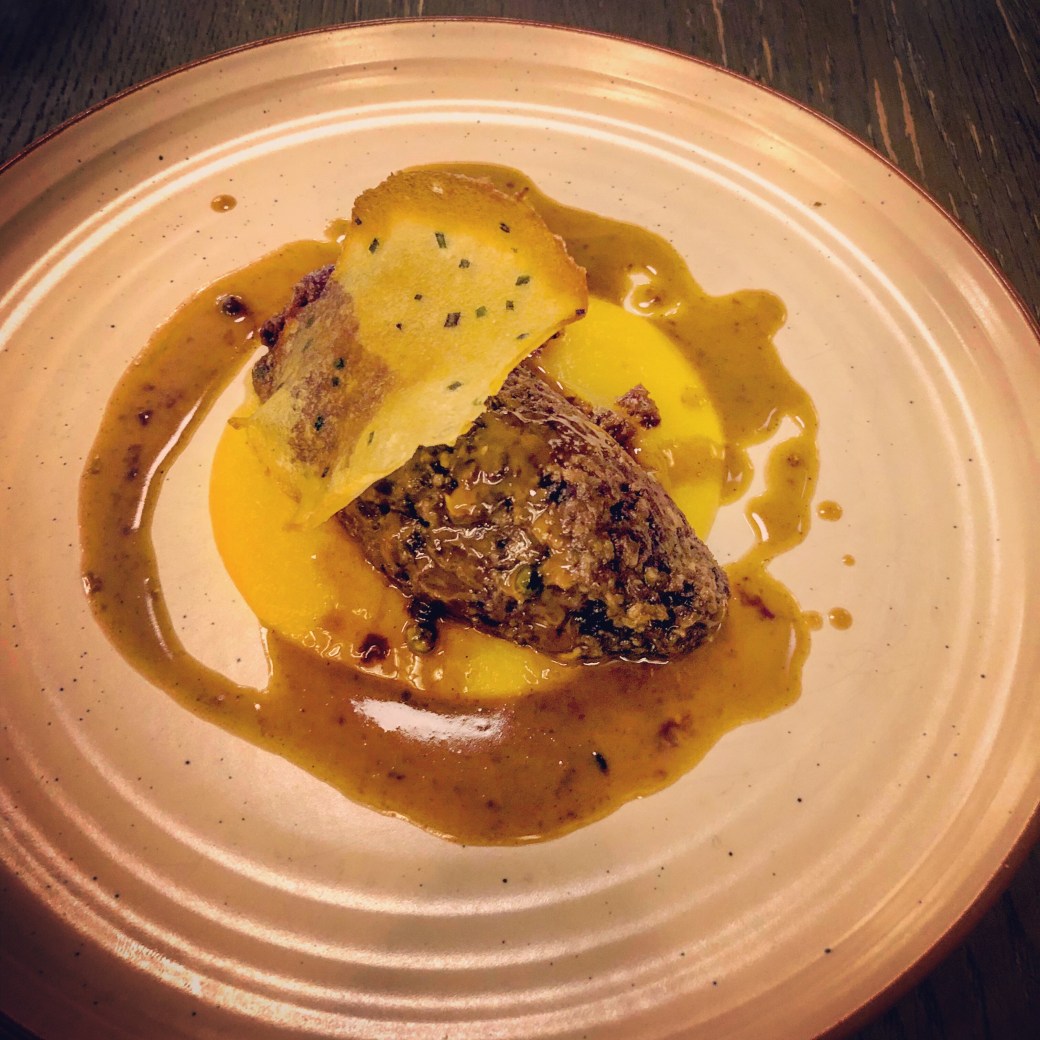
I had dinner at the Printing Press, a posh restaurant in New Town. And there it was, on the menu, as a starter. Haggis and neeps. I figured this was my chance to cross the culinary Scottish Rubicon. An appy-sized, gourmet restaurant version of the famously awful dish. Here’s the deal, though – it was fabulous. I chased it with one of the best risottos and best chocolate desserts I’ve ever had. So serious. My server was a Canadian who had finished college and decided to move to Scotland, as it’s relatively easy to get a work visa in another Commonwealth Country. I was proud of her choice and wish I had done something similar. She loves Edinburgh.
Rob Brydon was way more hilarious than I was expecting. The top of his act was him talking to members of the audience about various things and he’s brilliant at it. His act includes loads of impressions (some were singularly British, sailing right over my head) with many astutely hilarious observations about aging and what it does to your pee stream strength and farting frequency. I was laughing to tears as were most people in the 2,000 seat house. Great fun for my last night in the big city before heading to the Highlands.
 Wee Dram of Scotland
So I have to tell you, I sat down a few minutes before work to give this a quick read, and was so fascinated I am now 15 minutes late! Thanks for sharing all of this. Too bad you can’t “share” some of those jewels!
LikeLiked by 1 person