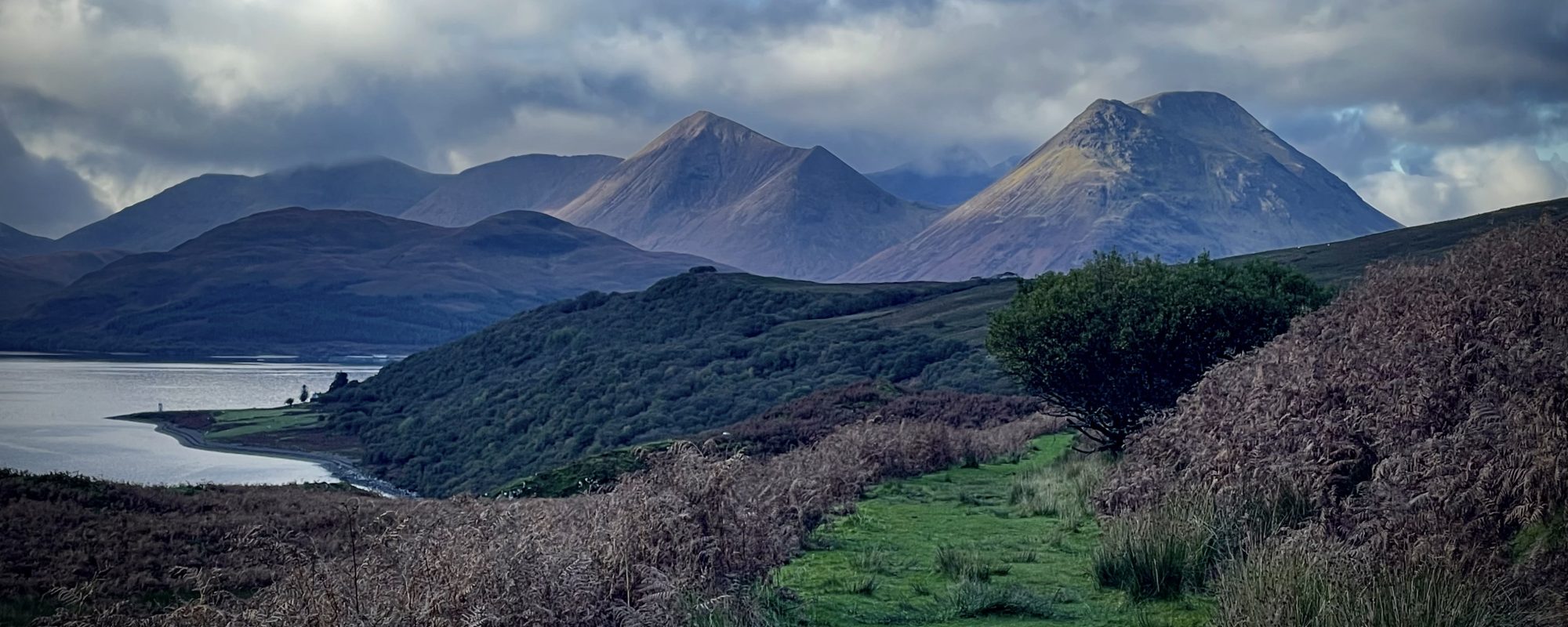
Yes gentle reader, we find ourselves back in the United Kingdom. Wasn’t I just here? Totally. When asked why I keep going back, I take out my phone and read aloud this quote: “The object of travel is not to set foot in a foreign land, but at last to set foot in your own country as a foreign land. In the end, it’s all about going home.” I can’t explain it, but Scotland feels like home to such an extent that I feel as though I’m making a concession to the Universe by spending a week in England before heading north. It is dùthchas, a Gaelic word I learned during my last trip (Thanks Andrew!). While there is no direct English translation, it means a physical and emotional connection to the ground of one’s ancestors. I personally think it can be physical and spiritual ancestors. Can’t really explain it but I feel it well enough.
For those of you who love travel, I am confident you know exactly what I mean.
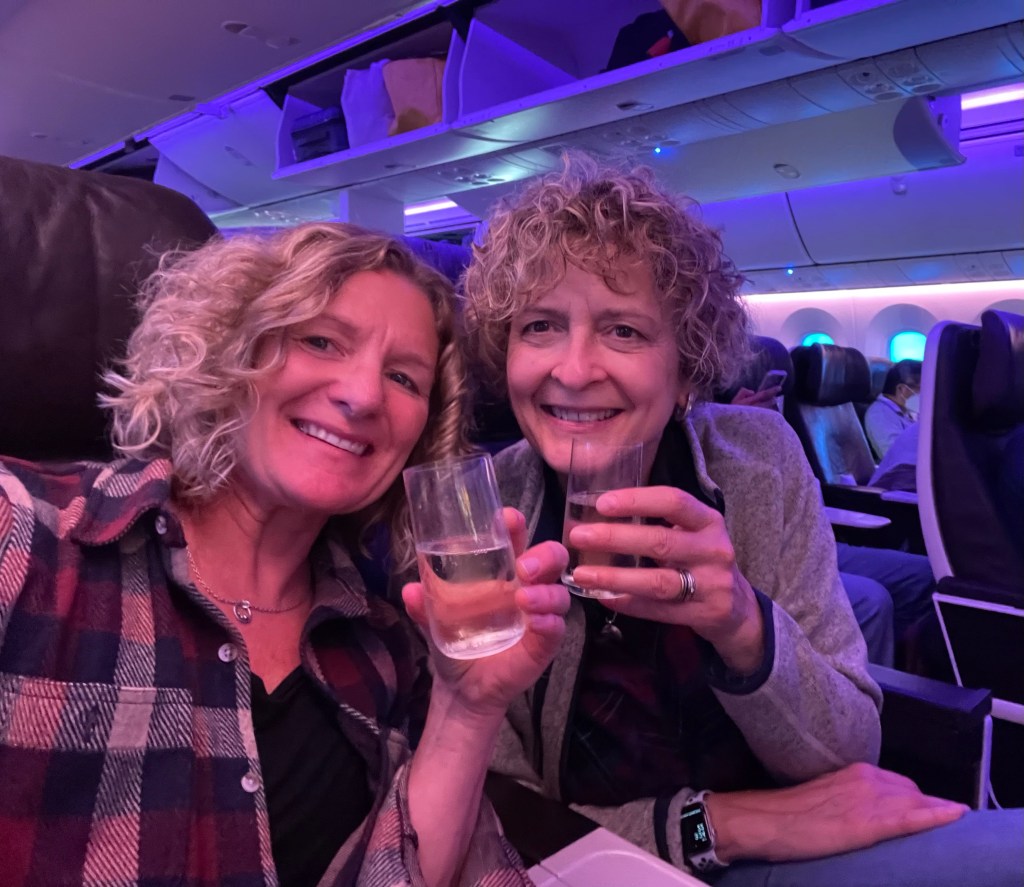
This trip is with my dear pal Trish, who agreed wholeheartedly to come with, leaving her sweet husband, awesome kid and goofy love bug springer spaniel for three weeks to fend for themselves.
We started our journey on a Virgin Atlantic flight that was lit up like a nightclub as we boarded. An auspicious and highly appropriate launch. We are spending three days in London before heading to the Lake District for a week-long hiking trip arranged by InnTravel.
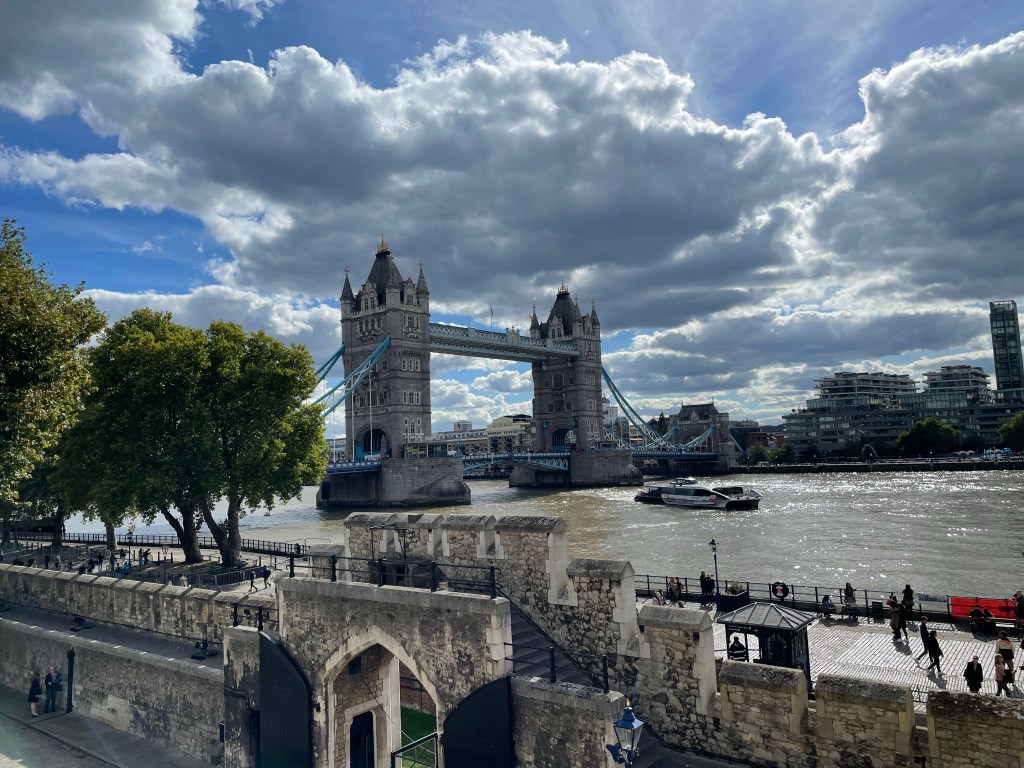
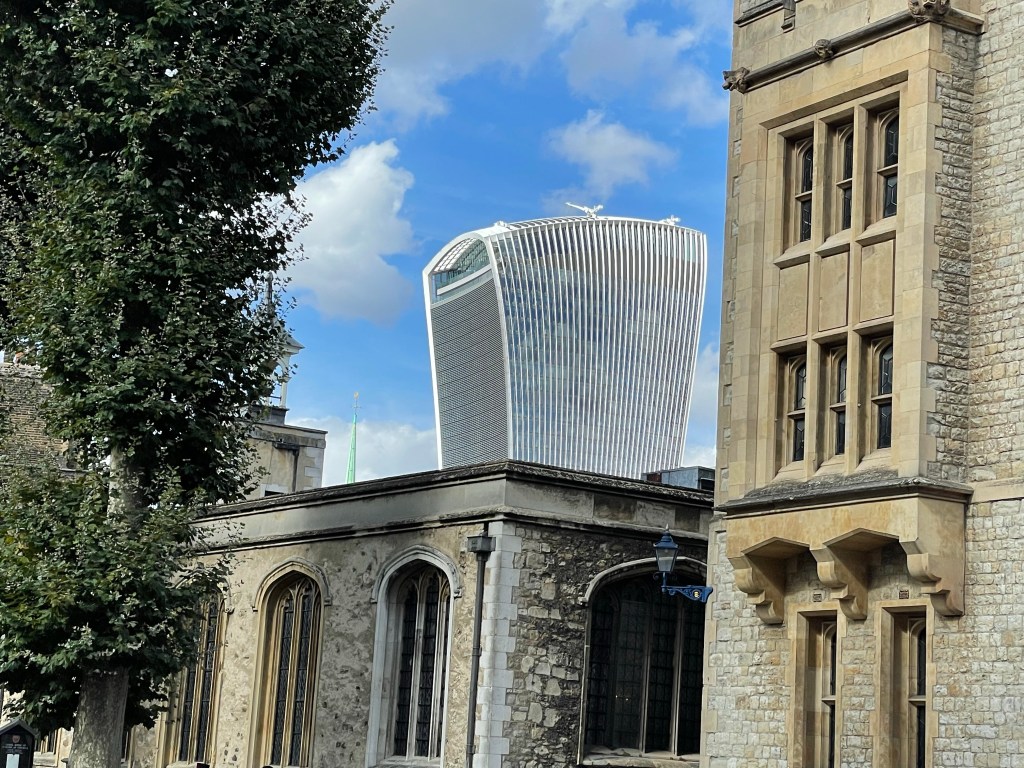
London is a ginormous city, with a population of 9 million. Its most recent iteration started life as a one square mile bit on the Thames. It was founded by the very busy Romans about 2,000 years ago and they promptly built a wall around it which later became A Roman Wall. Next came the Saxons, then the Vikings, then the Saxons again, thanks to Alfred the Great. Then more Vikings and Saxons and finally Edward the Confessor, mostly known for being pious, snagged it back. He died without an heir, which set the stage for William the Conqueror to swoop in and take London and the country in the Battle of Hastings in 1066, thus giving all of us that one date we have memorized in British history. The Normans were basically French Vikings, which is sort of a hilarious full-circle deal.
Next followed centuries of kings, queens, one and a half Lord Protectors, war, famine, plague, drawing and quarterings, beheadings, wars with France and Scotland, enduring religious arguments which often resulted in a bloody Crusade, in short, so much drama. Also incredible art, culture, music, scientific advancement and freaking Shakespeare, just to barely skim the surface. The city manages to reflect every bit of this in the most spectacular way, creating at times such jarring juxtapositions that one wonders whether humanity is in fact regressing.
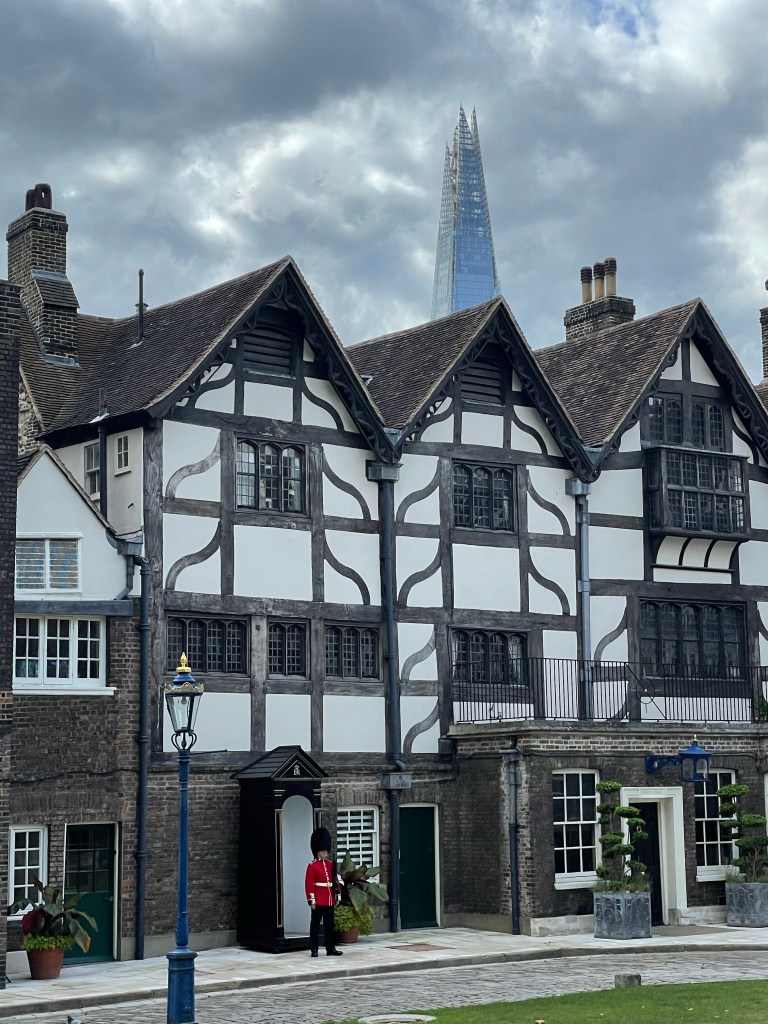
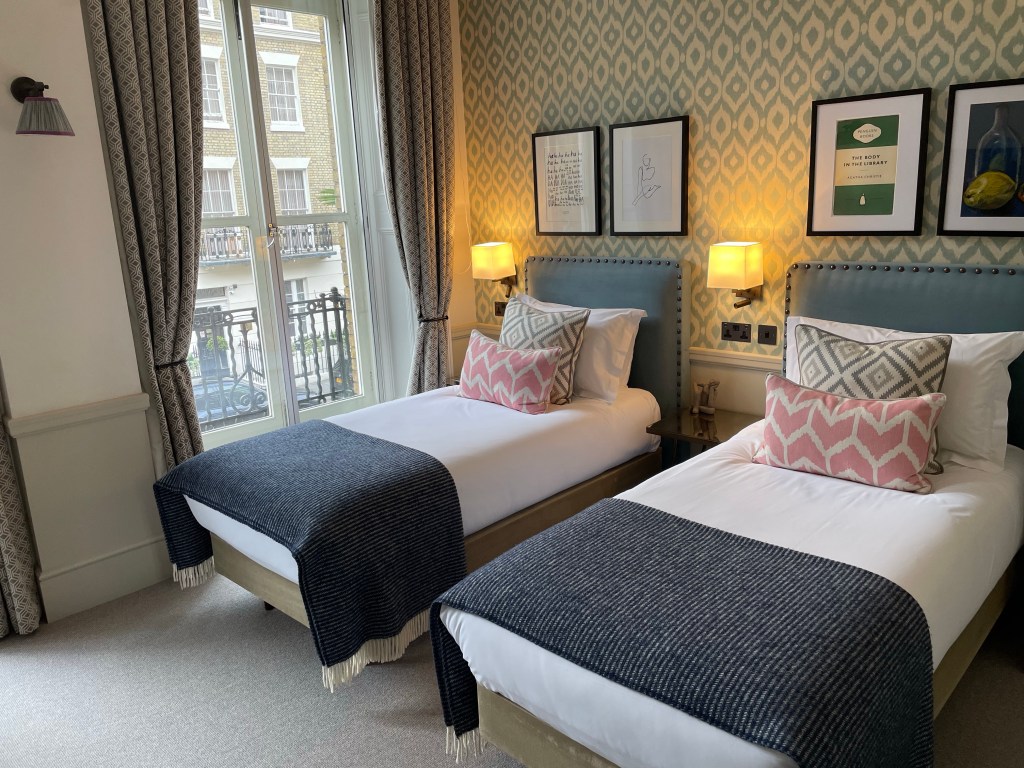
We stayed at the Lime Tree Hotel in Belgravia, which I would highly recommend. One of those places where the rooms actually look like the photos on the internet.
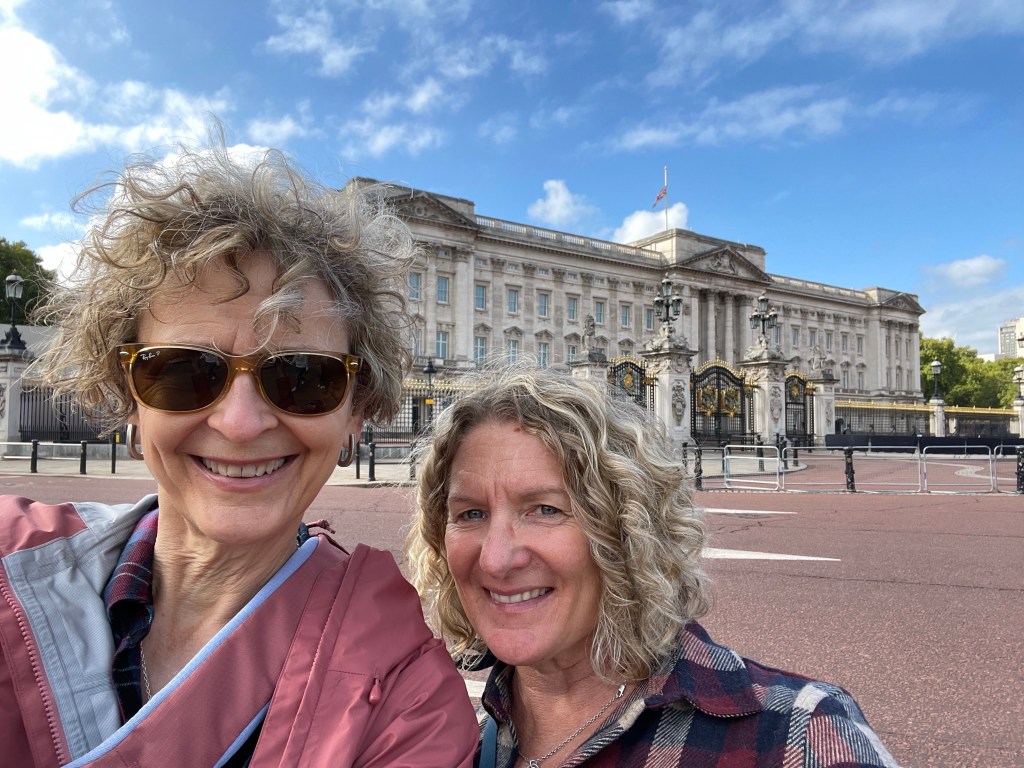
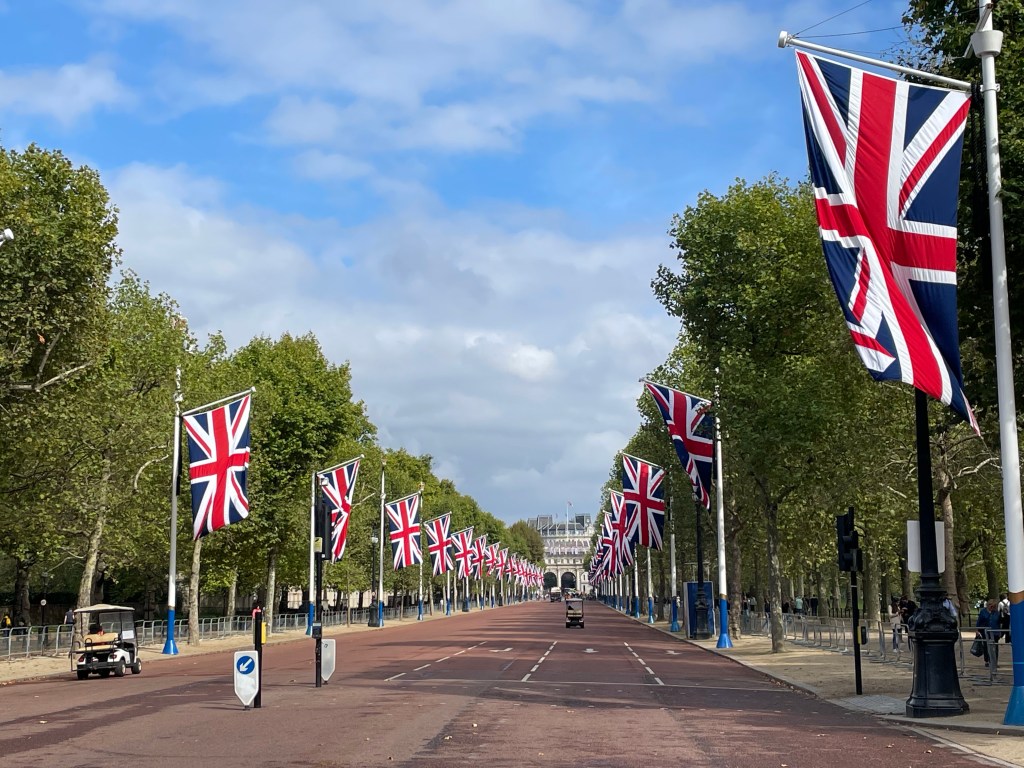
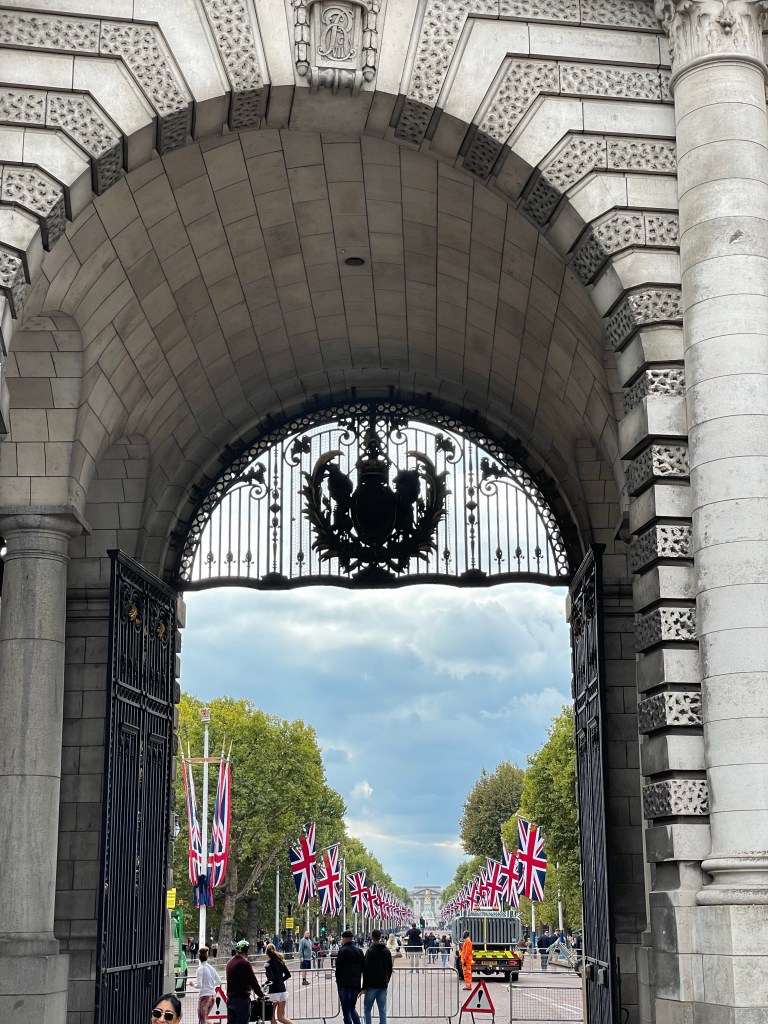
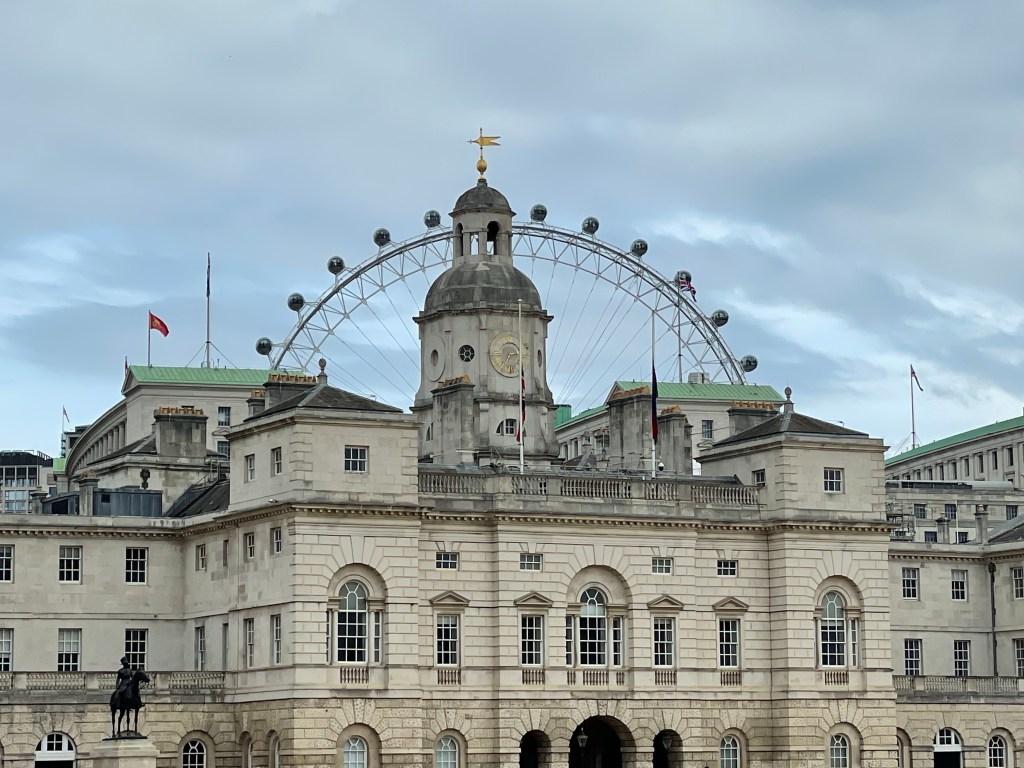
My jet lag rule is to hit the ground running until bedtime no matter what. This is completely doable with three things: outdoor exercise, absolutely no napping and whisky. When you wake up the next morning, jet lag is behind you. So, we walked to Buckingham Palace, St James Place, Piccadilly Circus, Trafalgar Square, Soho and Chinatown. The country was still in an official state of mourning after the Queen’s death, and so roads were closed around Buckingham Palace, barricades along the Queen’s processional route were still in place and many in the crowd were paying their respects.
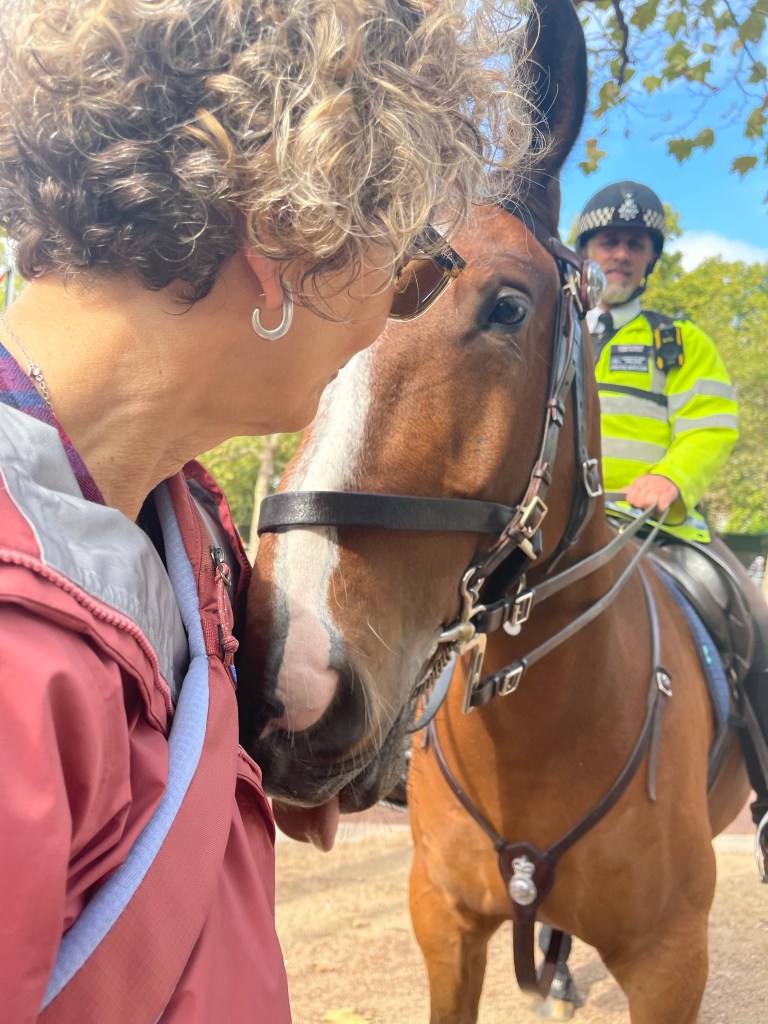
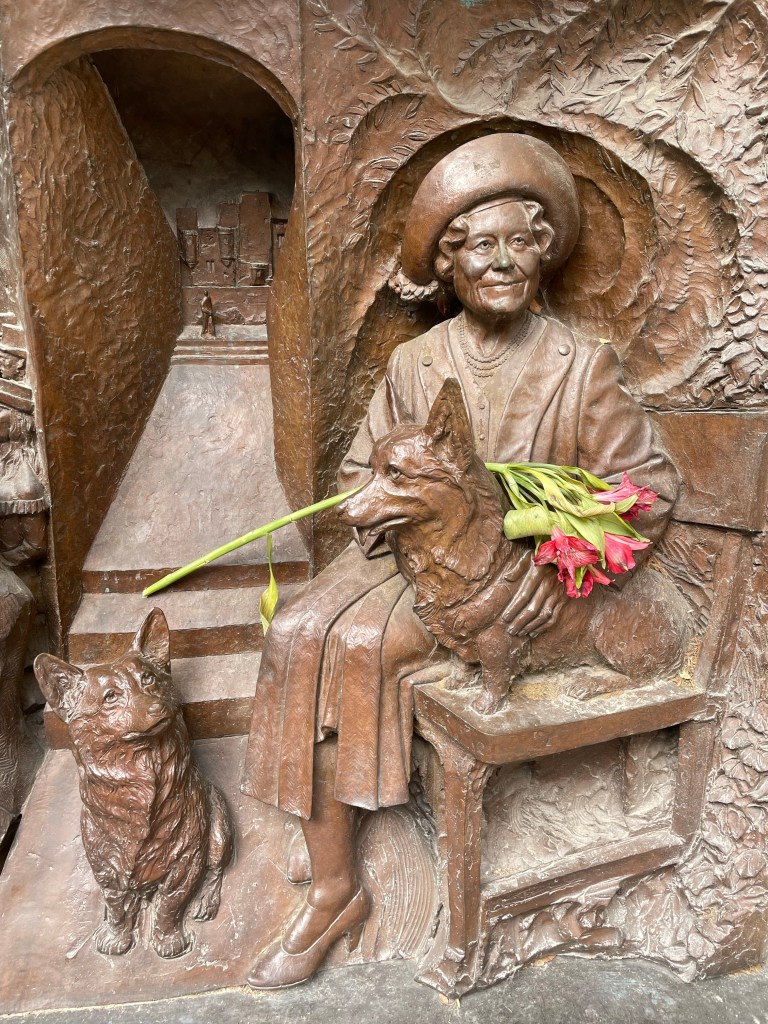
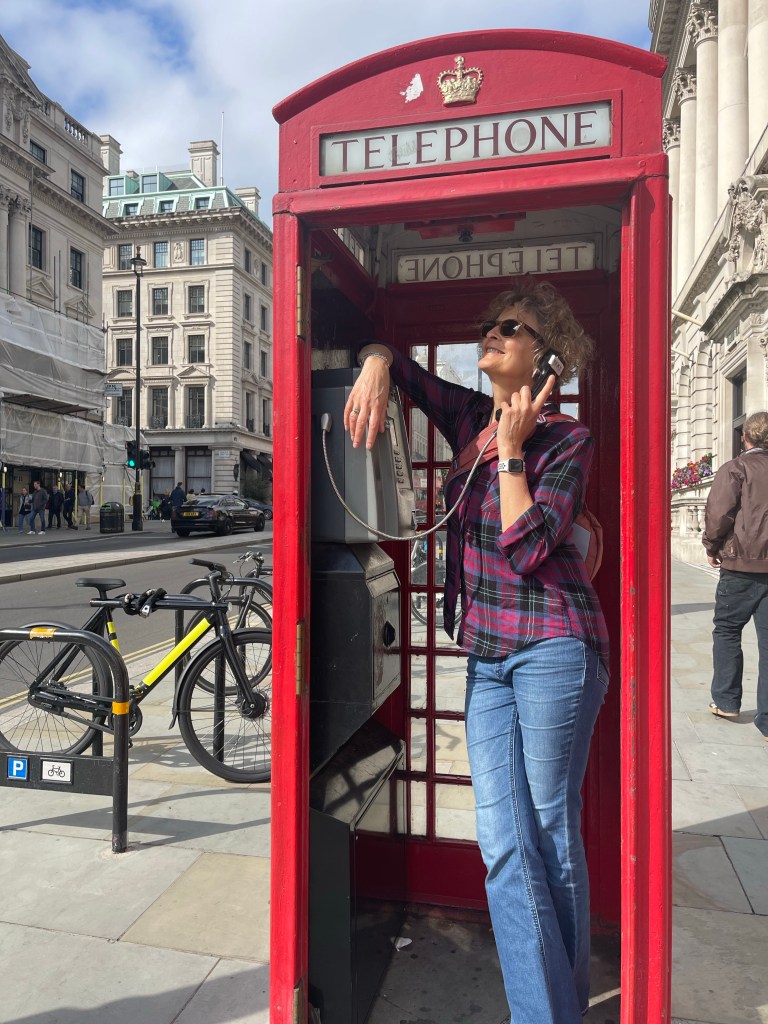
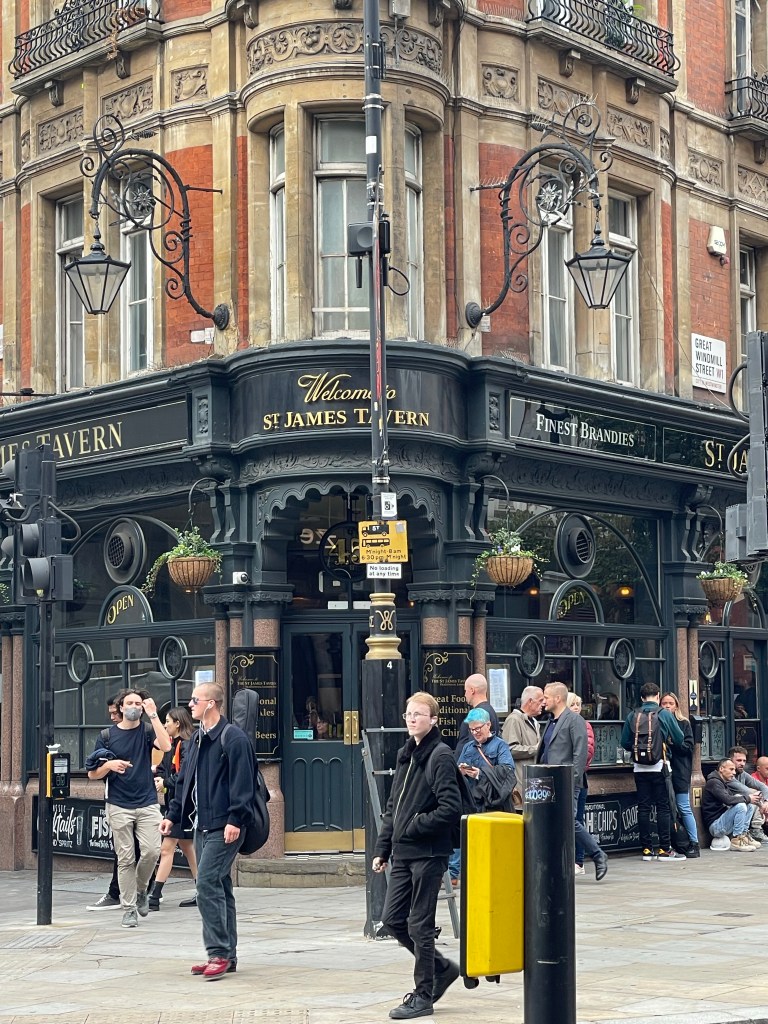

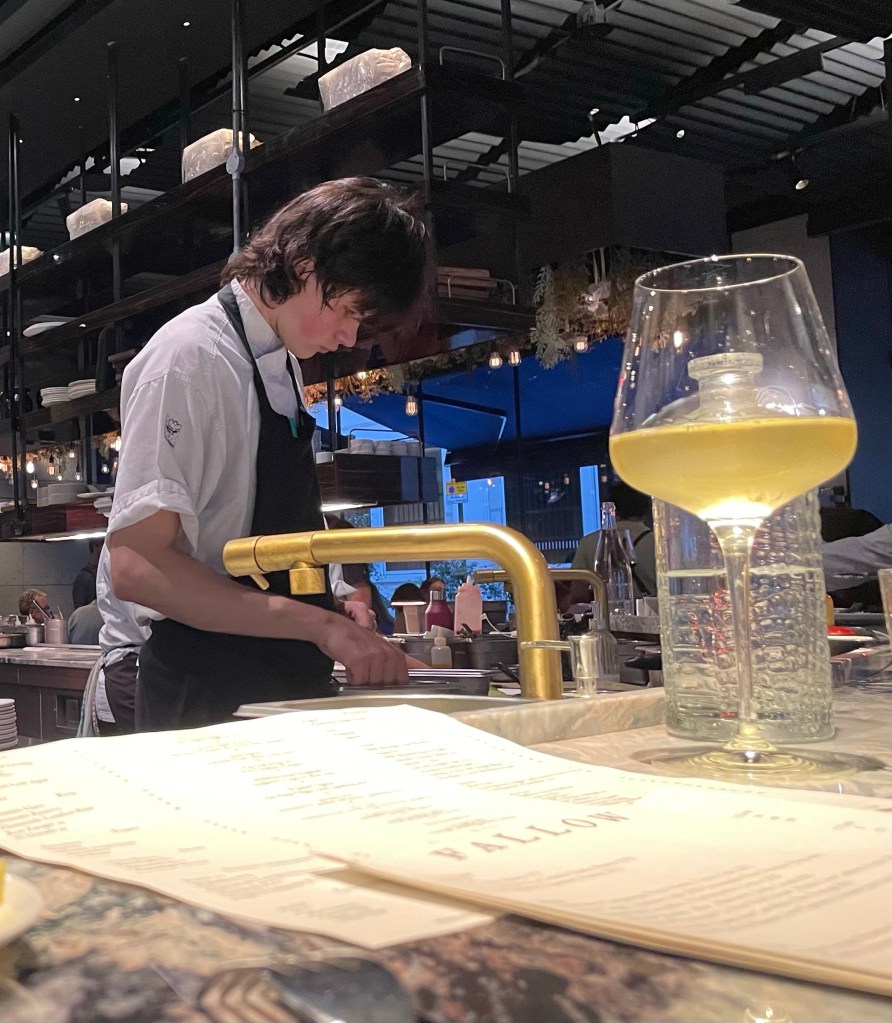
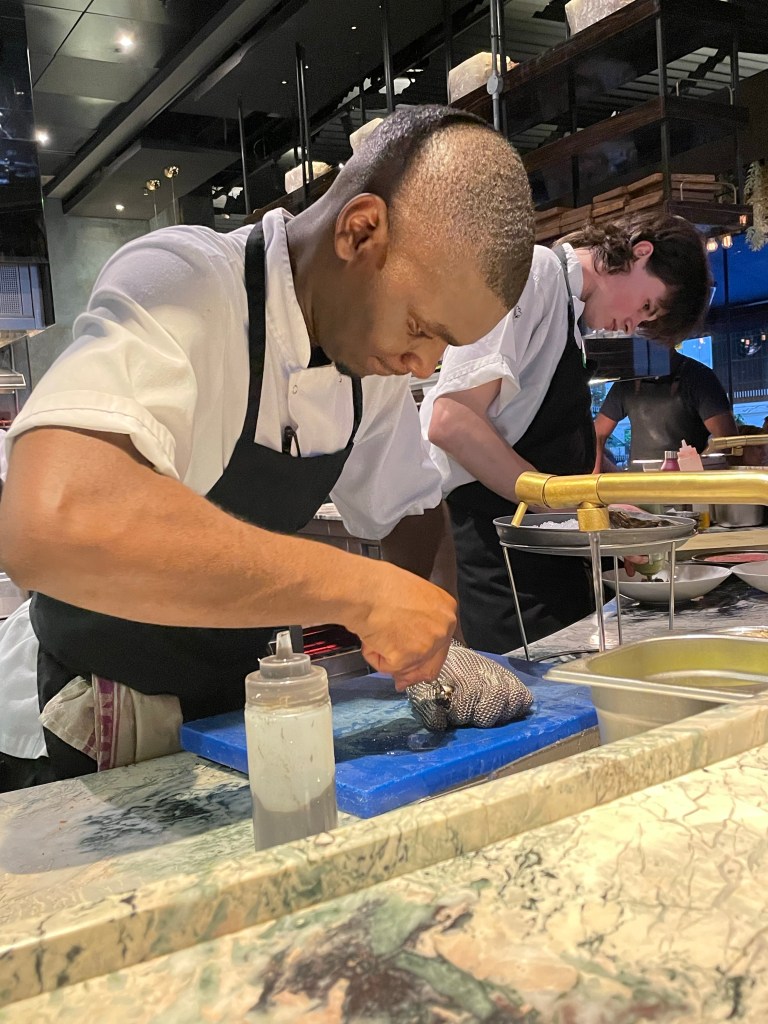
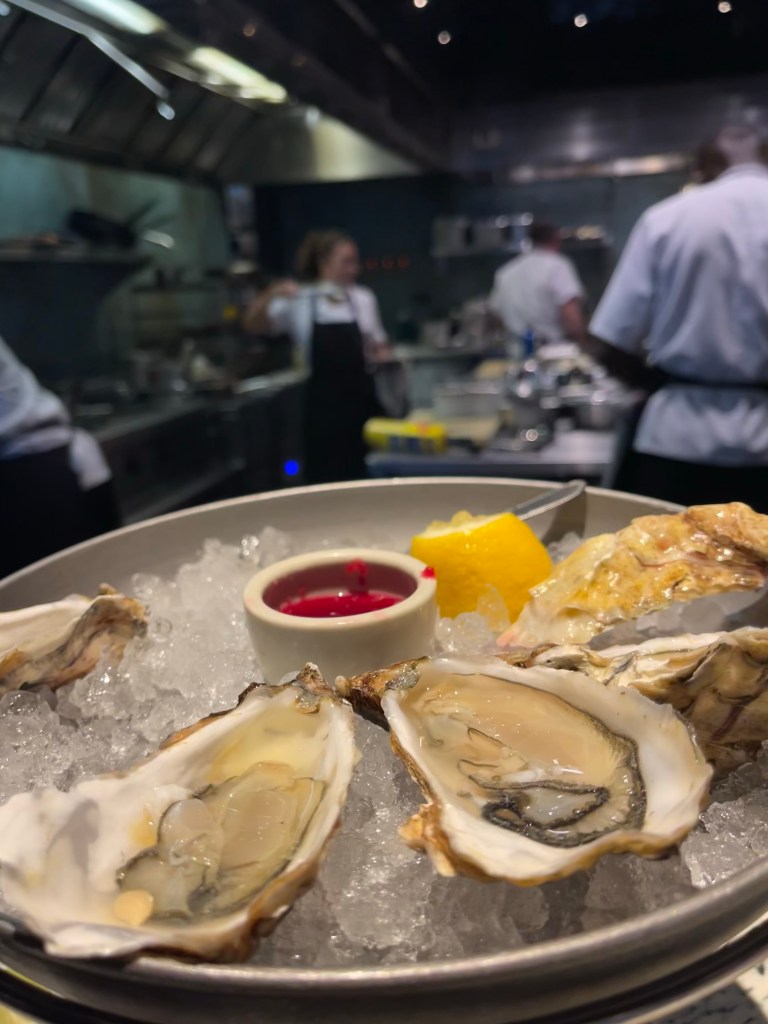
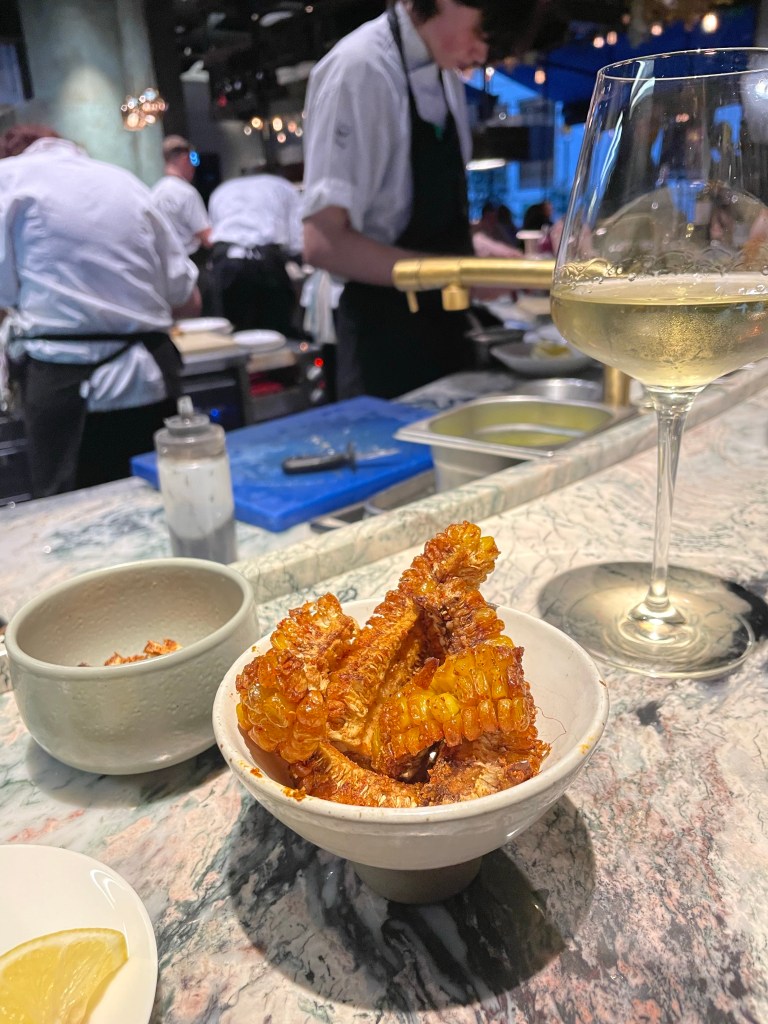
We ended the day at the chef’s counter at Fallow, which was fabulous. So fun watching a kitchen at work – I’m convinced that the cooks are all telepathically connected somehow, it’s the only explanation for their perfectly choreographed and mostly silent theatre of delicious meal preparation.
As it was getting late in the day, there was some jet lag comedy afoot. I’m fairly certain that a few extremely dumb questions were asked and inappropriate comments uttered about the hotness of the owner/chef. They also used the same glassware for water and whisky which was far too difficult a situation for a jet-lagged person to keep track of. For example, there was that time I took a giant gulp of whisky to quell a cough. I literally couldn’t process what to do with an immense amount of spirit firing the inside of my mouth, as swallowing would have burned a hole through my esophagus. So I ever so subtly dribbled it back into my glass, Rowan Atkinson style, with Trish looking on concernedly asking, “Oh no you don’t like it?” Later during the meal Trish refreshed my whisky with sparkling water. I tried to gamely drink it but alas that was a hard no. Luckily the fine folks at Fallow will never see us again.
Our next day I like to call “Maximum Input Day,” as we visited Westminster Abbey and Churchill’s War Rooms, interspersed with pubs and ending with a visit to the Tate Modern to see Yayoi Kusama’s infinity mirror rooms, followed by dinner with spectacular views over to St. Paul’s.
When we arrived at the Abbey I was disappointed to learn that there wasn’t a super special queue for those folks who bought tickets in advance on this thing called the internet in order to avoid the massive queue. Sadly everyone else had also done this and so we joined the queue of all the other special forward-thinking planners. We chatted with a lovely London couple whose daughter had moved to Colorado.
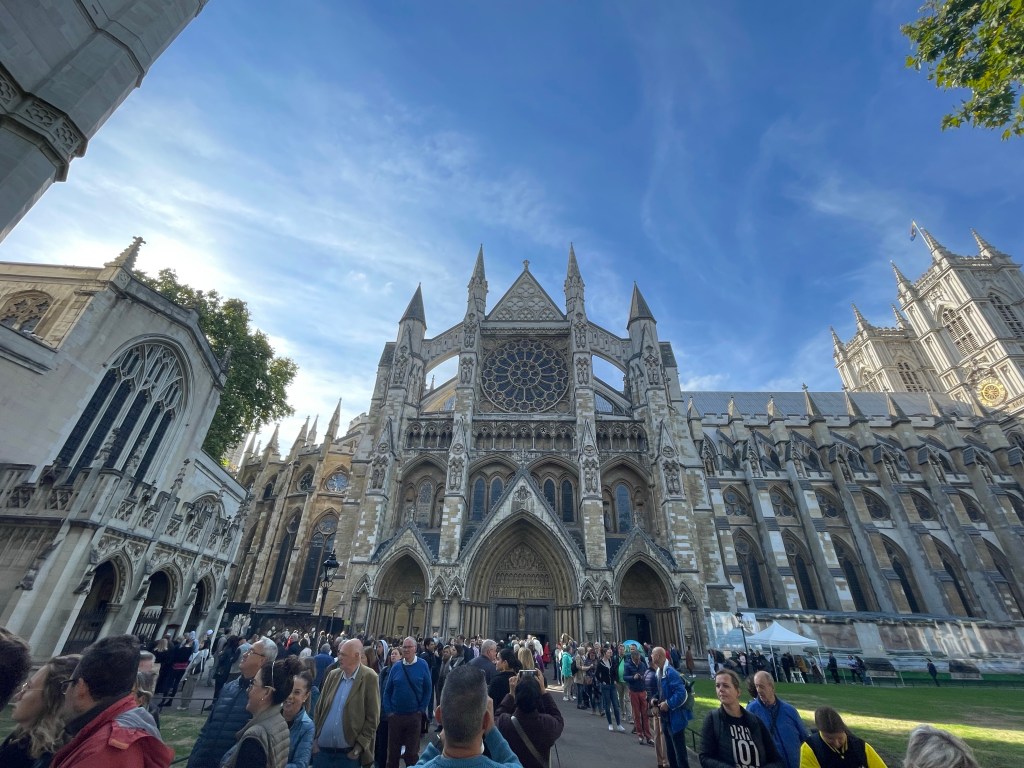
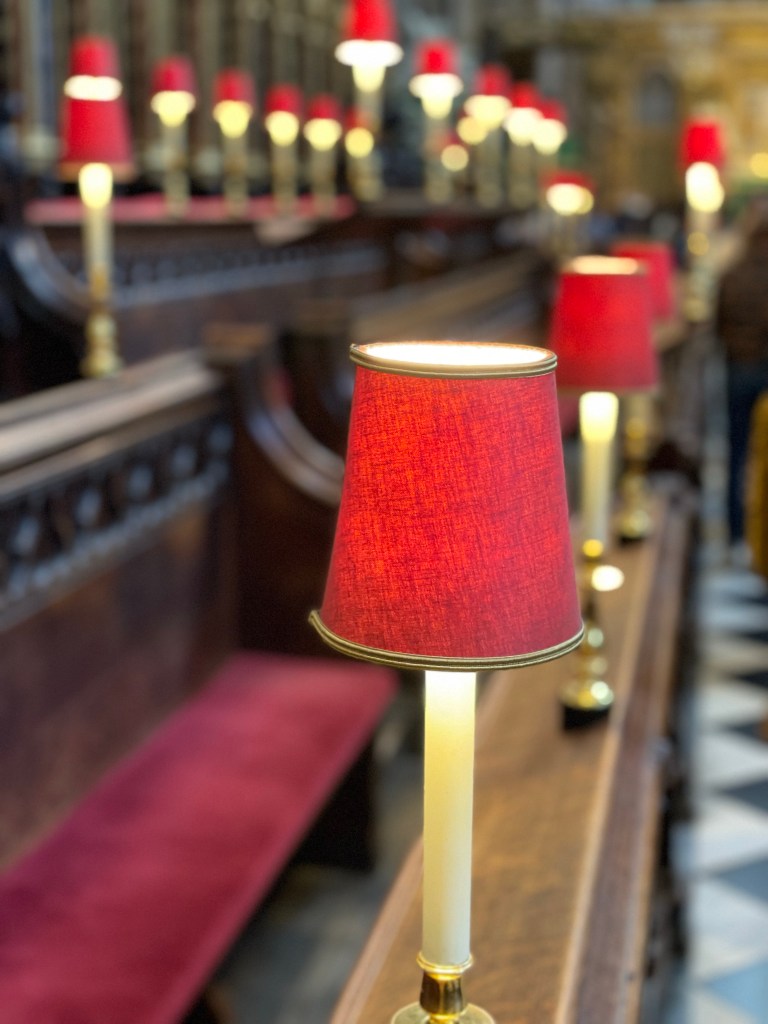
Westminster Abbey is stunning, and residual juju floated around the place following recent events. It has been the setting for every coronation since 1066 (starting with William the Conqueror) as well as sixteen royal weddings. Absolutely everyone is buried there – and by absolutely everyone I mean 3,000 people, including fully half of the British monarchs together with writers (Rudyard Kipling, Charles Dickens), scientists (Charles Darwin, Sir Isaac Newton and Stephen Hawking), musicians and actors (Handel and Lawrence Olivier) politicians and other famous historical figures.
Incredibly, 30 of Britains kings and queens are buried in the Abbey – the first was King Edward in that famous year of 1066, later known as St. Edward the Confessor. This is entirely appropriate since he established the place, after all, and also he was very pious.
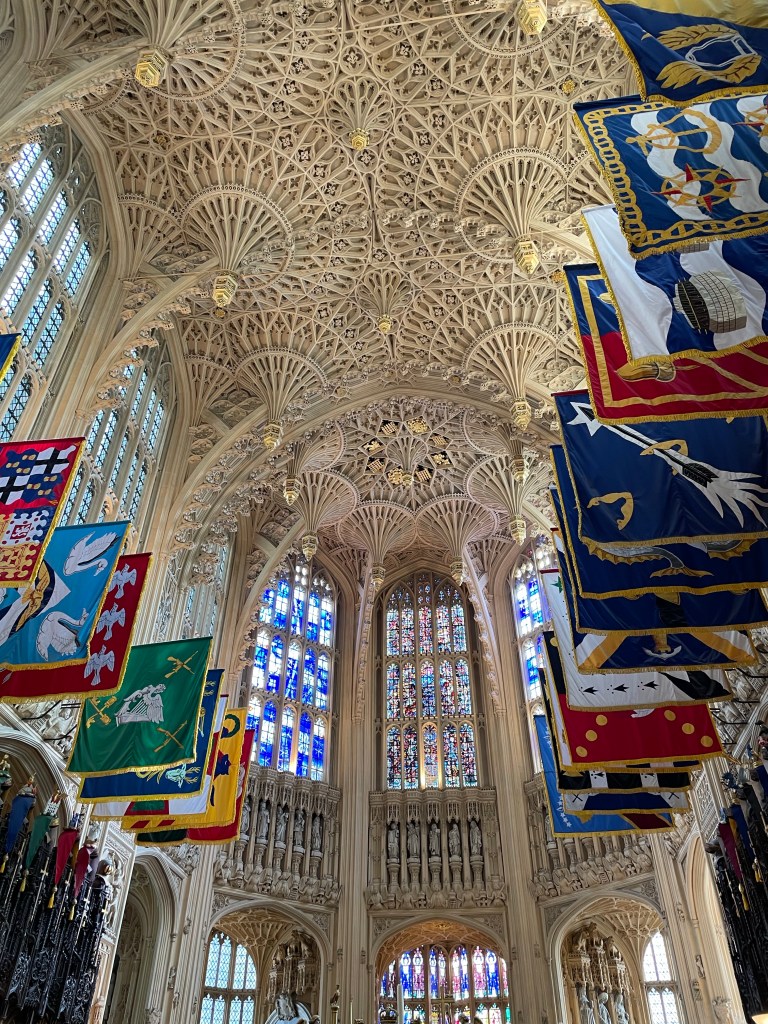
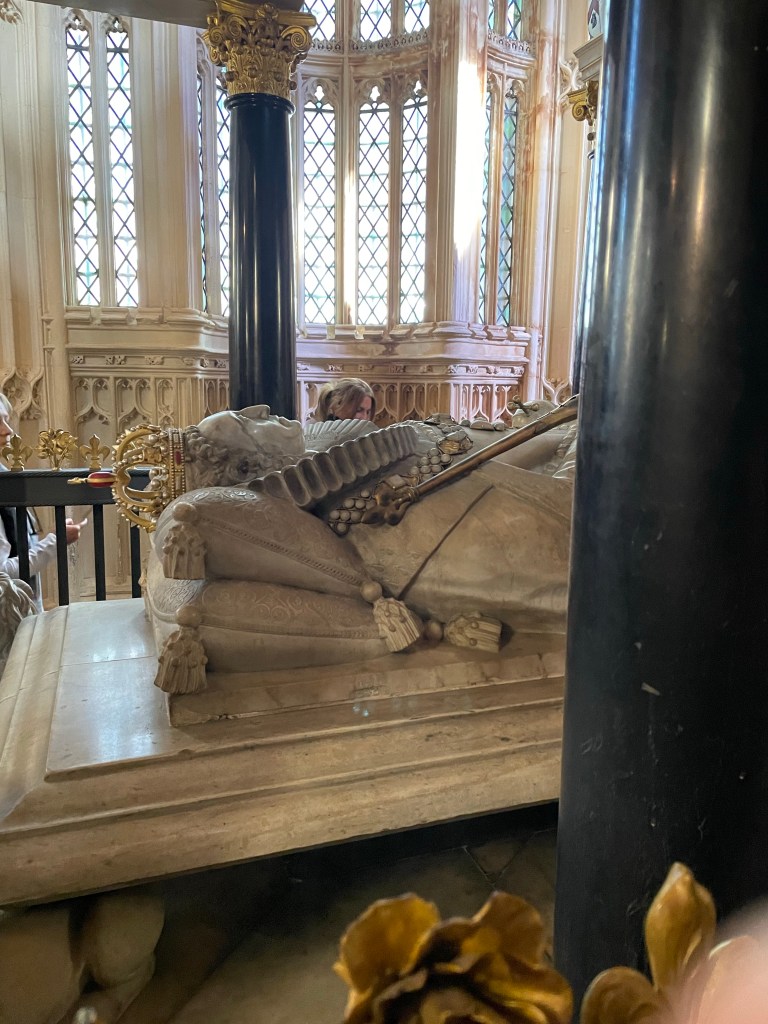
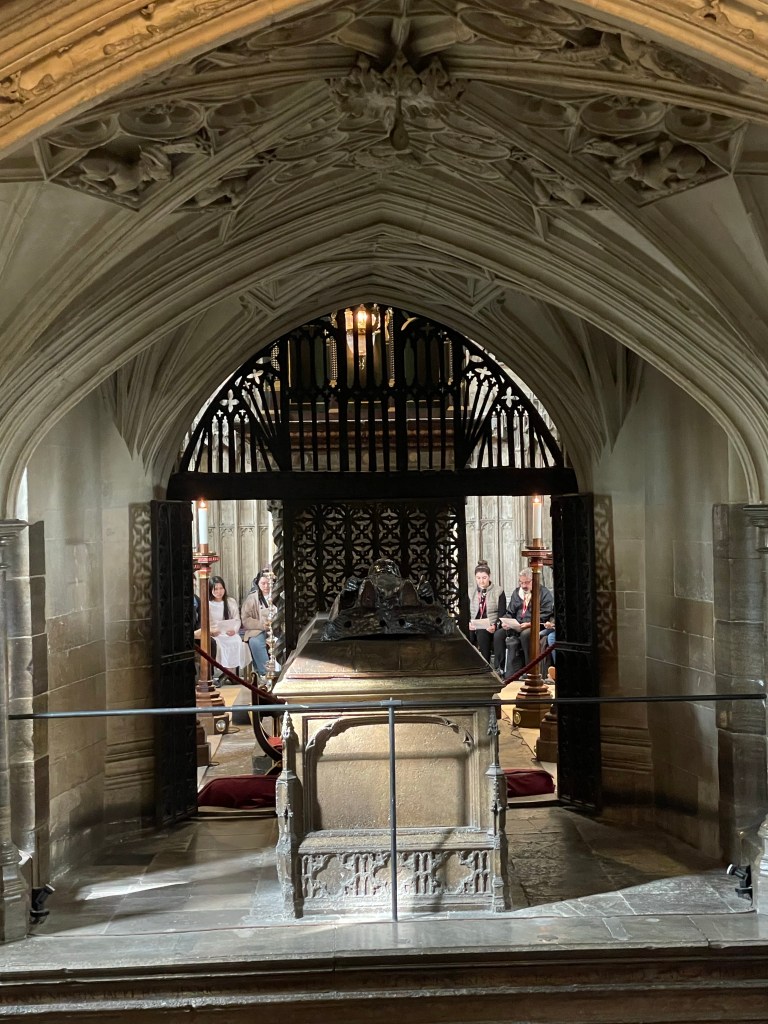
A highlight was the spectacular Lady Chapel, built by Henry VII. We paid our respects to Queen Elizabeth I, Anne Boleyn and Henry VIII’s daughter. Elizabeth is buried with her sister, Queen Mary, daughter of Catherine of Aragon and of “Bloody Mary” fame. Interestingly, Mary does not have her own tomb or effigy, rather her existence is marked by an understated plaque affixed to Elizabeth’s tomb. Directly across the Chapel lies Mary Queen of Scots. Fifteen kings and queens are buried together in this part of Westminster. We also gave a wave to Henry V’s elevated tomb as we passed – we could have gotten closer but Henry is in a very fragile chapel where you have to agree to pray to be allowed in. There was a very strict lady assessing people as they climbed up and I see why wayward souls throughout history have been intimidated by nuns.

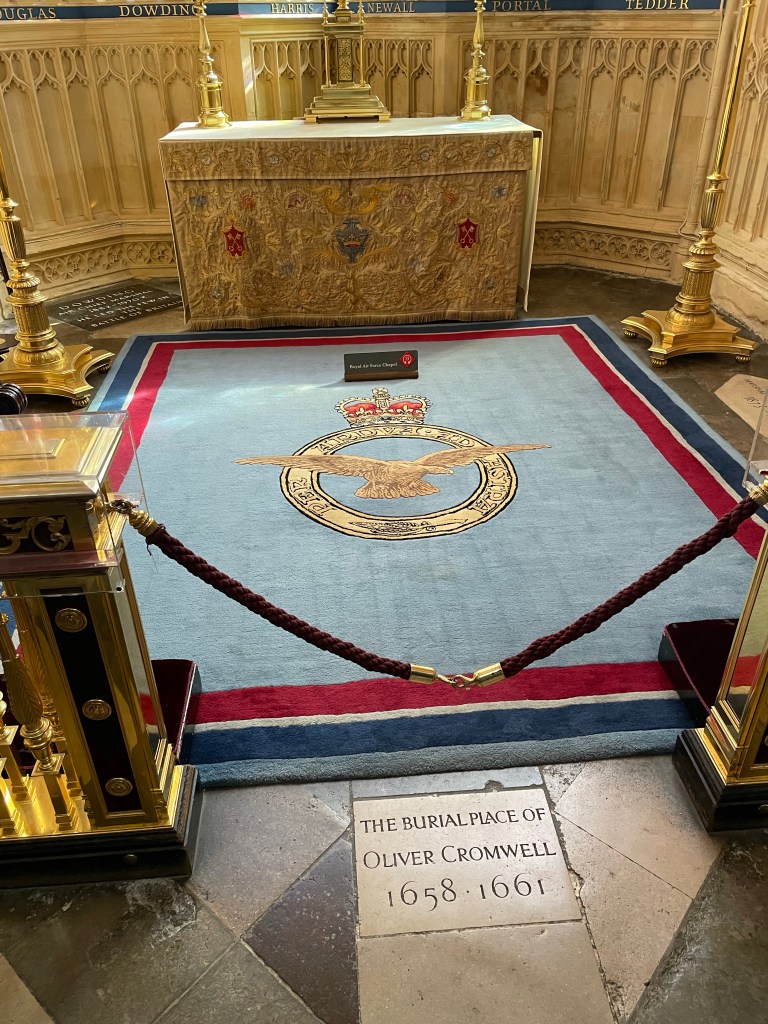
One more royal’ish story – in the Lady Chapel is a plaque marking the “burial place” of Oliver Cromwell for three short years. He was at the center of the English Civil War and in 1653 established himself as Lord Protector, basically the King of the English Commonwealth. His first order of business was to execute Charles I. Oliver died in 1658, after which his son Richard inherited his father’s title for approximately 9 months, when he voluntarily stepped aside. When Charles II was ultimately re-enthroned during the Restoration, he ordered Oliver to be exhumed and POSTHUMOUSLY EXECUTED. Already Dead Oliver was hung by the neck until dead again, and then his head was chopped off. It was set on a pike at Westminister Hall for 30 years (!!), when the wind finally blew it down. A passer-by guard collected it, put it under his arm and scurried away, hiding it for the remainder of his life and passing it down to his daughter. The head was in the hands of private collectors for years until it finally resurfaced and was buried in Cambridge where Oliver attended school.
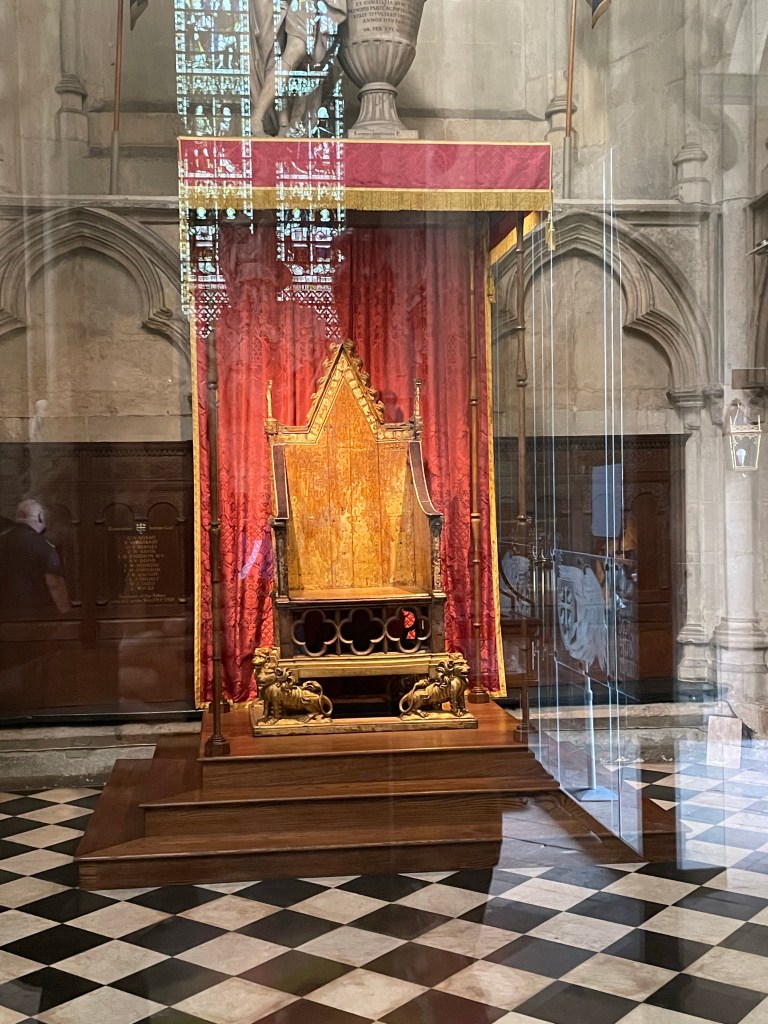
We climbed many many stairs to visit the Queen’s Diamond Jubilee Galleries, with spectacular overhead views of the Abbey. The gallery holds an interesting collection, including a copy of the Magna Carta, effigies of early monarchs and weirdly, William and Kate’s marriage certificate.

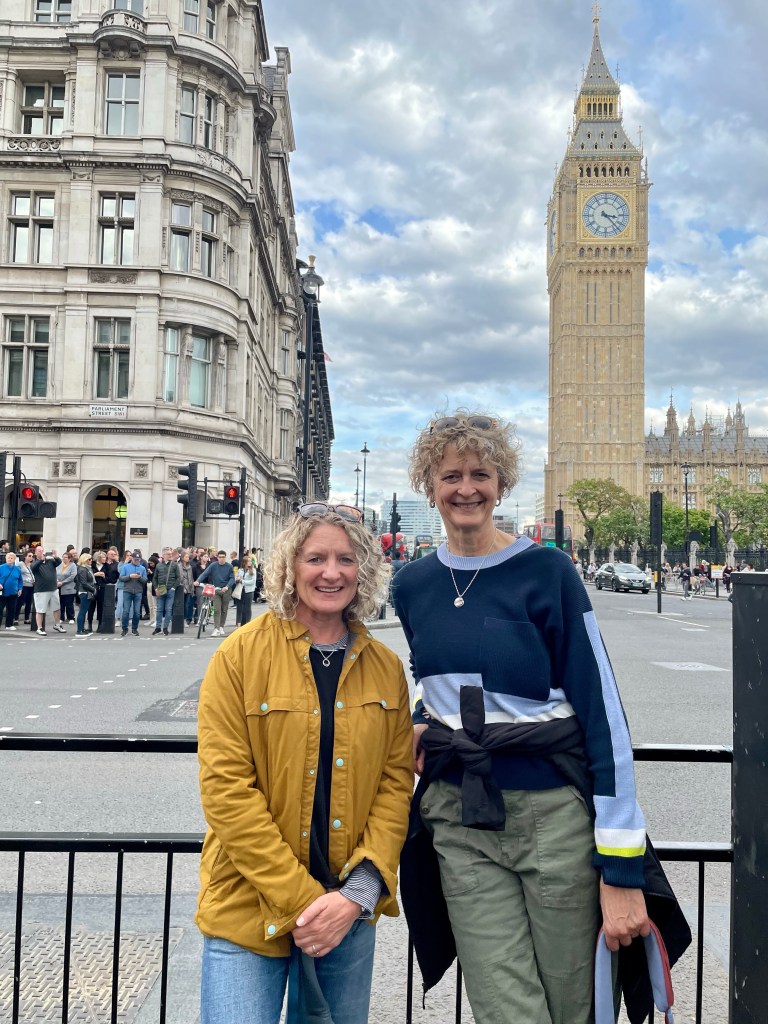
At last we departed Westminster and visited Big Ben, who had recently completed a major refresh and looked fabulous.
After a brief respite in a pub we visited Churchill’s War Rooms – an underground warren of deeply claustrophobic rooms that served as the center of Britain’s war effort in World War II. It became operational one week before Britain declared war on Germany and was abandoned only after the Japanese surrendered. Churchill and his cabinet lived and worked there throughout the war and while bombs fell overhead during the Blitz. My favorite was the Map Room, staffed 24/7 with a member of the RAF, Royal Navy and Royal Army. It was very high tech at the time – there were phones called “the Beauty Chorus” that connected the Map Room with Need-To-Knows in the British military. Only 46 people had access to the room and they were known as the “Glamour Boys,” which I love.
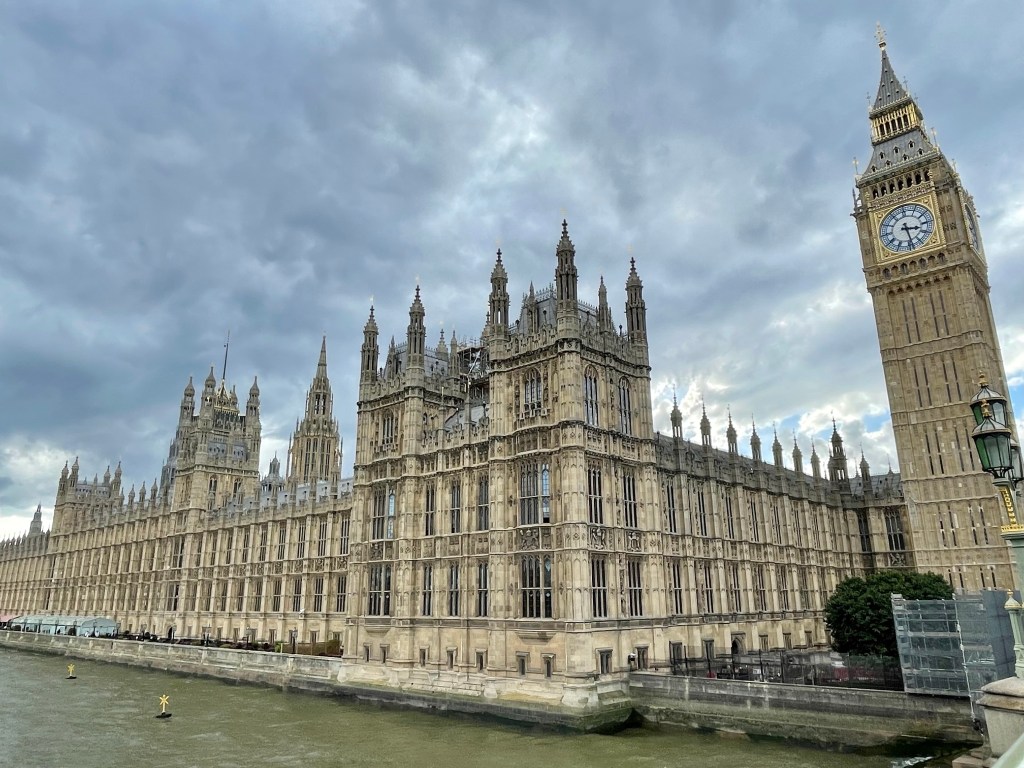
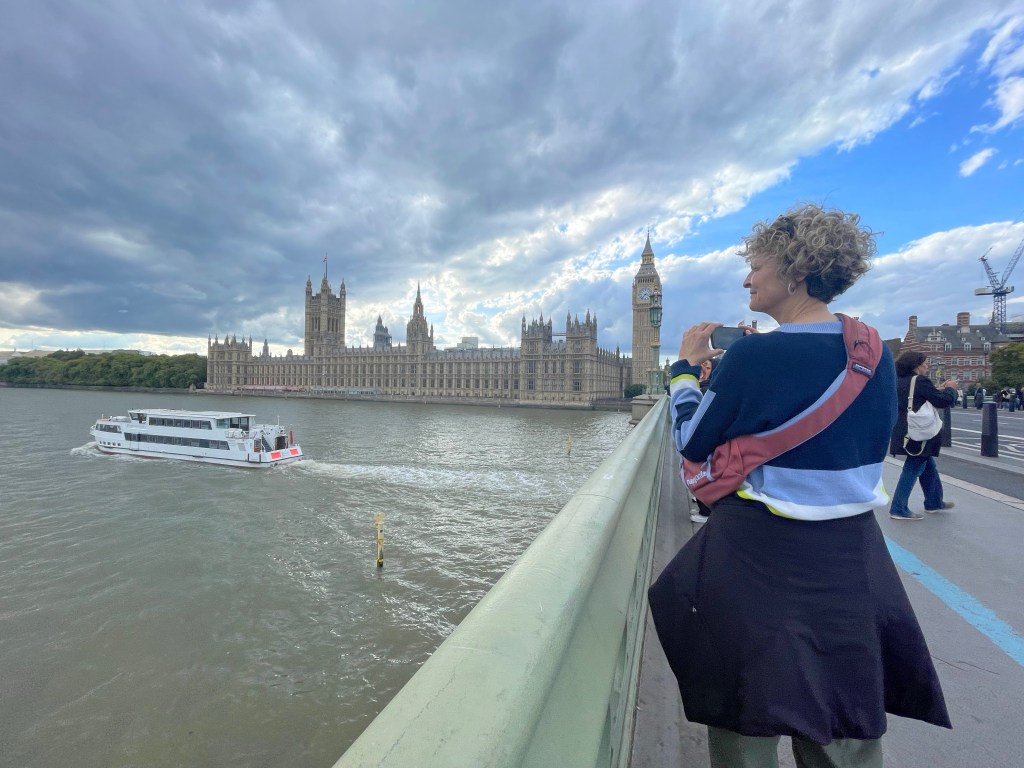
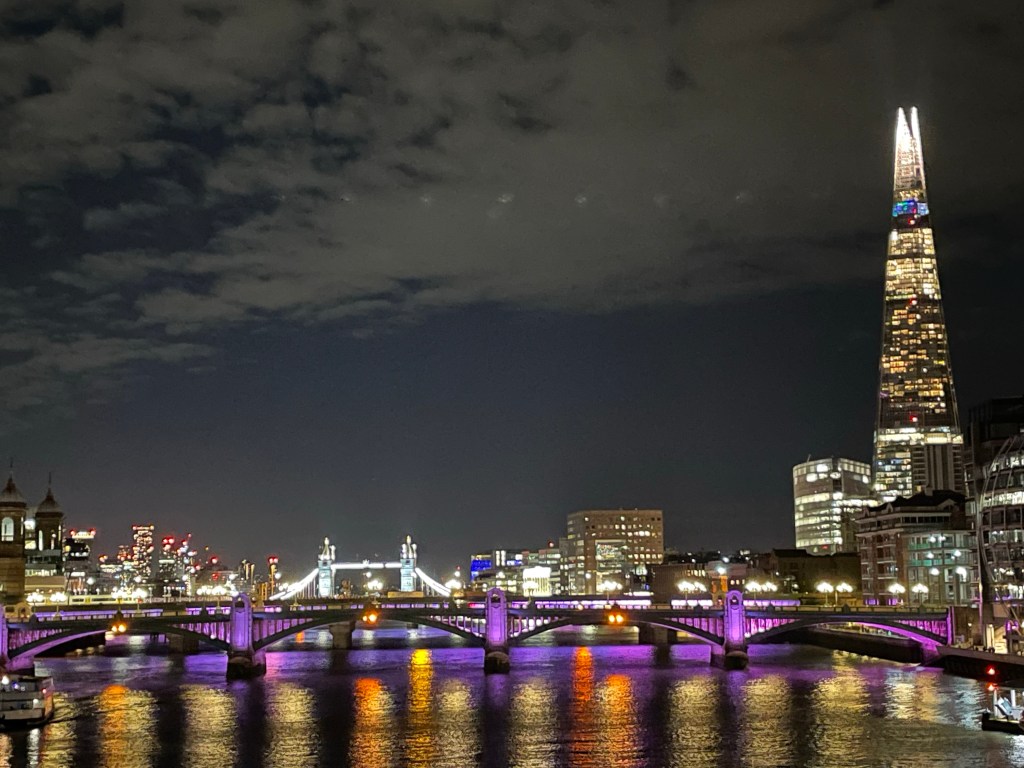
We meandered back to the hotel along the Thames with a wonderful view of the most beautiful legislative chambers in the world
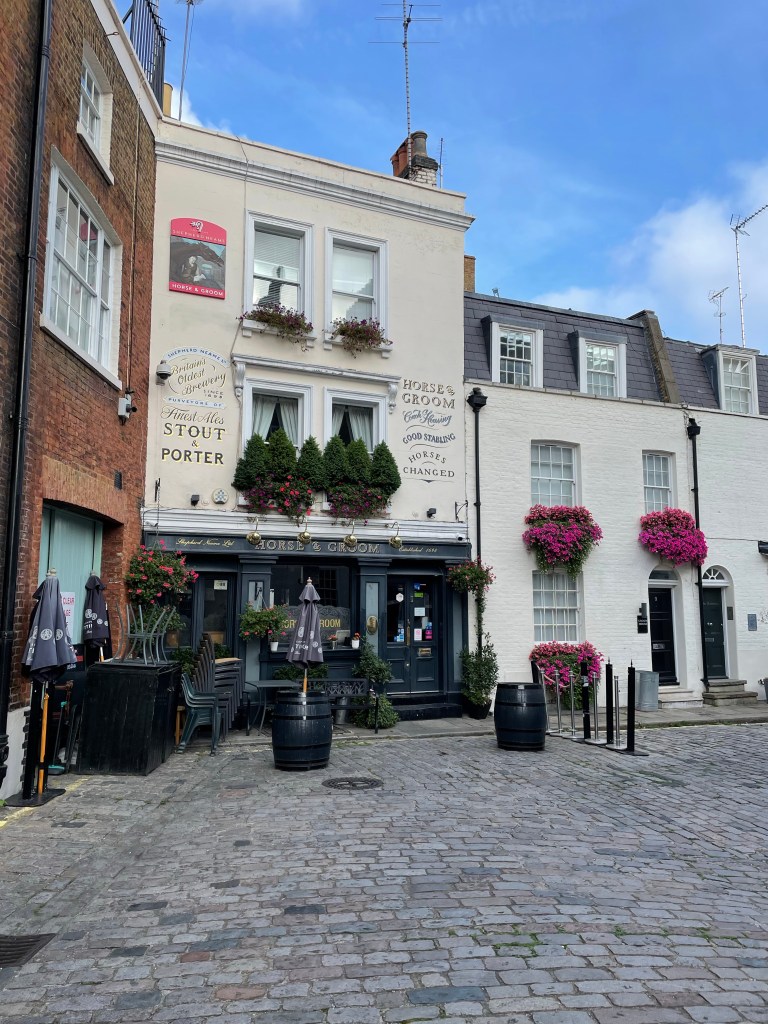
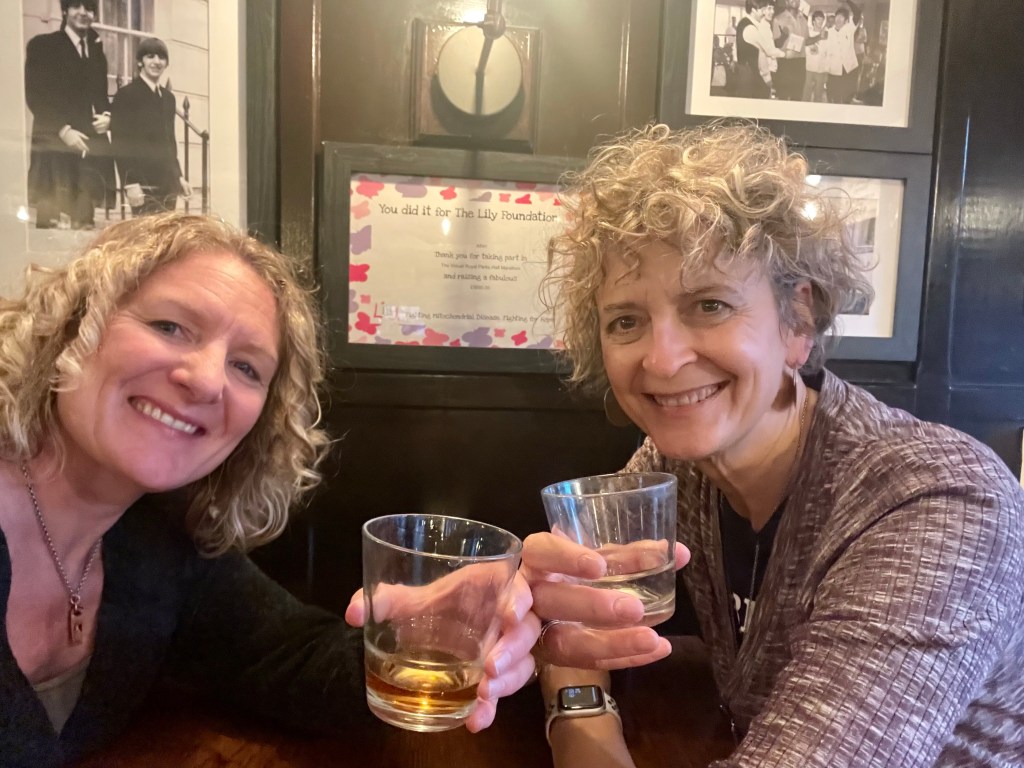
Time to hit a pub again (please stop counting) in our Belgravia neighborhood. The Horse & Groom, tucked away in a residential area. Blissful.
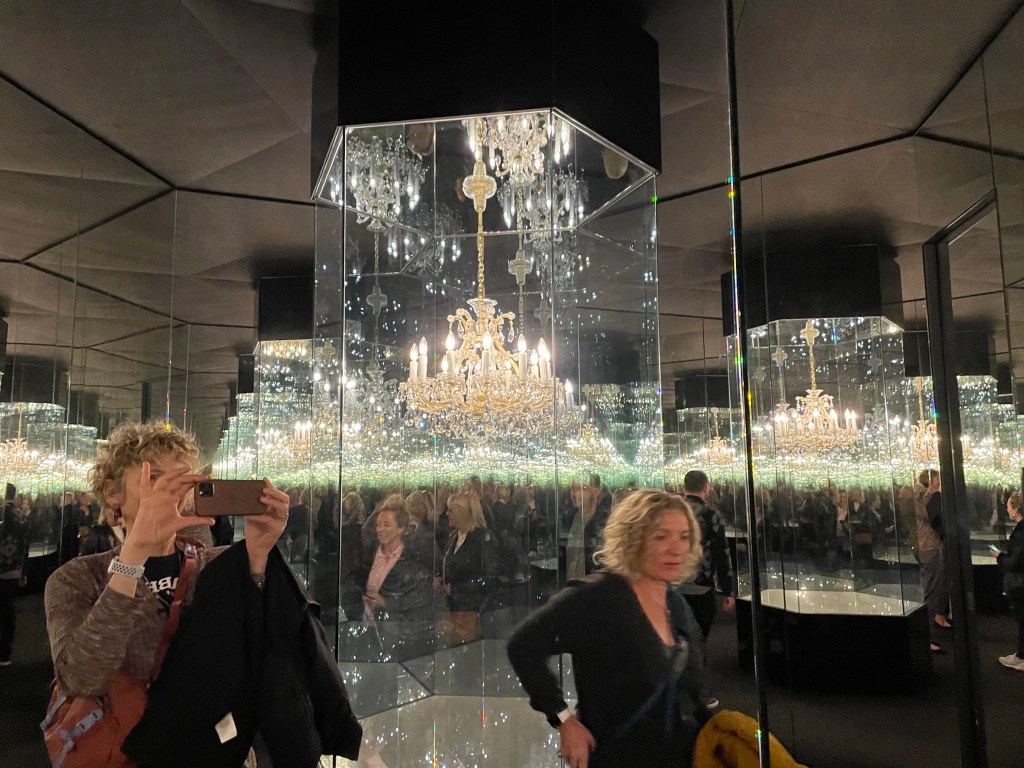
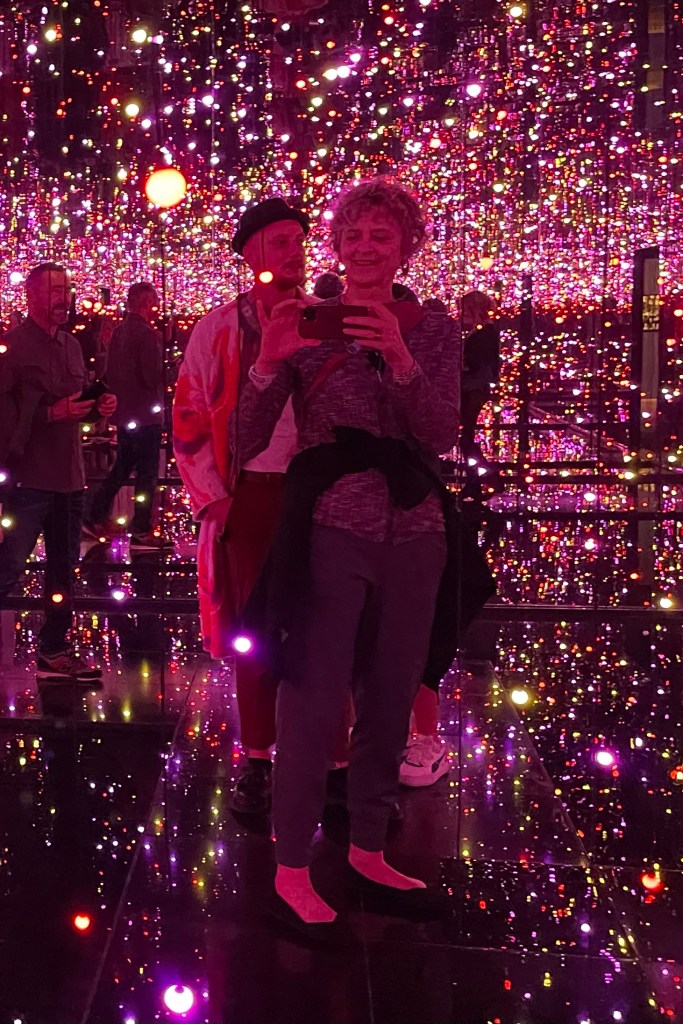
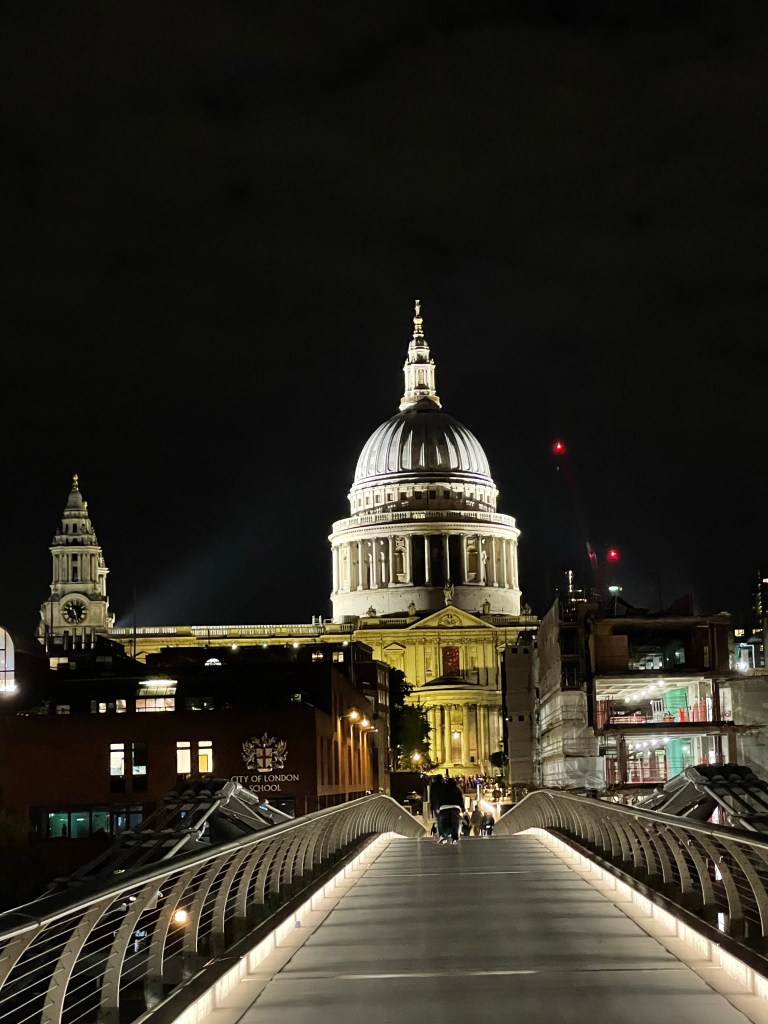
That evening we had dinner at the Tate Modern with views over the Millennium Bridge to St. Paul’s Cathedral. We had scored tickets to Yayoi Kusama’s marvelous Infinity Mirror Rooms. From early in her life, Kasuma experienced visual hallucinations that made her lose herself and disappear into her surroundings. She called this self-obliteration, and wanted to create art that would help others experience what she saw. While incredibly striking and moving, these hallucinations were understandably challenging for her to manage and so she checked herself into a Tokyo hospital where she remains to this day, creating her art in a nearby studio. There were two small rooms in the exhibit, The Chandelier of Grief (A+ title) and the Infinity Mirror Room. She brilliantly employs water, lights and mirrors to create a sense of infinity. You enter the rooms with a very small group of people and stay a short time. It’s pretty cool.
The museum guide at the entrance of each room set the stage by serving as a sort of Arbiter of Doom. He dispensed instructions like a wizard warning that the next phase of our quest would be to answer a dwarf’s riddles in order to cross a bridge. He added that if anybody freaked out and pounded on the door to get out it would ruin the experience for everyone else, which was an immediately stressful thought.
He also advised that our experience in each room would be utterly unique depending on our group. He was entirely correct about this. We entered the chandelier room with a cadre of well-behaved folks. The exhibit was brilliantly amazing but the vibe was basically like riding an elevator with some random Sears shoppers. In the second room we fell in with a very hip group, and so it was more like a party. We got chastised for not moving through the exhibit because we were basically waiting for our cocktails to arrive. As we were leaving the Tate later that night after dinner, we ran into this groovy group again and the tall dude who was wearing a kimono and a teensy bowler yelled, “It’s YOU guys!! You guys are AWESOME.”
After dinner we walked over the Millennium Bridge – very wobbly in Harry Potter but very gorgeous for our evening constitutional.
A wee end note – we largely used Bolt to get around, another version of Uber. We met the most amazing drivers, including a guy whose brothers had been recently relocated to California by the US Government after we pulled out of Afghanistan. One brother had served as an interpreter and the other as a driver for the US Army and were in extreme danger after our withdrawal. We also met an Italian guy who moved to London from Umbria, one of the most magical places in Italy, because he couldn’t handle the corrupt government/mob situation there. Both talked of how much they loved London, and how it offered opportunities they could not hope to have in their home countries.
 Wee Dram of Scotland
Love your post Julie! You are a travel powerhouse! Really fun to read.
http://www.rebeccarileyart.com
>
LikeLike
Dear Wee. You outdid yourself. You made me feel like I was there. Past, Present, and Future! Continue having a grand adventure.
Cheers Paul.
Sent from my iPhone
>
LikeLike