First full day in the Cairngorms was very only-in-Scotland. Sorry to say, I was entirely expecting to share funny mishap stories about driving on the left but alas – as my boss said about his own impending trip to England, “You just drive on the left.” A left turn is like a right turn and vice versa. You certainly can’t allow your brain stem to run things, mission control must remain with the frontal lobe, but it’s surprisingly fun and easy. We rented a peppy race car Toyota named Dougal who had automatic transmission (good choice) and a new car smell.
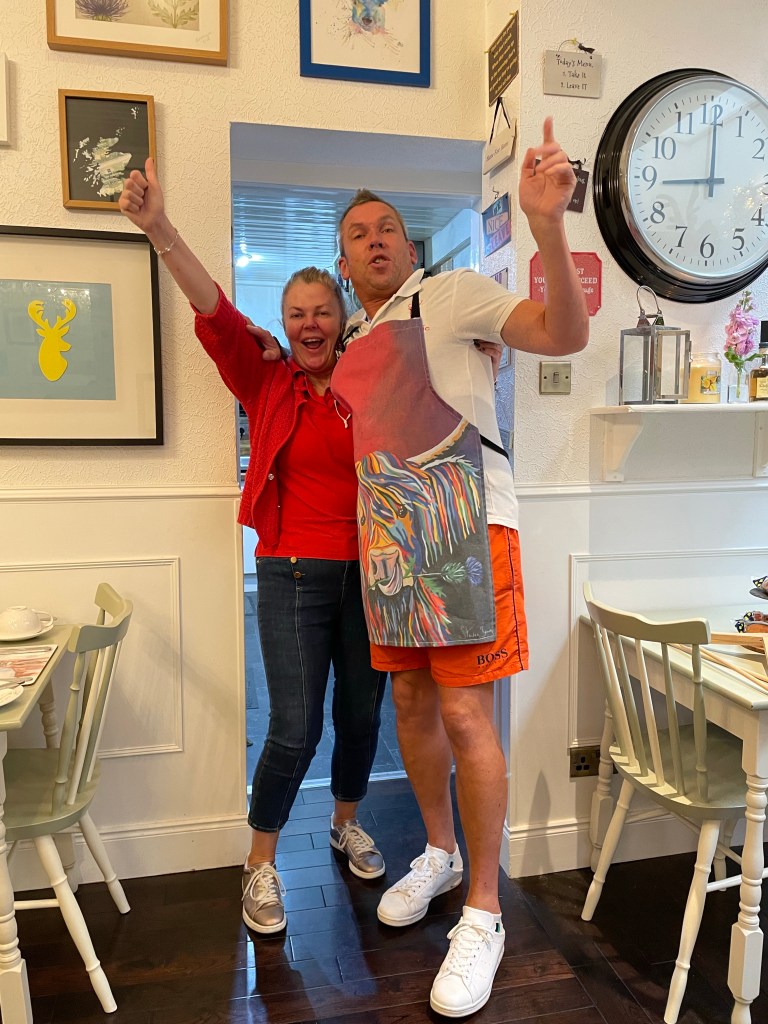
Our bed and breakfast, the Ardlogie House in Aviemore, is run by the most delightful, hilarious and kind couple you can imagine, Kirsty and Kev. I asked them to pose for a photo at breakfast and immediately this happened.
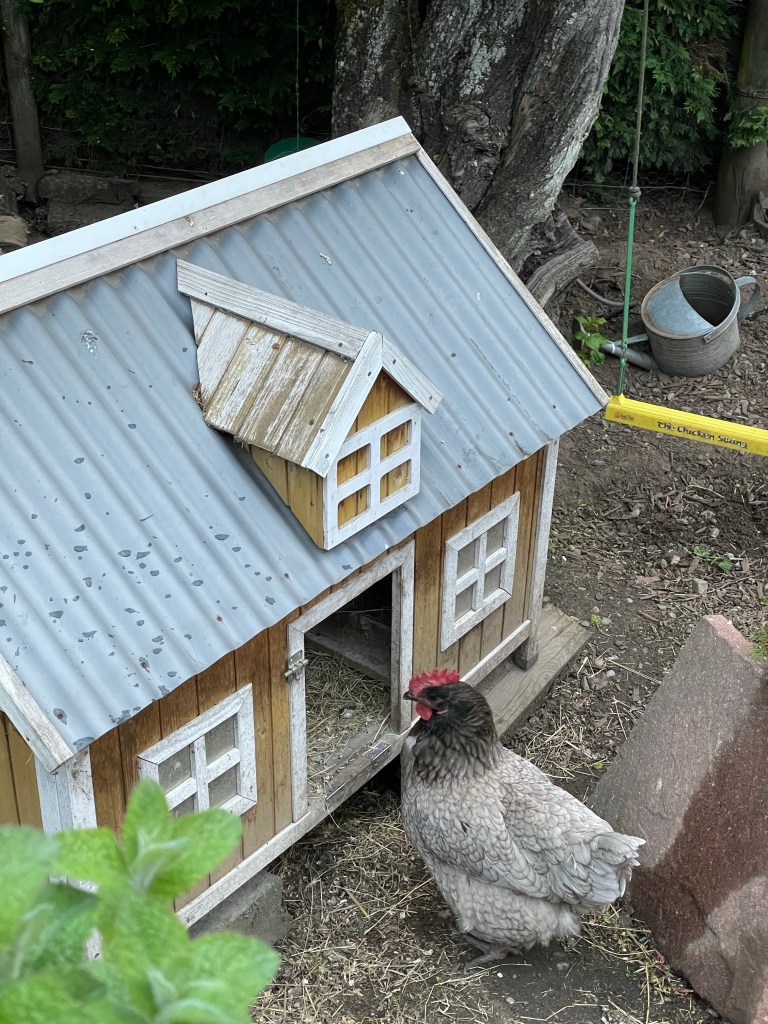
Speaking of breakfast – good heavens. Very scrumptious with a luscious pile of (local) Scottish salmon and scrambled eggs from the butts of the many chickens who wander the backyard and live in their own little houses.
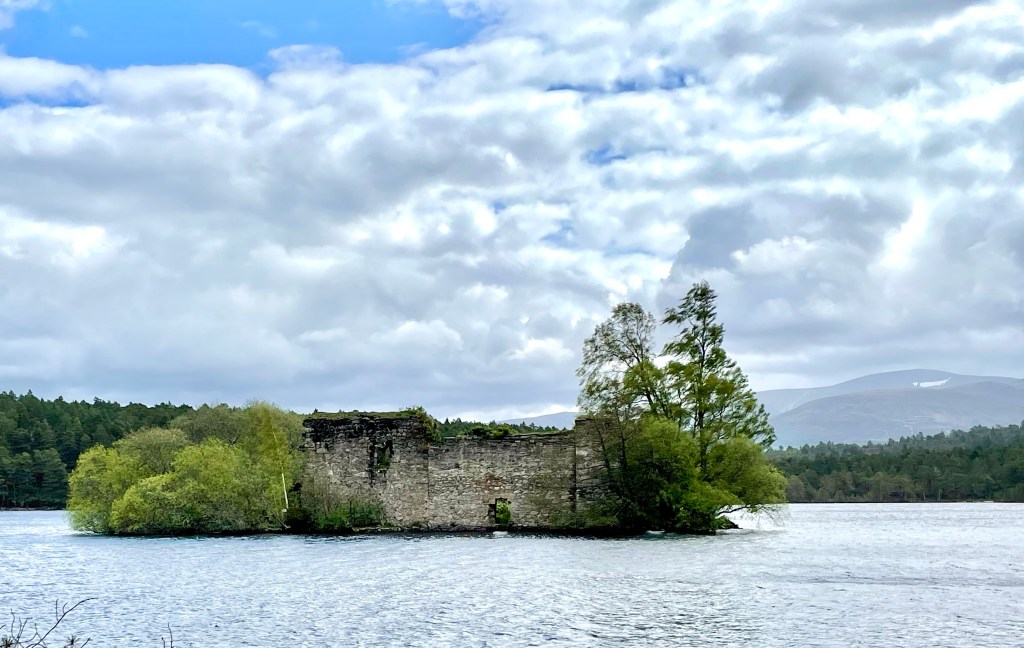
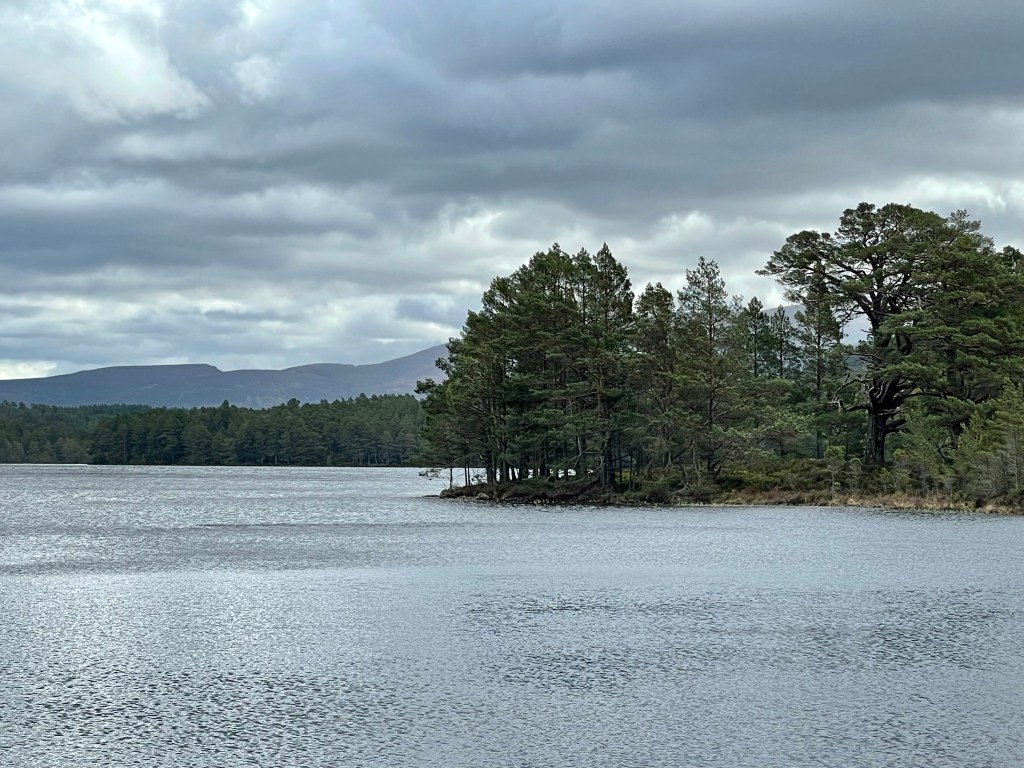
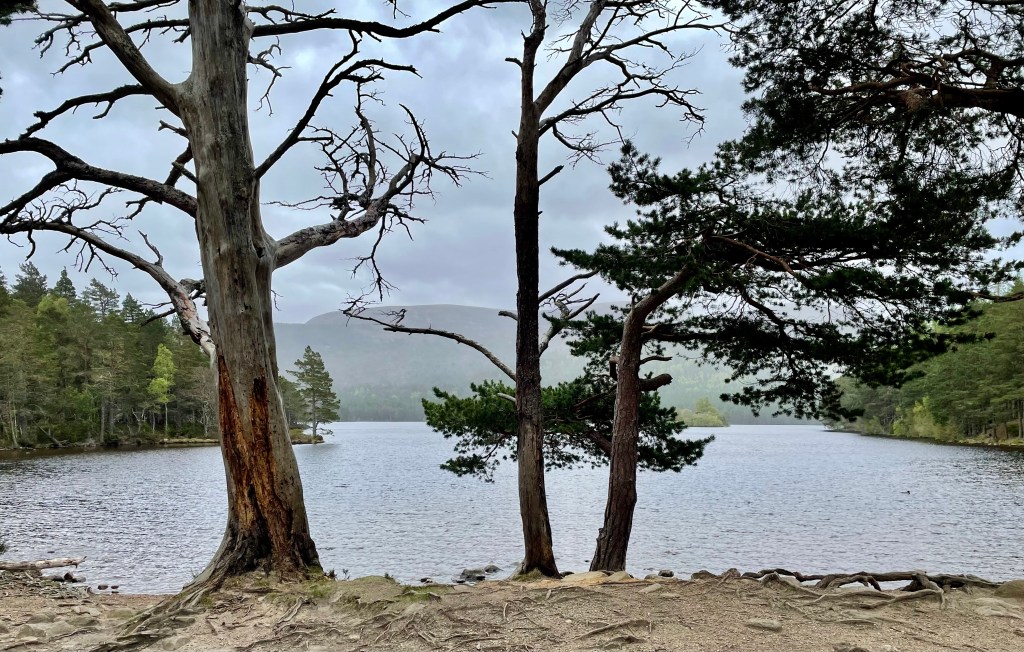
For our morning constitutional we circumnavigated nearby Loch an Eilean. There are an unbelievable 30,000 lochs in Scotland, a country roughly the size of South Carolina. If you are a completest, don’t add “visit all of the lochs” to your list of obsessions.
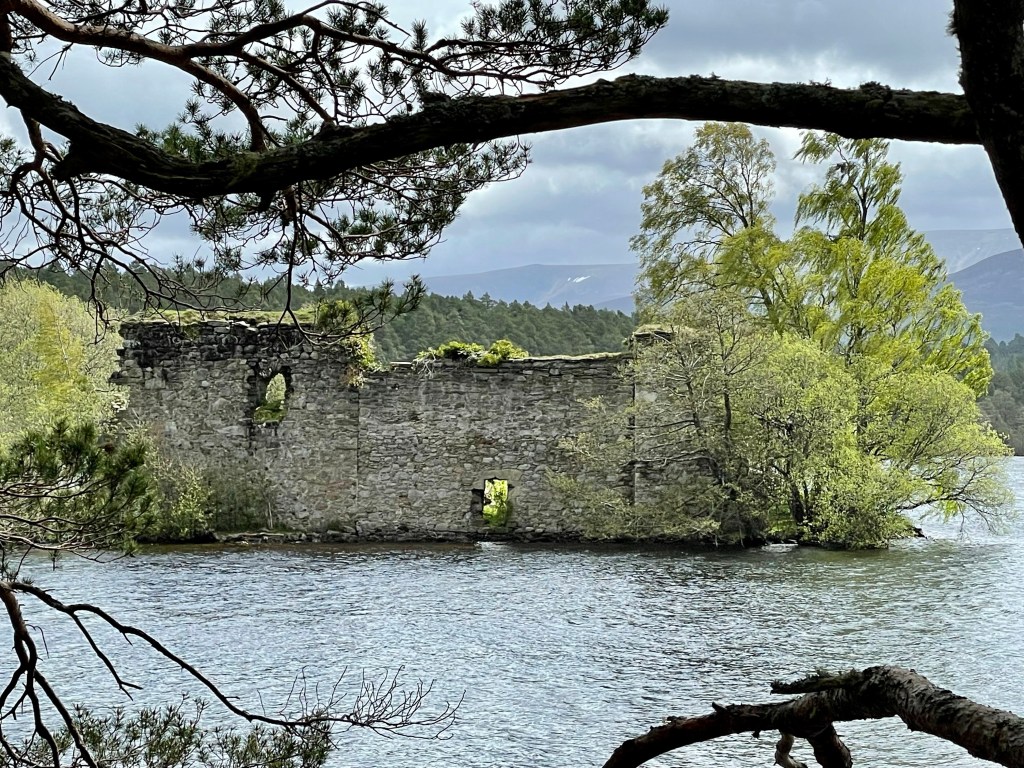
A castle floats in Loch an Eilean, built in the 14th century. A causeway led to the island but it’s now submerged as levels in the loch have risen. The island is also smaller (about the size of the foundation of the castle) for the same reason. The castle may have been built by the Bishops of Moray in the 13th century but it was rebuilt by Alexander Stewart, notoriously known as the Wolf of Badenoch or sometimes the Celtic Atilla. He was the third surviving son of King Robert II of Scotland. Not content with vast landholdings granted to him through his royal birth, he snagged the Earldom of Ross by forcing a widowed heiress named Euphemia to marry him. (Unnecessary aside: In 2020 Euphemia was the 7,477th most popular girl’s name with 14 girls unaccountably being so burdened)
The happy couple lived apart and had no children although Celtic Atilla had 40 children by other women. He was excommunicated by the Bishop of Moray after the good father failed to grant him an annulment when he acquired one of his mistresses after marrying Euphemia. In retaliation Celtic Atilla burned down a bunch of stuff, most notably Elgin Cathedral (teaser: put a pin in this). There’s a story about him in The Scotsman with the headline, “The Wolf of Badenoch – Scotland’s Vilest Man?” The castle was subsequently held by a festival of clans, the Mackintoshes, the Gordons and the Grants. After the Battle of Culloden Jacobite fugitives took shelter there.

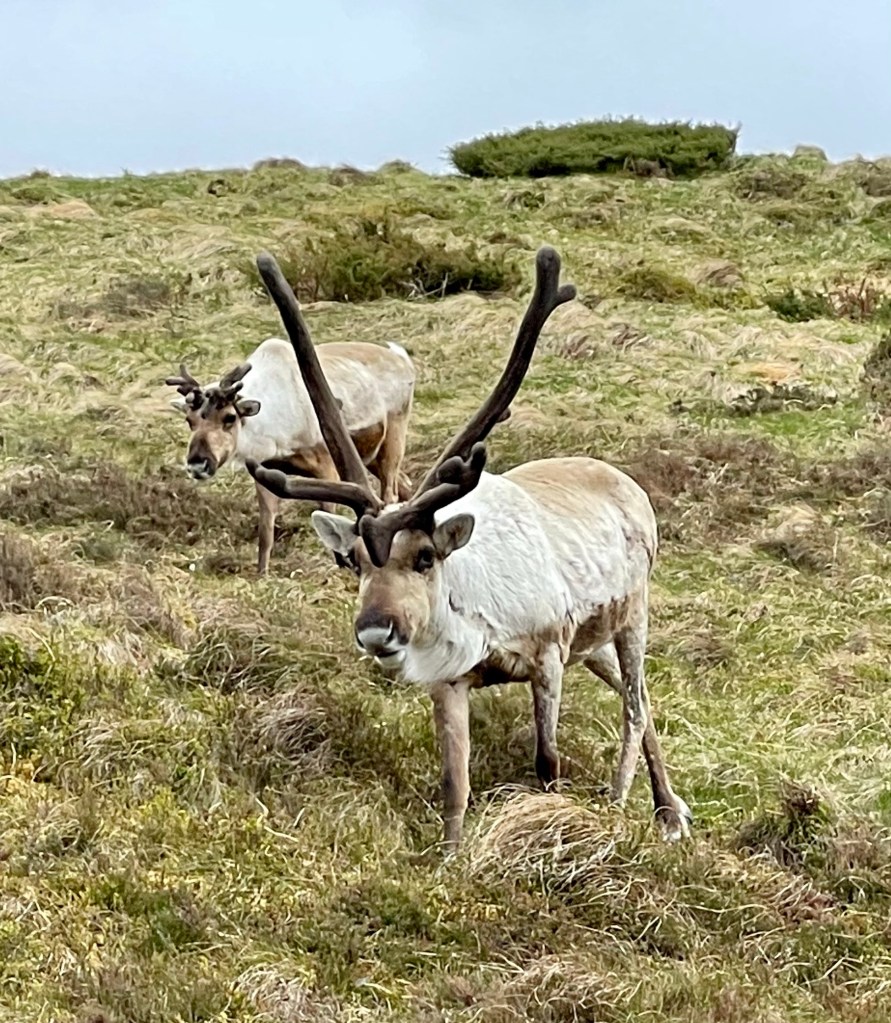
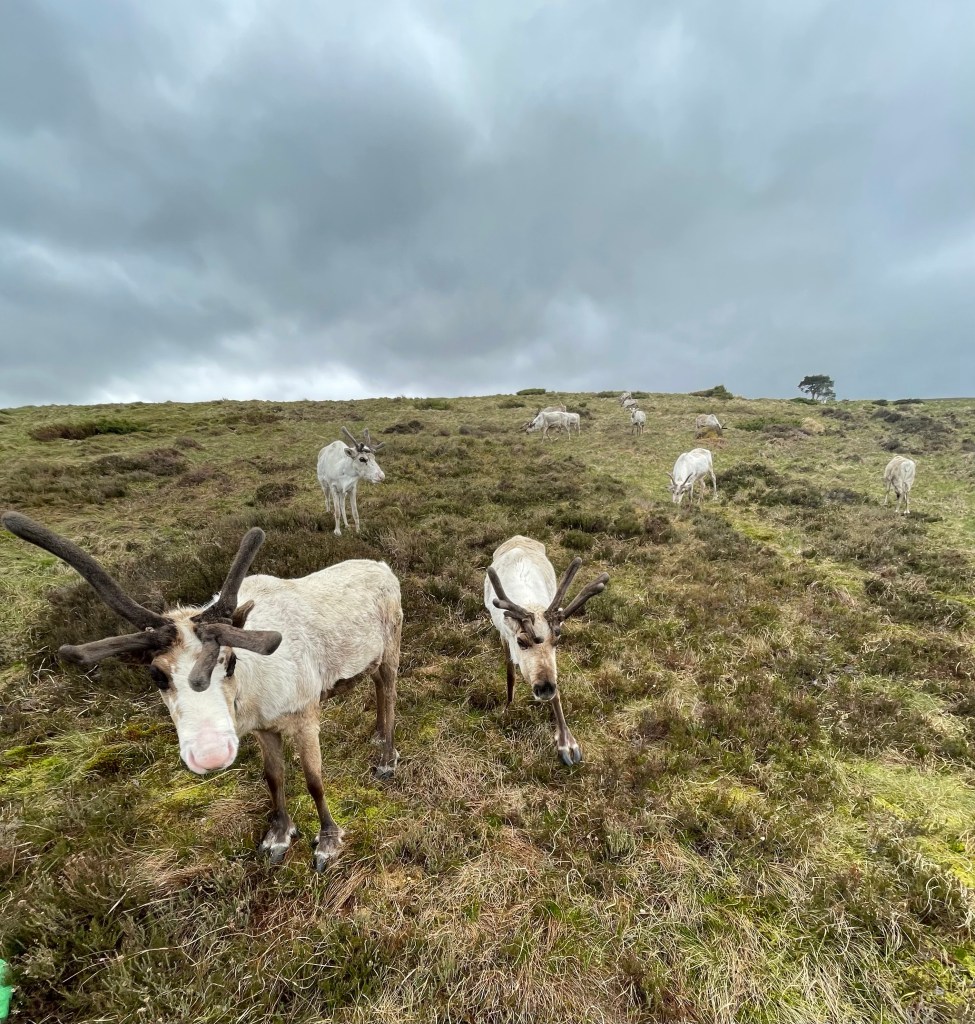
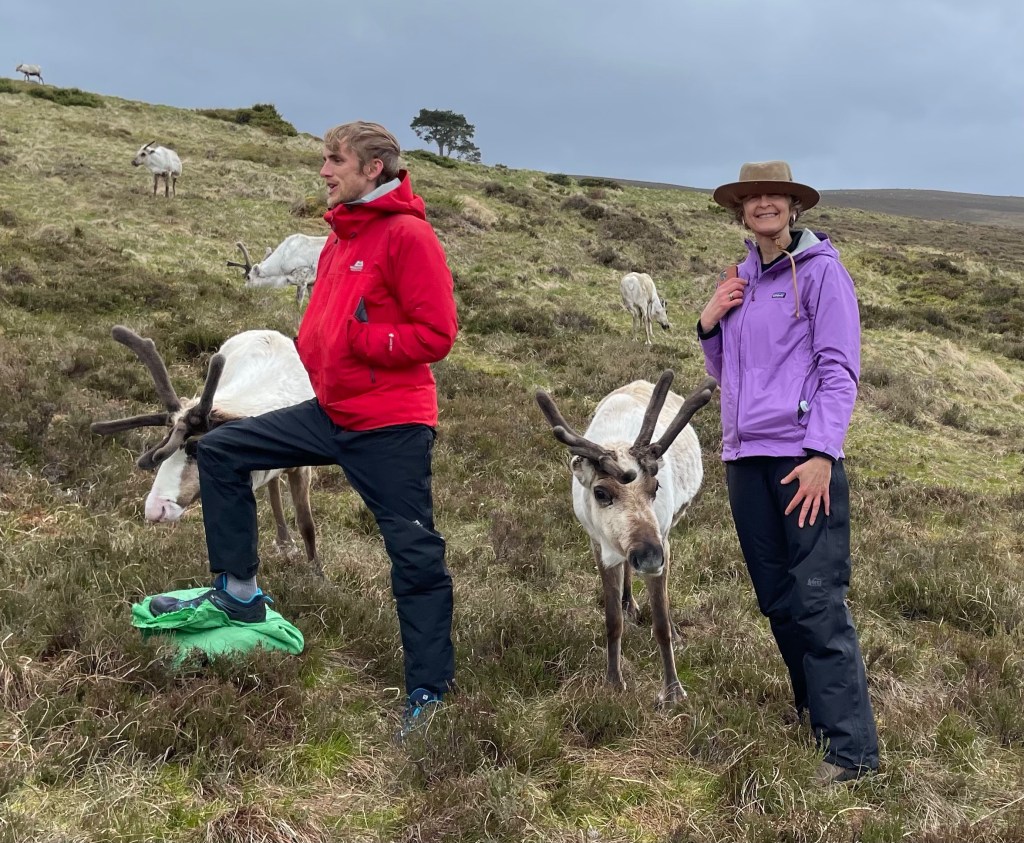
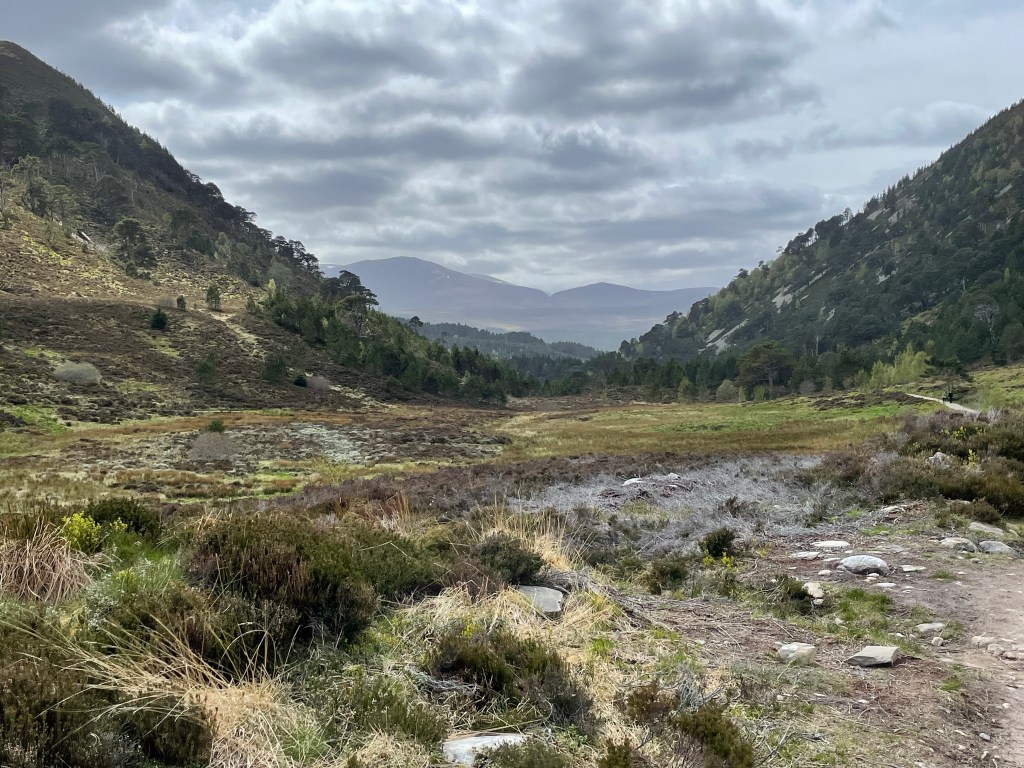
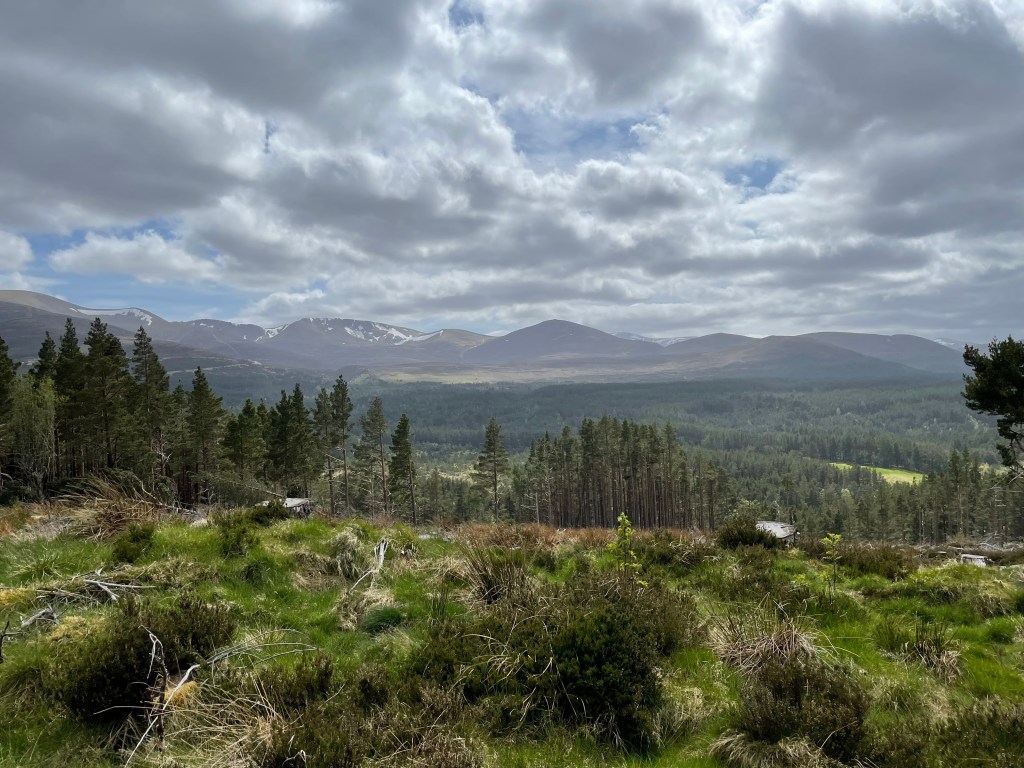
And now if I could offer a tip: if you ever are given the chance to mingle with reindeer, say yes. We left the shores of the loch to head to the Cairngorms for an afternoon spent amongst a reindeer herd. Cairngorms National Park is Britain’s largest, and features the most significant remaining swathes of the ancient Caledonian forest that once covered most of Scotland. It is the location of Balmore Castle, the vacation home and deer-stalking grounds of Her Majesty the Queen. But back to nature, the Cairngorms include four of Britain’s five highest mountains, and the park boasts the country’s only sub-arctic zone with recorded winds of up to 180 miles per hour on its peaks.
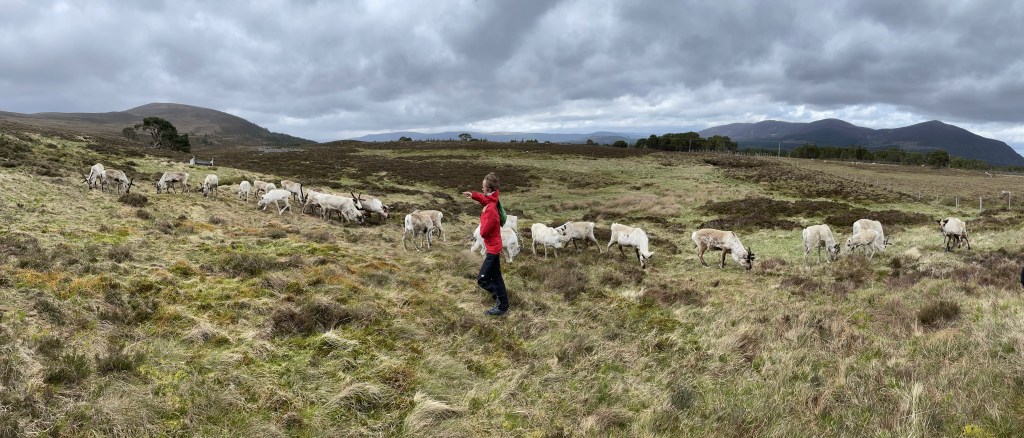
Reindeer used to roam over England and Scotland until they gradually were hunted out of existence hundreds of years ago. This particular herd of 150 are the progeny of a small group introduced into the Cairngorms in 1952. Vacationing honeymooners from Sweden decided this would be an excellent project to undertake since the Cairngorms’ muscular climate would be exceptional reindeer habitat. And so they made it happen, which is amazing but also adds fuel to my general suspicion that I haven’t really accomplished anything.
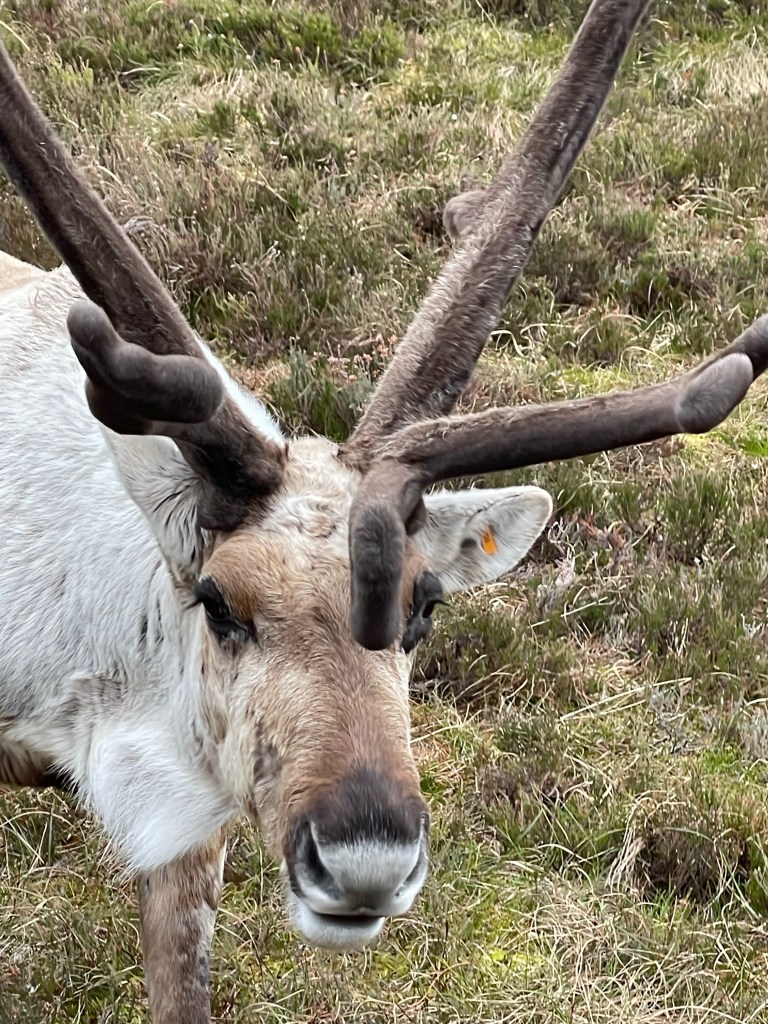
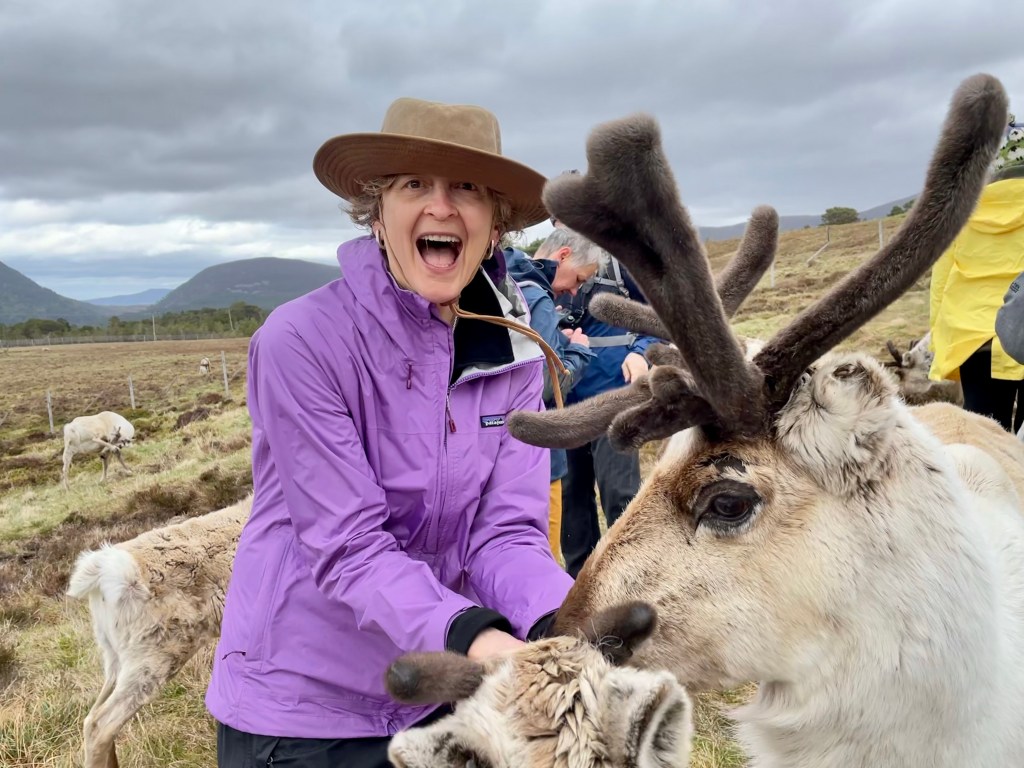
Our hardy group of 8, led by excellent tour guide Ben, hiked up into the very windy mountains to meet some of the herd. This is calving season and so there were baby reindeer (kept in a nearby fenced field with their moms) who were jumping about and playing with each other like baby goats, including one white calf who had been born overnight. Mothers are in labor for about an hour, and their calf is running around in short order after arrival, which is handy for predator avoidance. We were able to feed them but not allowed to touch, as they aren’t “tactile creatures” according to Ben. Very very challenging to restrain oneself from stroking their rich coats and velvety antlers. I actually think they would like it.
All the reindeer have names, and Ben knows them all. A purely delightful adventure, 10/10 would recommend.


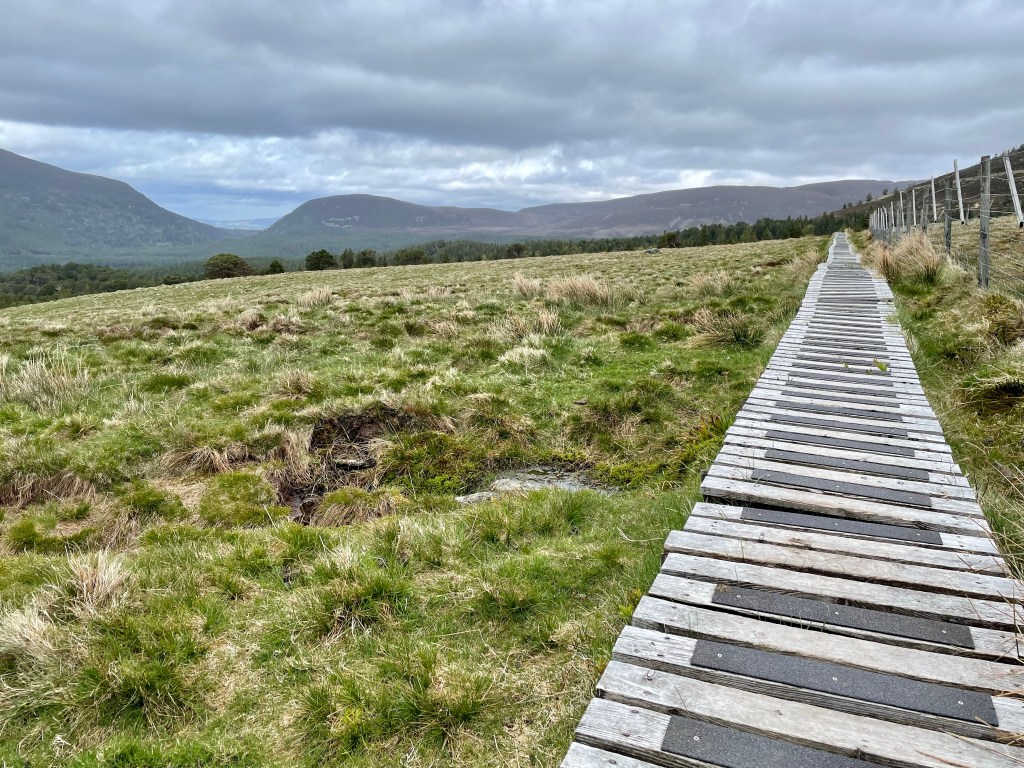
Wooden boardwalk out to the herd.





 Wee Dram of Scotland