Our last day in London commenced with a visit to the Tower of London where we joined a tour led by a most awesome Brit named Don. He was a very kind and sparkly version of Uncle Vernon from Harry Potter. Well-versed in history, ran the tour like clockwork and had a booming voice. He used to be a schoolmaster. When he moved through crowds, he cried “follow the hat!”

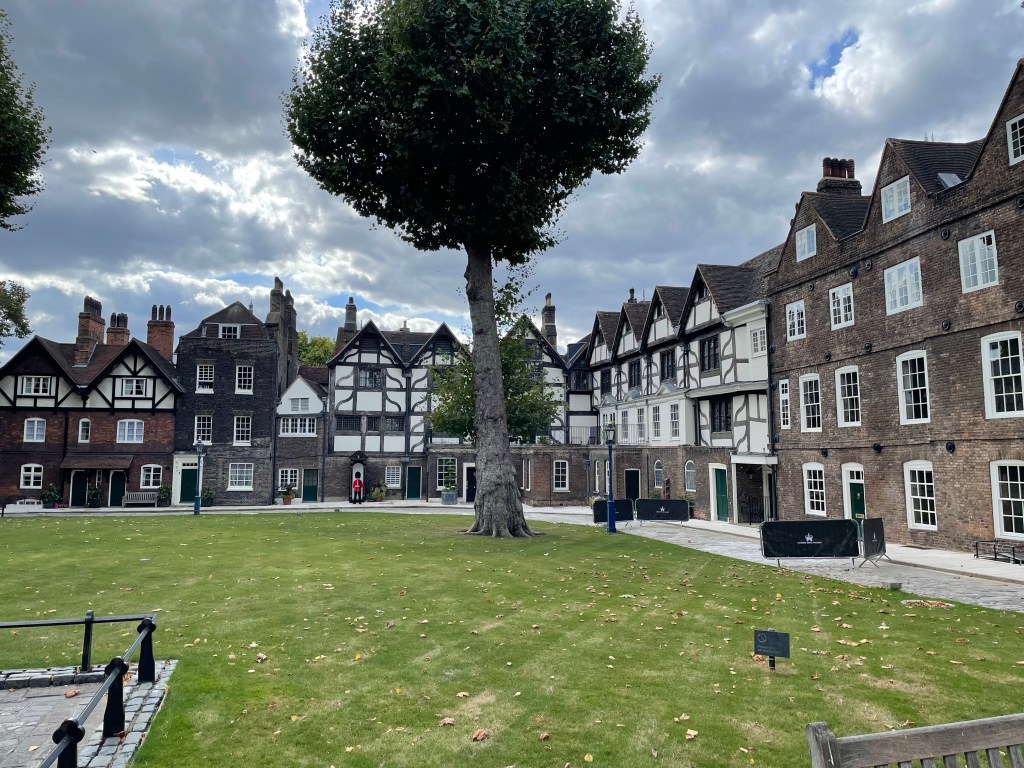
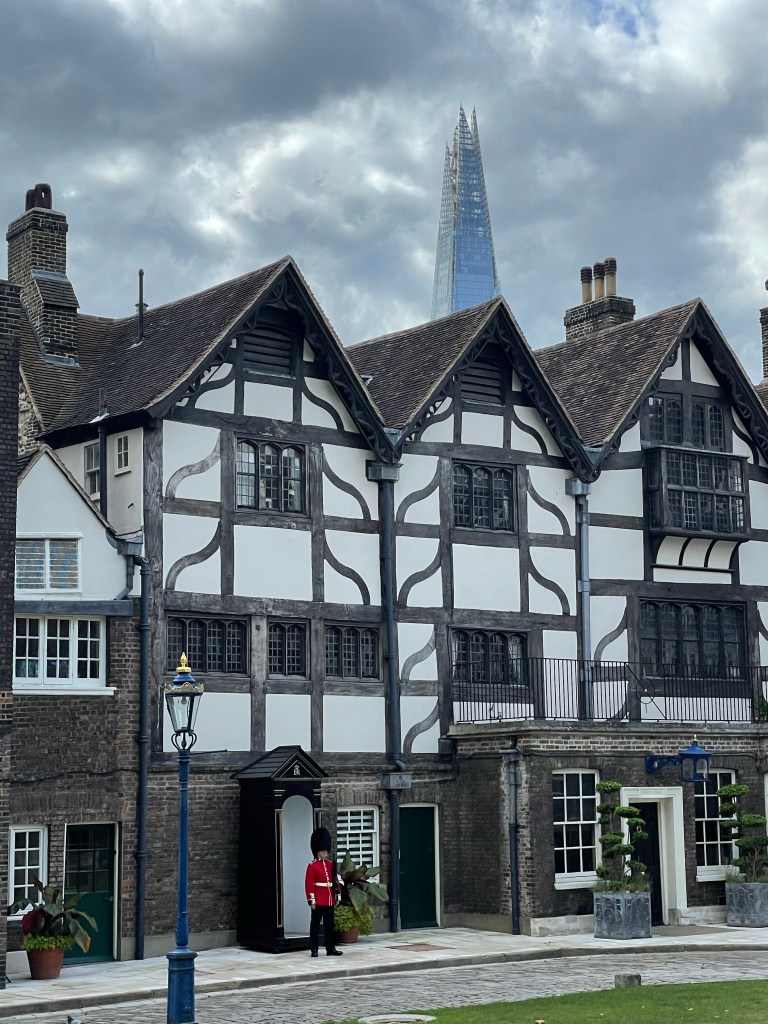
Every group is assigned a Beefeater to welcome them to the Tower and tell a few stories. Ours was a rather hilarious woman named AJ and she pointed out the large Tudor home that takes up one corner of the Tower’s courtyard – it’s the oldest existing Tudor wood-frame home in London (due to all the fires throughout its history) and was built by Henry VIII for Anne Boleyn, and then when construction took a little longer than anticipated, for Catherine Howard.
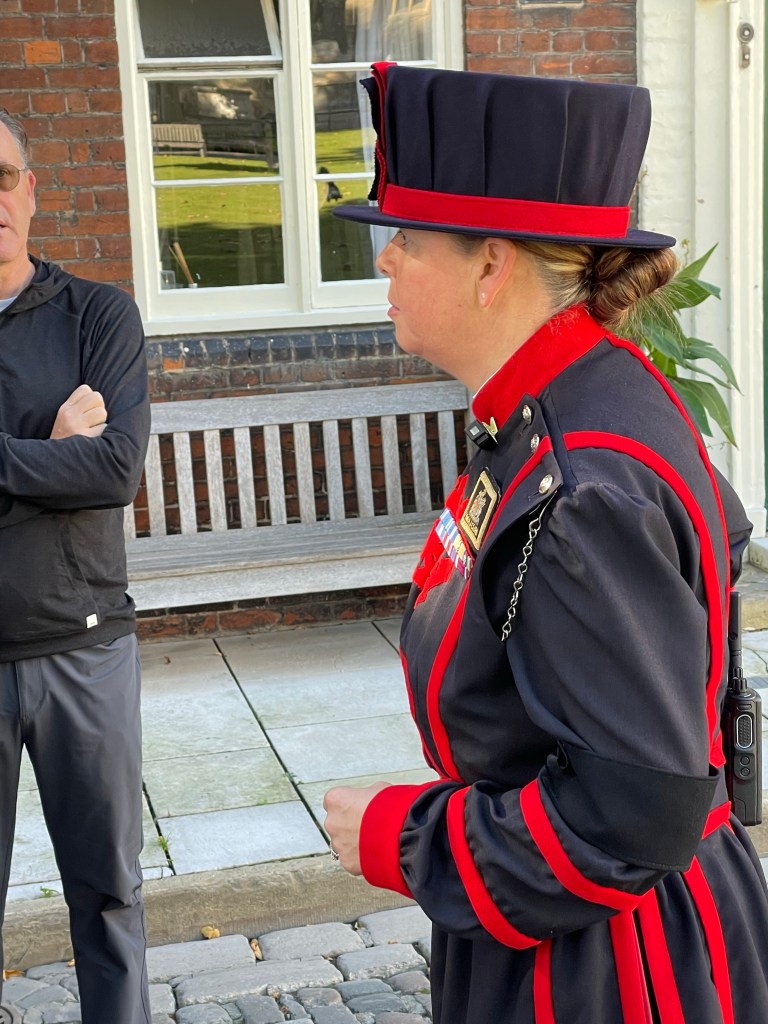
Beefeaters, or Yeomen of the Guard, are the oldest of the Royal Bodyguards and the oldest military corps in Britain. They were formed by Henry VII in 1485 as his personal bodyguards and got their nickname because part of their salary was paid in beef – they were able to eat as much as they wanted from the King’s table. The Beefeaters’ state dress uniforms, which you may have seen during the Queen’s funeral, are bright red with a substantial white ruffle thanks to fashion icon Queen Elizabeth I who added this sartorial flourish. Their everyday uniforms (shown below) were granted to them by Queen Victoria. There are 73 Beefeaters, and they are former officers of the British Services. Their current job is to (ostensibly) guard the Tower and the Crown Jewels and (in reality) to endure tourists and selfies. They do have an awesome ceremonial job of searching the cellars of the Palace of Westminster before the state opening of Parliament, which they’ve done ever since the 1605 Gunpowder Plot when Guy Fawkes tried to blow it all to smithereens. Also they have a private pub inside the Tower where they can recover from being super nice to tourists and telling the same stories over and over.
Over 100 folks live at the Tower mostly in apartments built into the walls, including 33 Beefeaters and their families. It really is a living community, not an artifact.
Kinda strange but the Tower used to have a menagerie within its walls started by Henry II after he received three leopards as gifts. Over the years it included a lion, a polar bear and an elephant, the latter a gift from the King of France. Apparently the imprisoned animals occasionally seized the opportunity to kill zoo keepers, soldiers and visitors, which must have been an exciting turn to the day. When the Duke of Wellington became Constable of the Tower after defeating Napoleon at Waterloo, he closed the menagerie and sent all the animals to the London Zoo. He also whipped the place into shape in other ways, including instituting the rule that Beefeaters must be former military rather than patronage positions. He drained the moat, which was giving everyone cholera, and built military barracks where the Crown Jewels are now kept. While he was at the Tower he remained commander in chief of the British Armed Forces and became Prime Minister twice. A high achiever indeed.
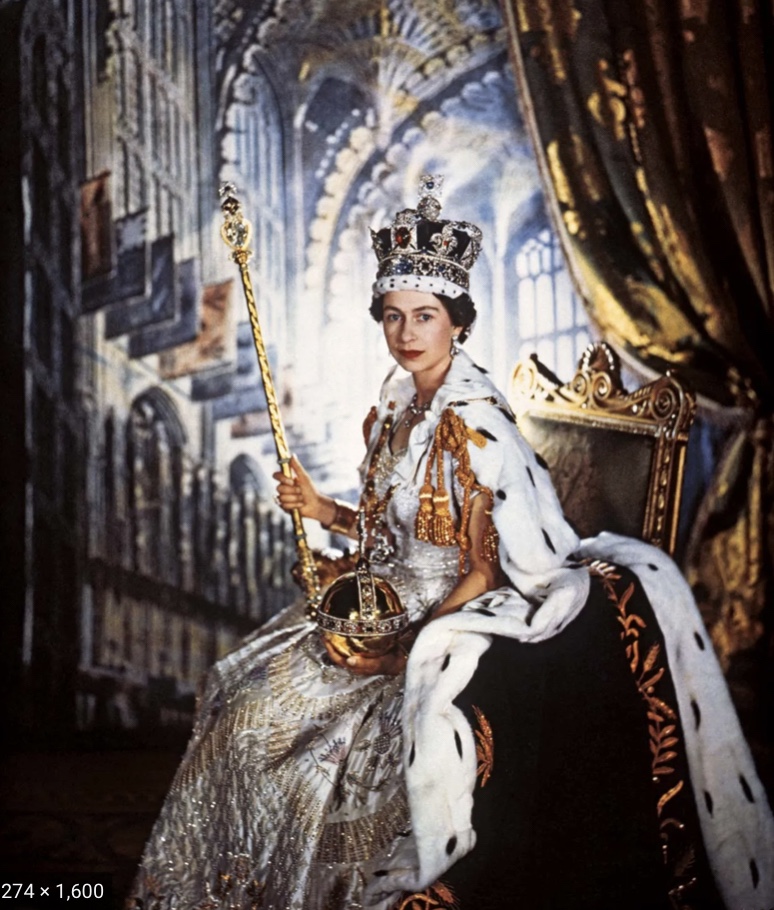
Speaking of the Crown Jewels, we did see them, and they are completely something to see. They had only just arrived back at the Tower after the Queen’s funeral. Interestingly they are not the oldest crown jewels of the realm – the Scottish crown jewels hold that distinction. What happened was Oliver Cromwell melted down the English ones after he executed Charles I and so shiny new ones had to be created in the mid-1600s after the Restoration.
The Imperial Crown of State is used on state occasions and as the sovereign leaves the coronation (St. Edward’s Crown is used only during the moment of the coronation, then it’s exchanged out for the Imperial) The Imperial Crown includes a giant sapphire that belonged to Edward the Confessor which was set in a ring, and let’s just say I’m not sure how he lifted his hand. There’s a ruby from Richard II (!) which was worn by Henry V at the Battle of Agincourt (!!) and pearl earrings belonging to Elizabeth I (!!!). It also has a cut from the largest diamond ever found, the Cullinan Diamond. It is quite literally priceless and contains 2,783 diamonds, 17 sapphires, 277 pearls, 11 emeralds and 5 rubies. Goodness gracious sakes alive.
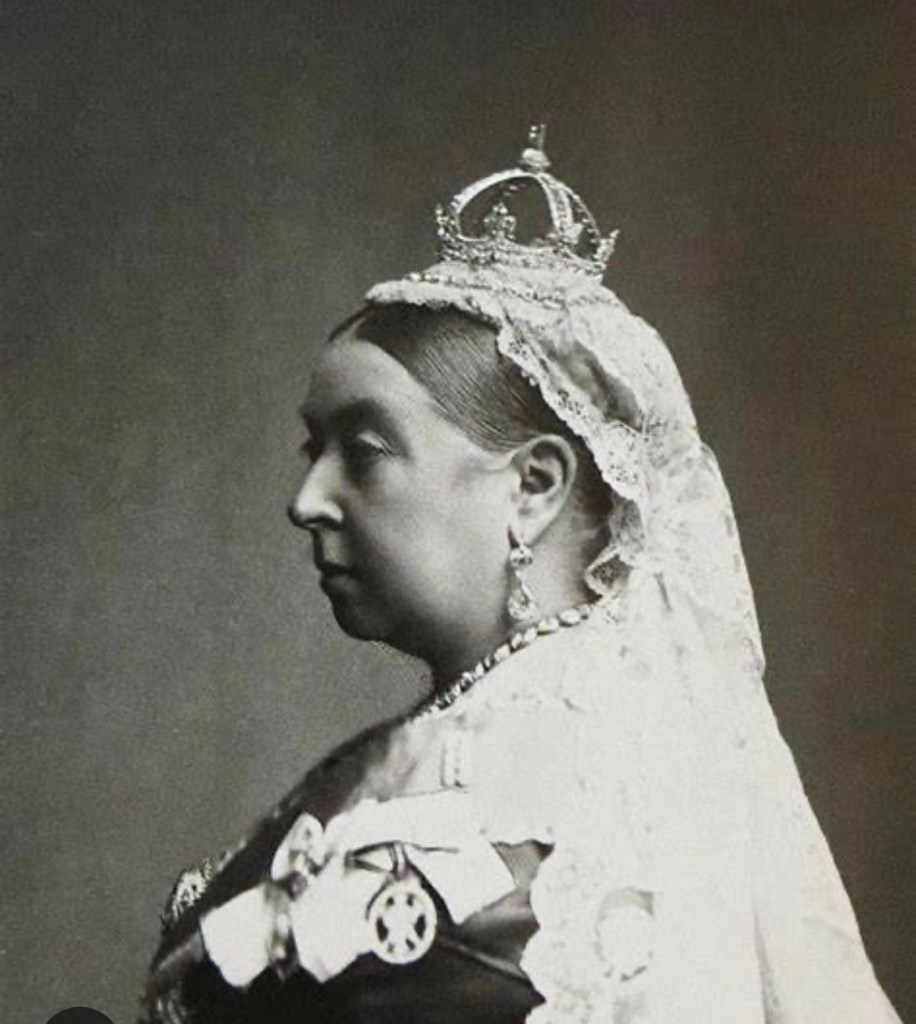
There are many other objects included with the collection, including the Queen Mum’s crown, the Prince of Wales’ crown and some spectacularly gargantuan dinnerware made of solid gold, including the largest punch bowl anyone has ever seen, flagons that must weigh 20 pounds, a baptismal font that is just ridiculous and so on. To balance out all of this ostentation, I particularly loved a very tiny crown Queen Victoria wore over her widow’s cap following the death of her dear husband Albert. With all the overwhelming bling of the Crown Jewels, this wee crown was my favorite.
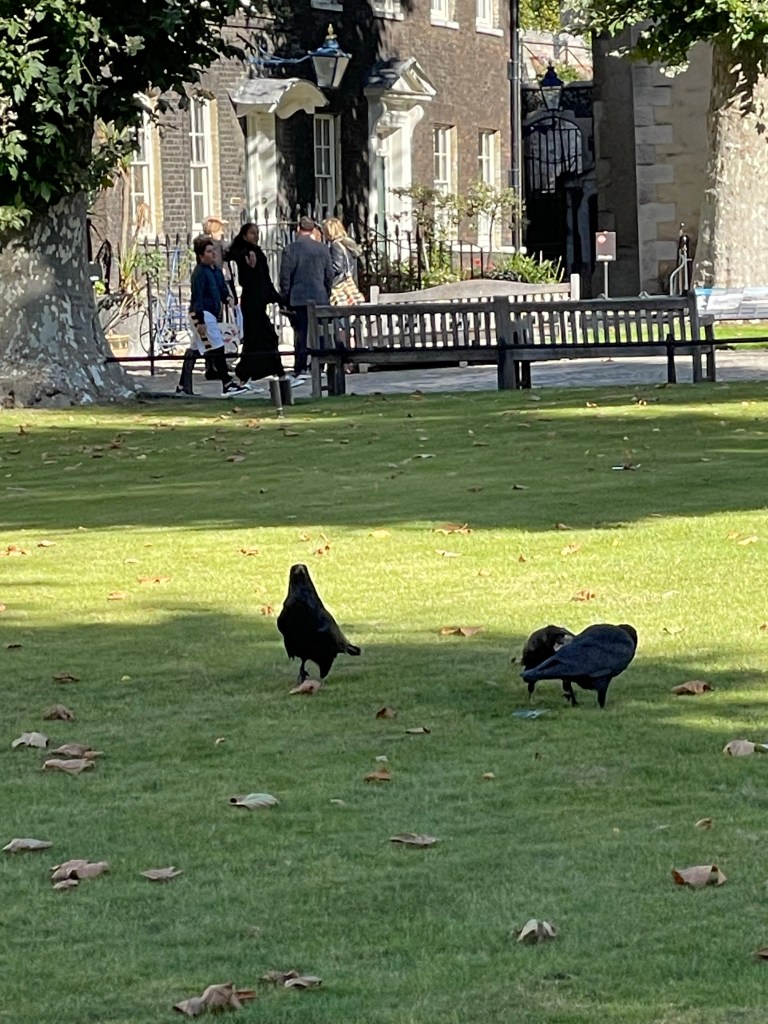
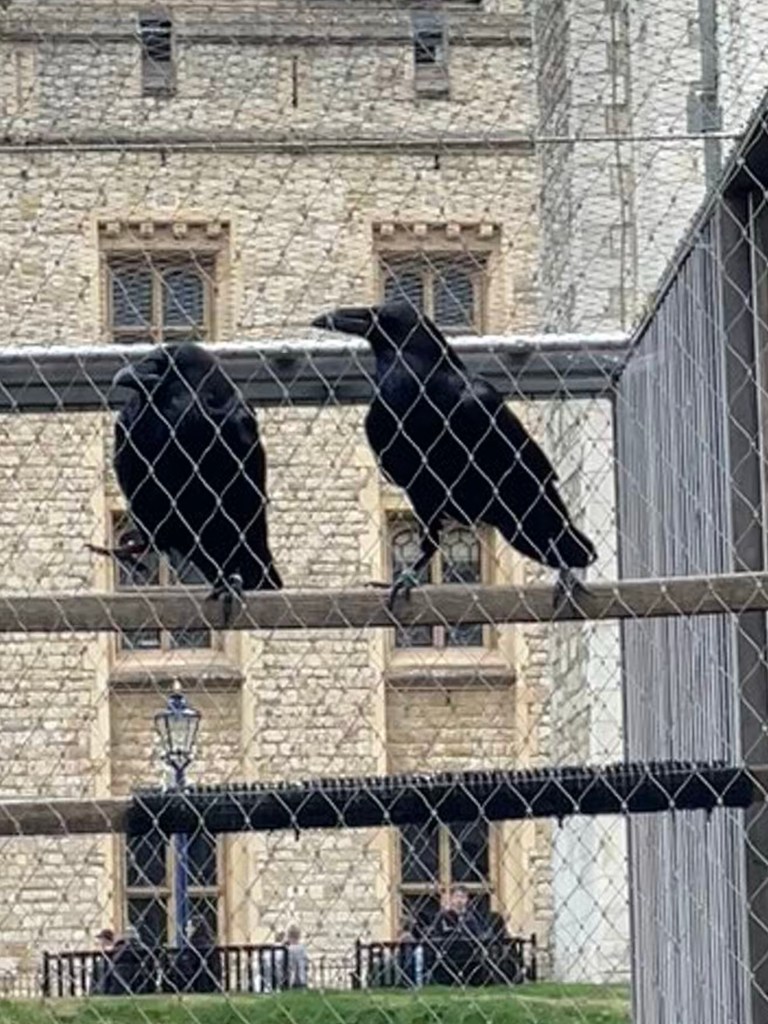
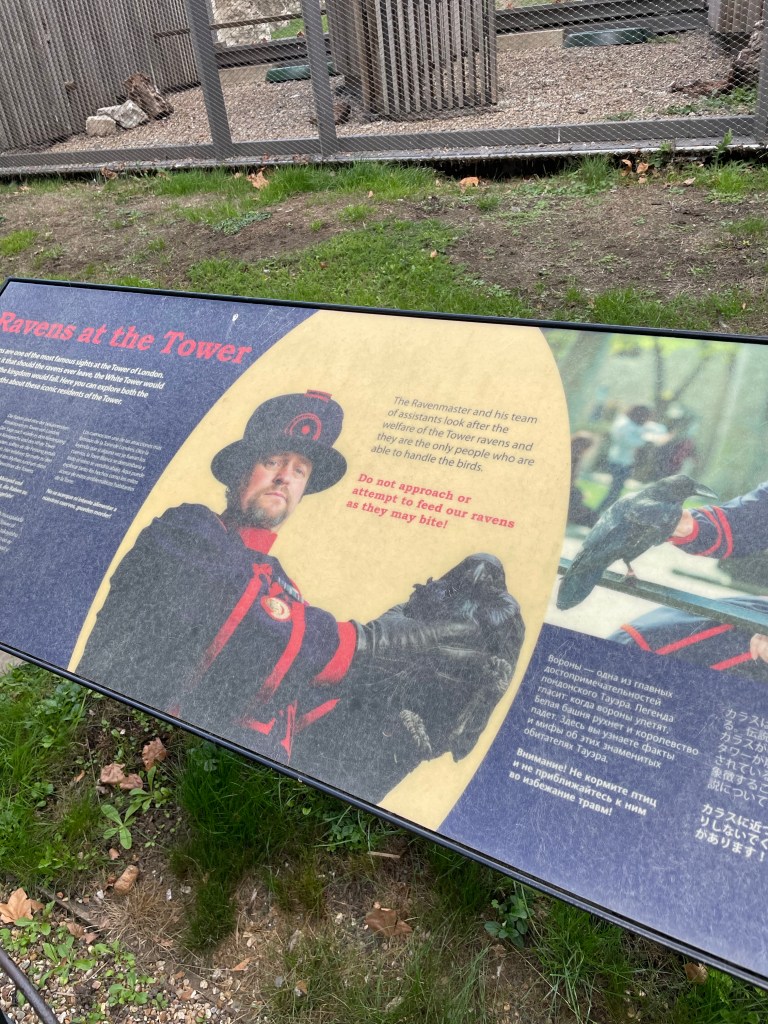
And then there are the ravens. There are ravens living in the Tower which really is the coolest thing. Legend tells us that if the ravens ever leave the Tower, it will fall along with the entire kingdom. Charles II, sort of sensitive to kingdoms falling after the whole Cromwell situation, thought the legend too risky to ignore, and so decreed that there must always be at least six ravens at the Tower. One of the Beefeaters is the chief raven wrangler aka the Raven Master. One of the ravens, Poppy, is completely in love with him and gets jealous whenever he hangs out with anyone else. And ravens mate for life.
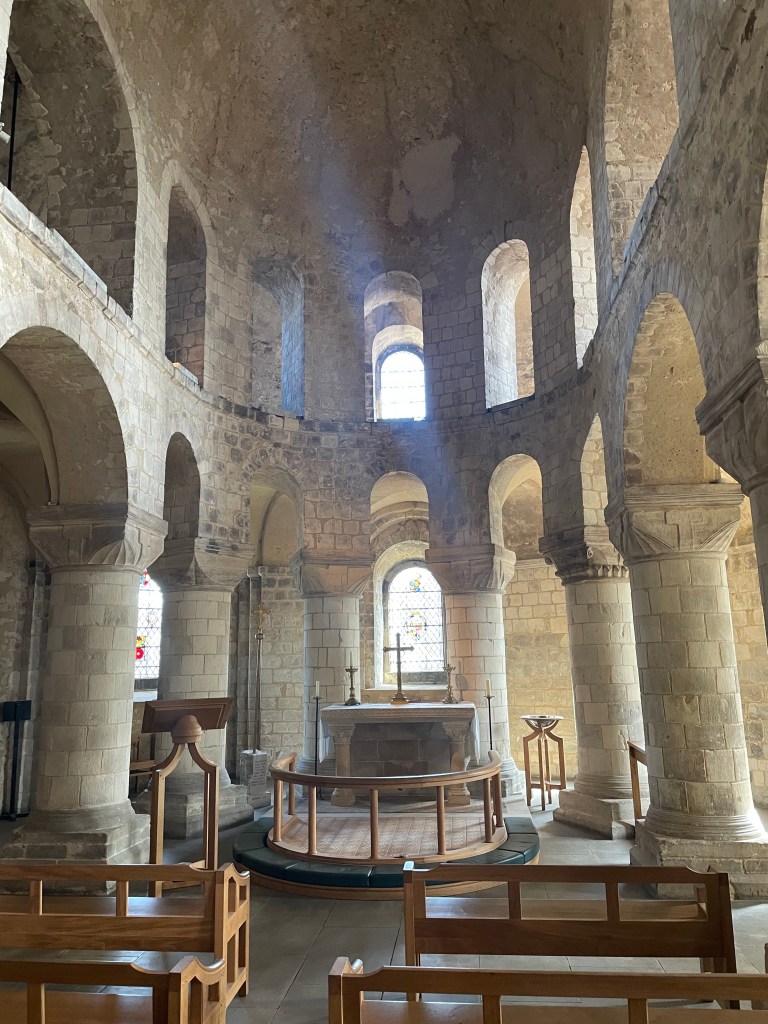
You guys no doubt know that the White Tower, central to the complex, was built by William the Conqueror. There’s a photo of the chapel within it just below. Also you very likely also know that the Tower is the site of many executions. Thirteen people were executed within the walls, the most famous of whom were Anne Boleyn, Catherine Howard, and Lady Jane Grey, all Queens of England and all buried in the Chapel Royal of St Peter ad Vincula, a church within the Tower. About 125 people were executed outside the walls on Tower Hill. You know it’s been a royal residence as well as a prison. You know the story of the young princes. So I won’t bore you (any more) with historical nuggets, as they could, and have, filled volumes, and we would certainly be here forever, and we have to go to the Lake District.
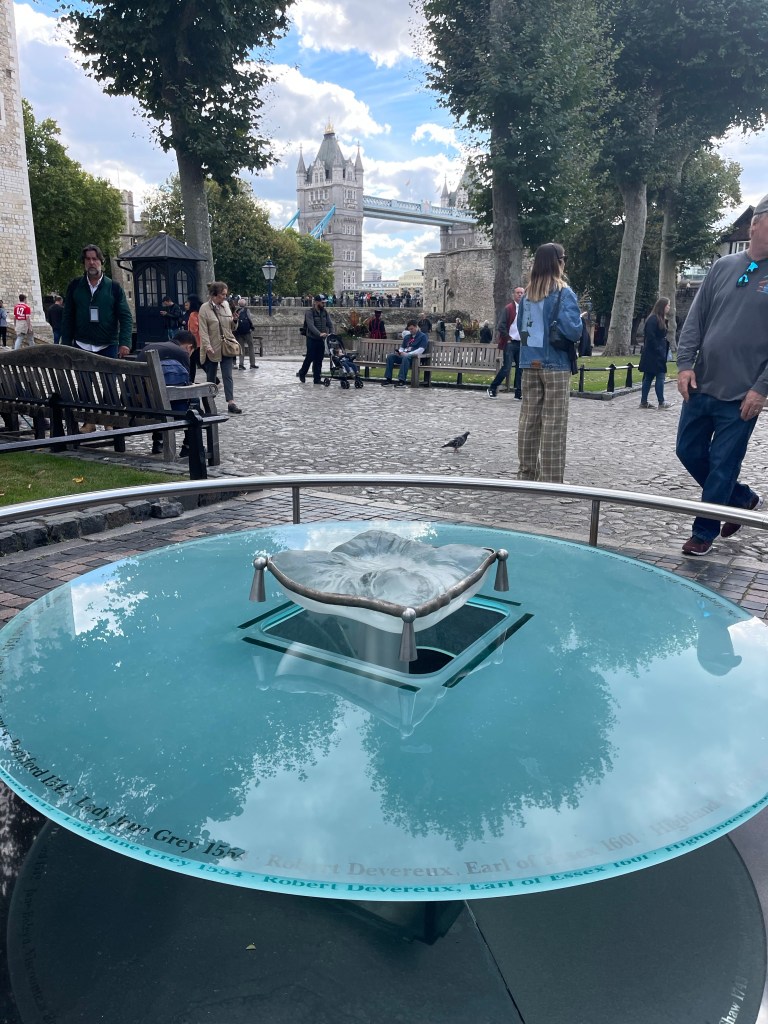
Below is the lovely marker on the approximate spot of those 13 executions. Of course Anne Boleyn and Catherine Howard were executed by their loving husband Henry VIII. Lady Jane Grey, who was named by Edward VI (Henry VIII and Jane Seymour’s son, crowned at the age of 9 and dead six years later) as his heir. She took the throne reluctantly and was at the Tower preparing for her coronation when Queen Mary (yes, Bloody Mary), swept in and deposed her, charging her with treason. She was executed. Honestly, the sketchiness of living during these times. One day you’re about to be coronated, the next you are charged with treason and Bob’s your Uncle. It would have been challenging to make plans.
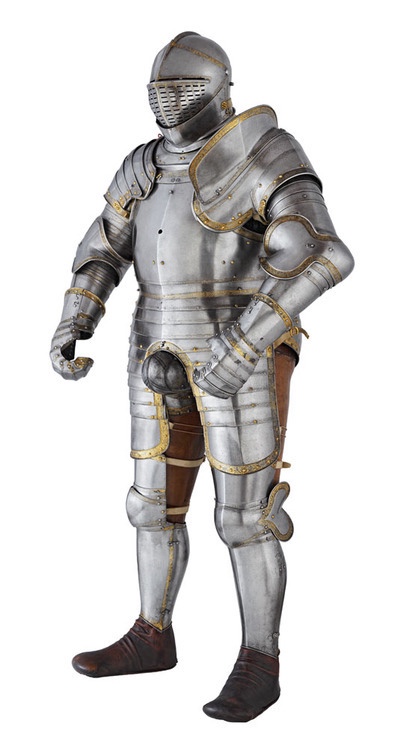
Finally, (I swear), one can also view many, many coats of armor at the Tower, two of which were worn by Henry VIII, one during his younger salad days, and one when he became QUITE overweight after a jousting injury left him unable to exercise (if you need a new excuse, please feel free to steal this one). That’s the armor you’ve all seen with the ridiculous giant penis extending straight on till morning, I guess to compensate for the tubbiness. After you get over that silly sight, you realize how tall he was for his time – over six feet.
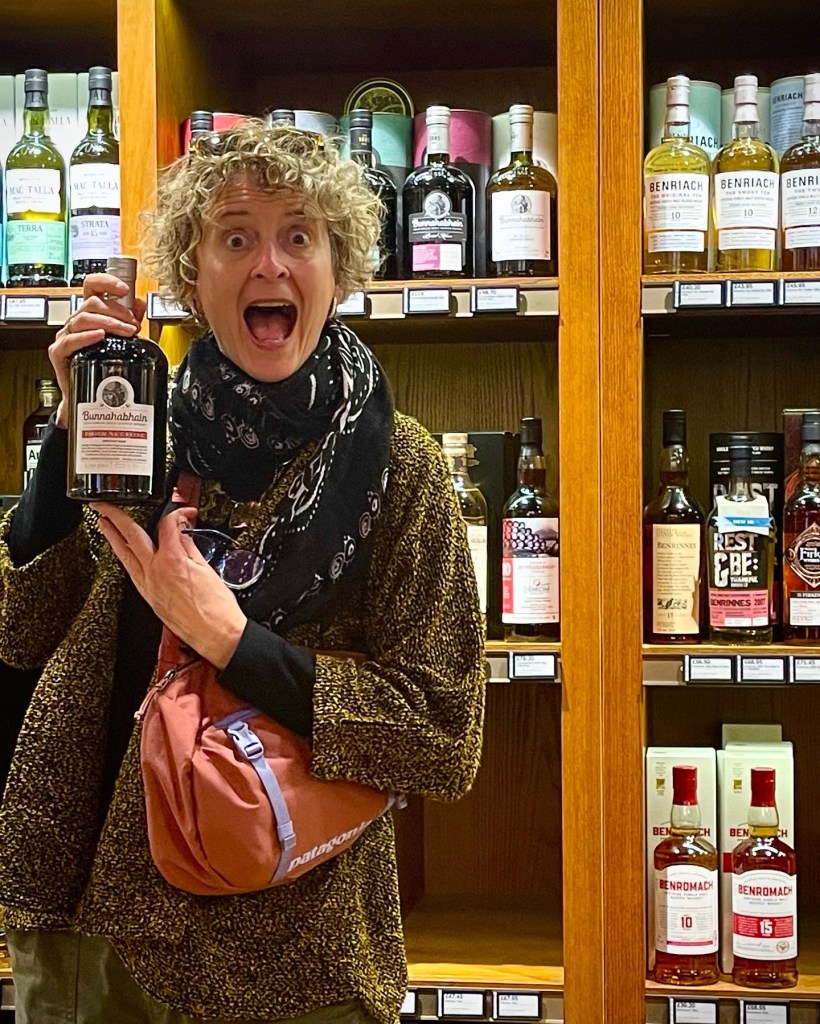
We ended the day with a visit to the Whisky Exchange in Covent Garden where I was in my happy place with literally walls and walls of scotch.

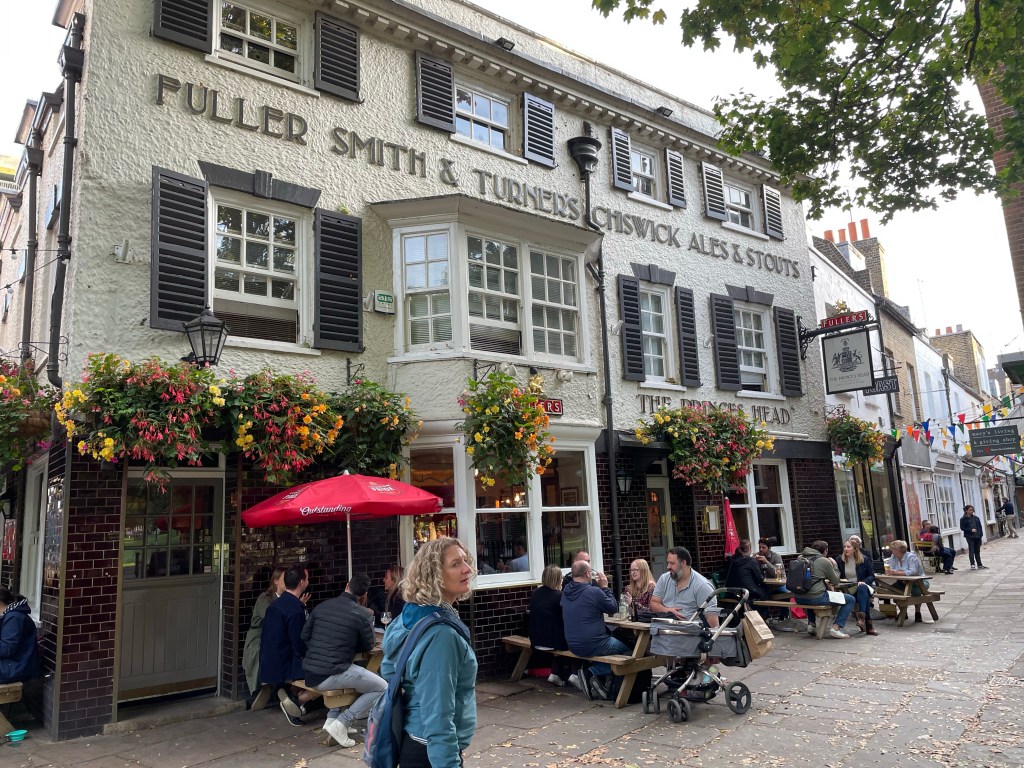
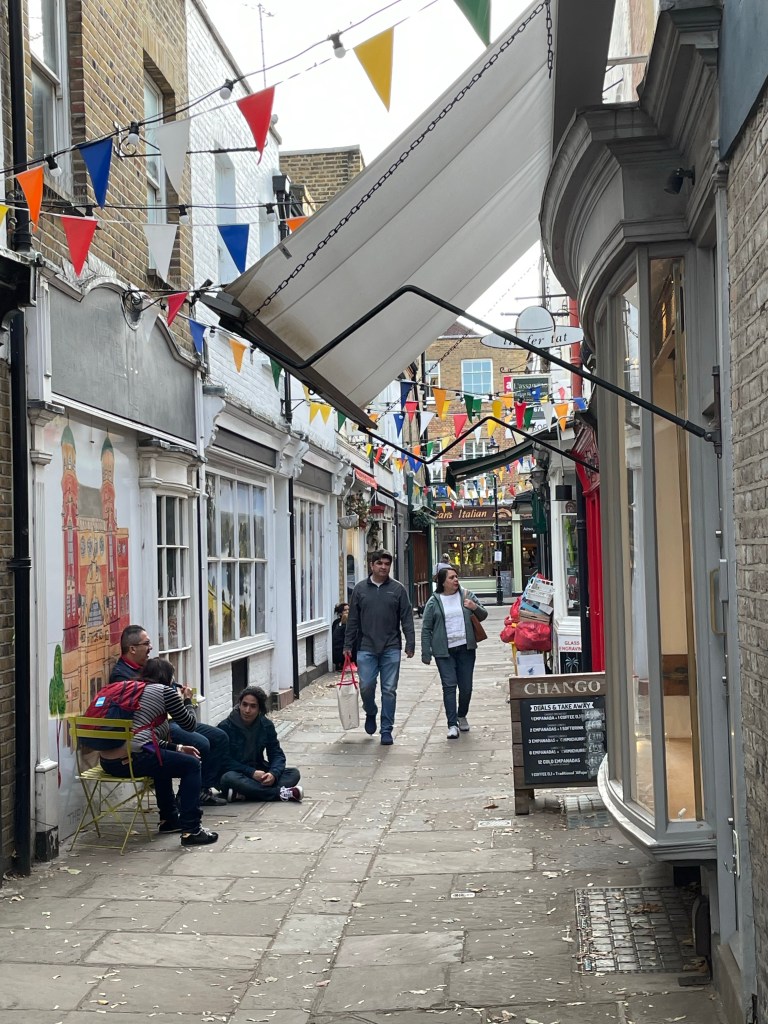
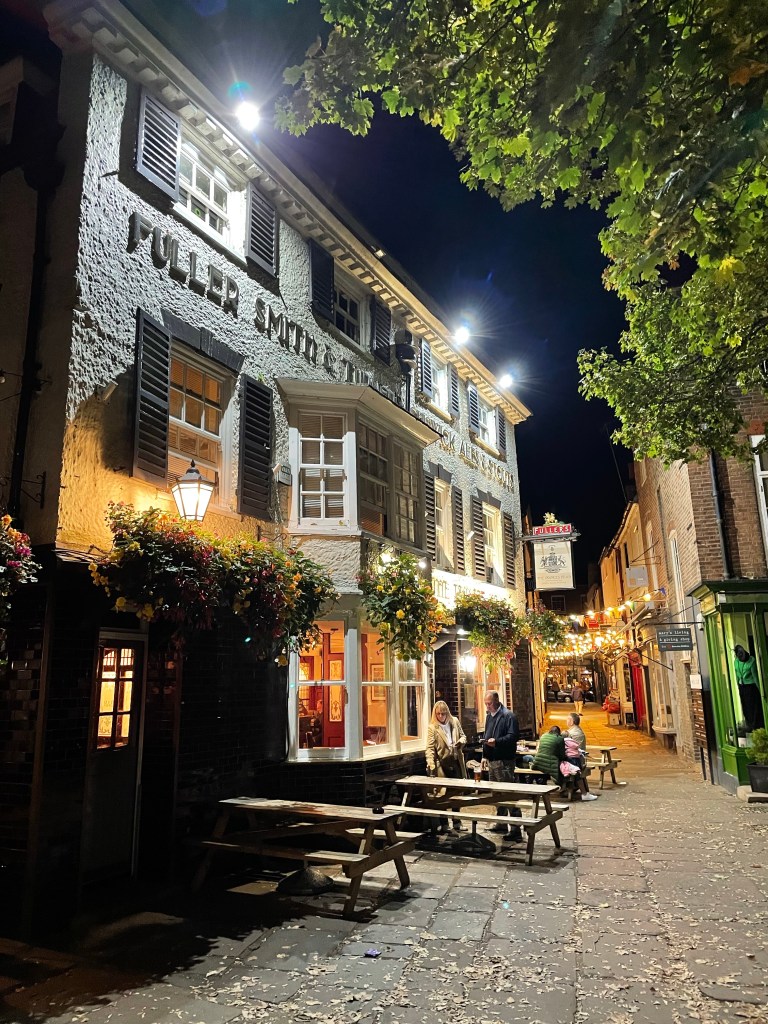
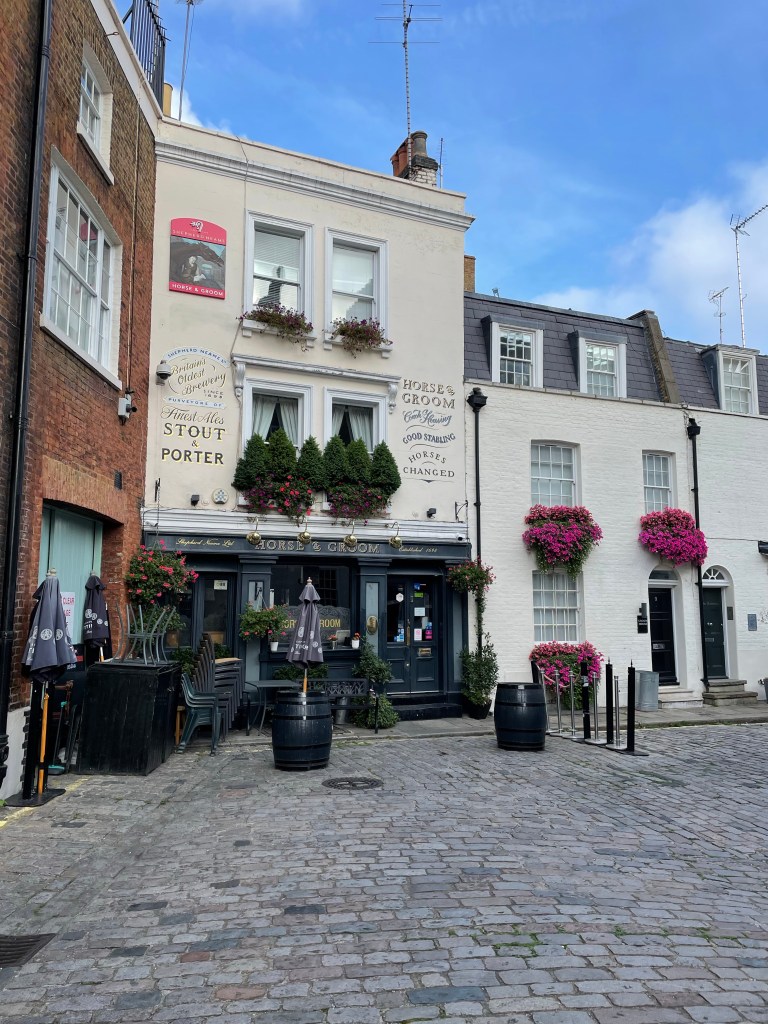
Finally, we called a Bolt and drove away from the city in an epic rush hour extravaganza. We had decided to visit Richmond for a little Ted Lasso pilgrimage. It took us an hour to get there, and all the while we wondered whether it was worth it. And it really was. The pub and the street where Ted lives in the show look exactly as you would hope. No tshirts, no marker, just a normal neighborhood pub and a beautiful street. Richmond is charming and by and large appears to have ignored the entire thing.
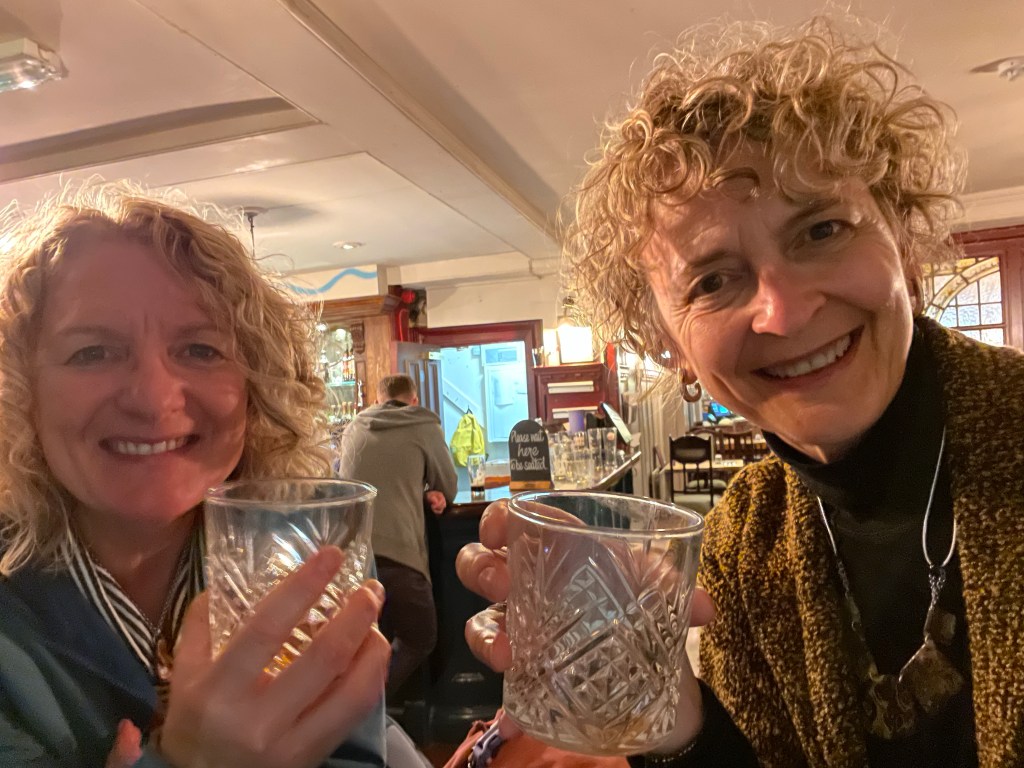
Cheers to you all, thanks for being patient with the history geek-out. Heading to the Lake District for a big hiking trip – a place steeped in beauty as well as history – Vikings, Beatrix Potter, William Wordsworth and the invention of gingerbread for a start – but mostly, for us, hiking. Ta!










 Wee Dram of Scotland