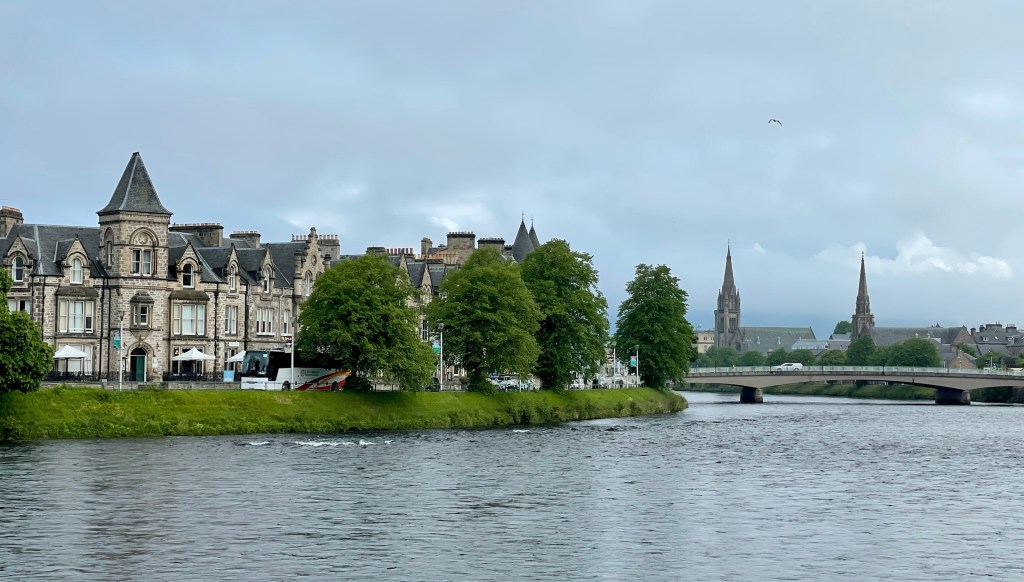
Back in Inverness, the first order of business was to bid a fond farewell to our faithful Dougal. I had grown quite fond of him despite the flaws he was born with – the back seat is worthless for anyone with legs, the hyper-annoying beepy lane monitor warning system, the cheaply finished interior etc. But I loved driving Dougal all over Scotland. I loved the entire experience, driving on the left, single track roads, no shoulders, glorious teeth-rattling potholes, all of it. Maintaining awareness of passing places, sorting out who should pull into one either by driving forward or backing up, and the subsequent mandatory wave to the other driver after you execute whatever you both silently agreed upon – it all makes navigating Scotland’s roads a delightfully communal experience. A very different situation than in the States where one’s car creates a bubble of isolation and basically drives itself.
Another driving-related thing I wish I could have shared with dad is the UK experience of getting gas. The pumps appear to be super-charged and sound like a jet engine when engaged – and they fill up your tank in literally ten seconds. Life-changer. Why can’t we have jet engine gas pumps? You can get your nails done while waiting for your gas tank to fill in the States.

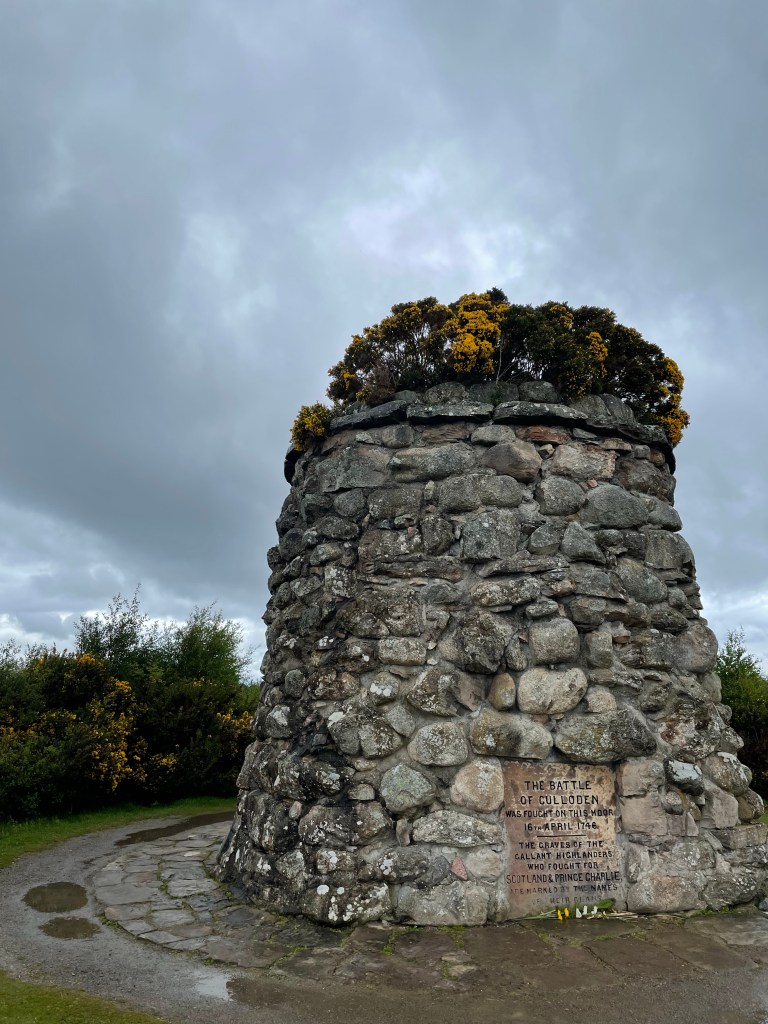
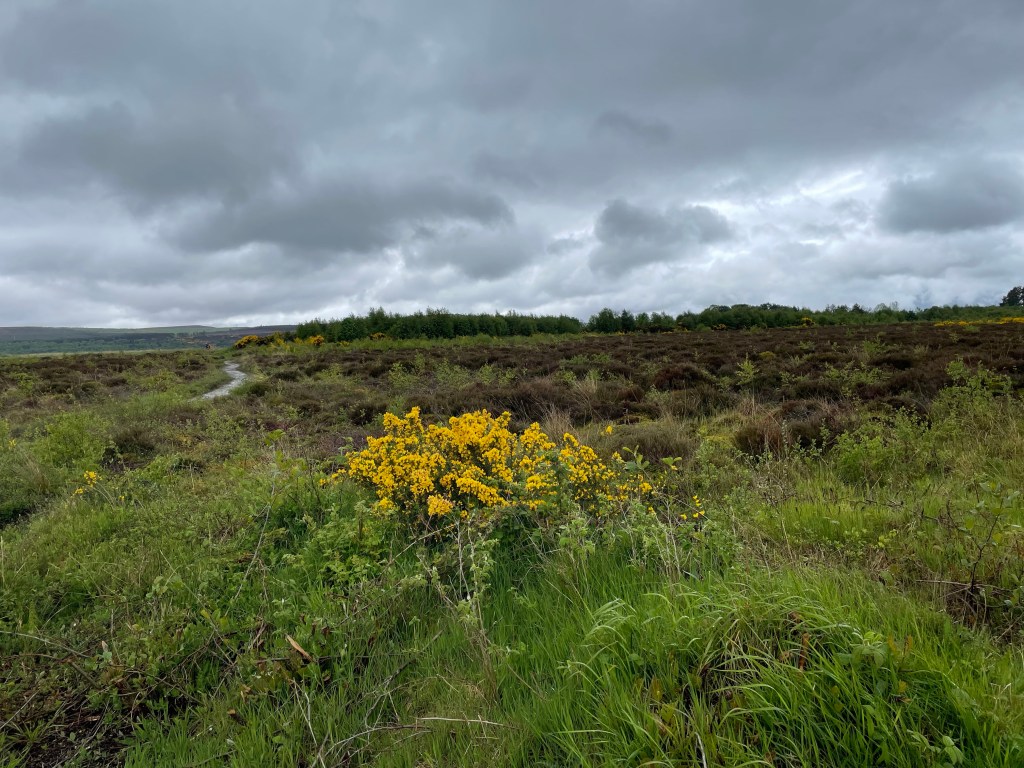
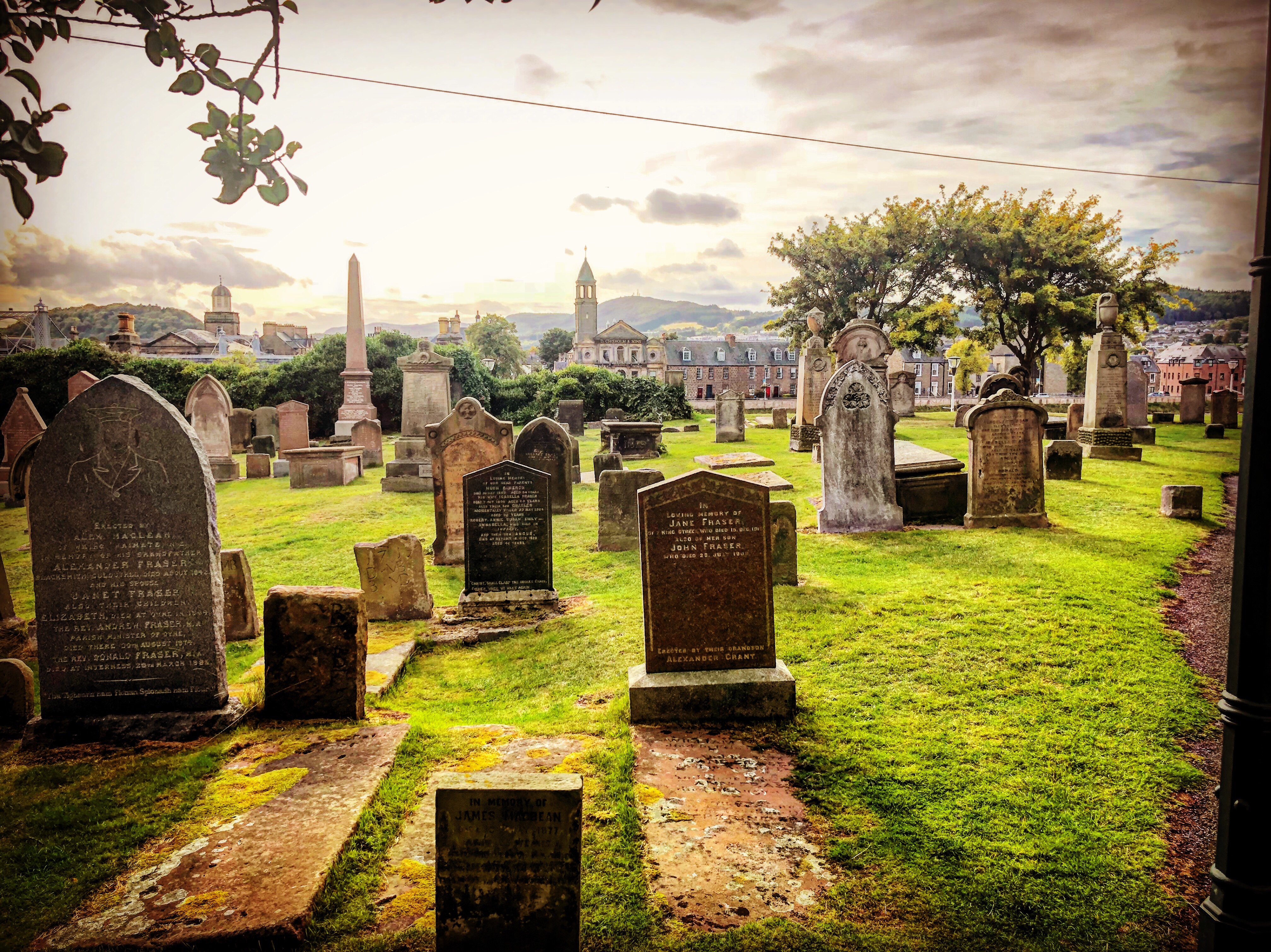
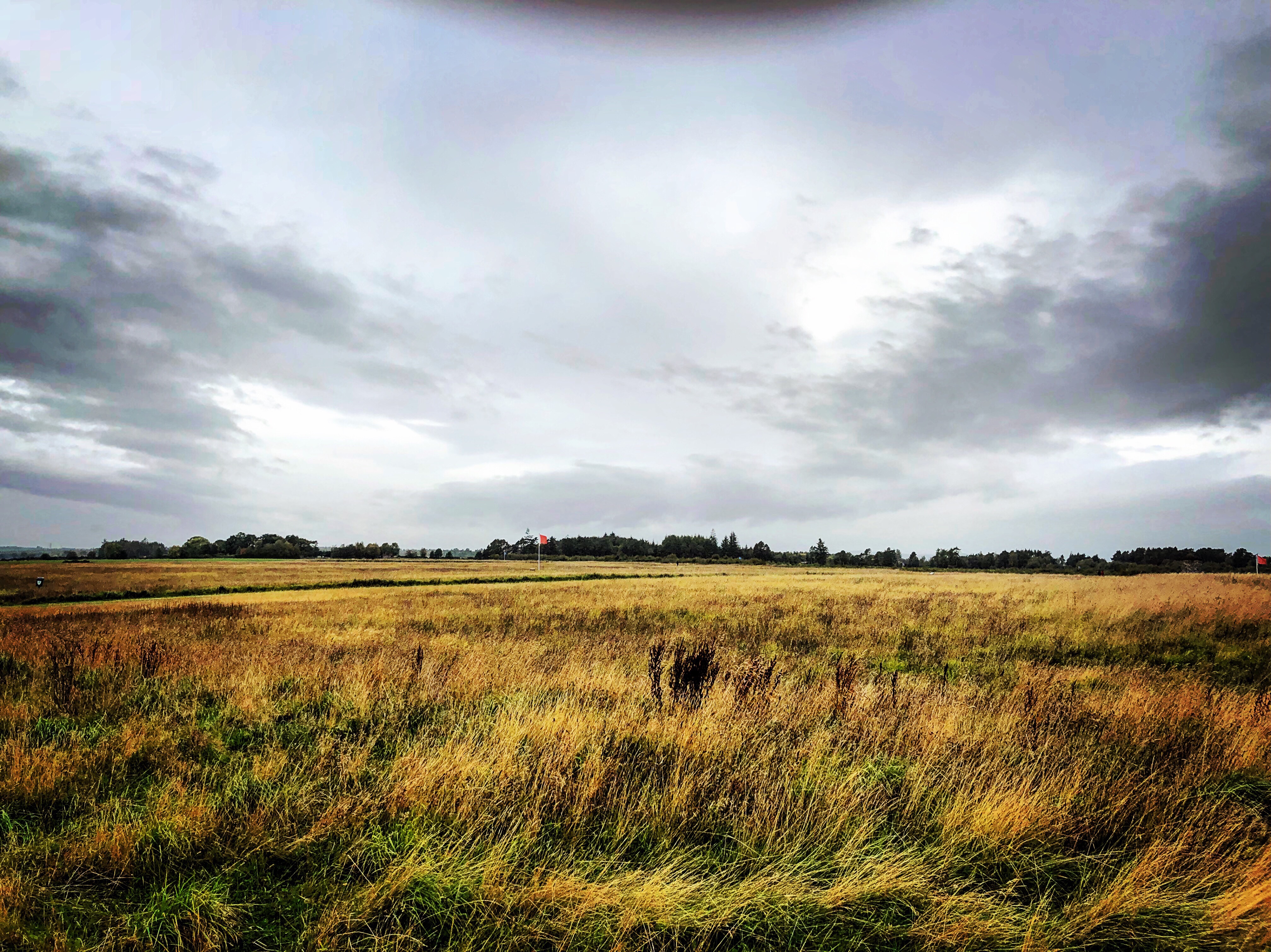
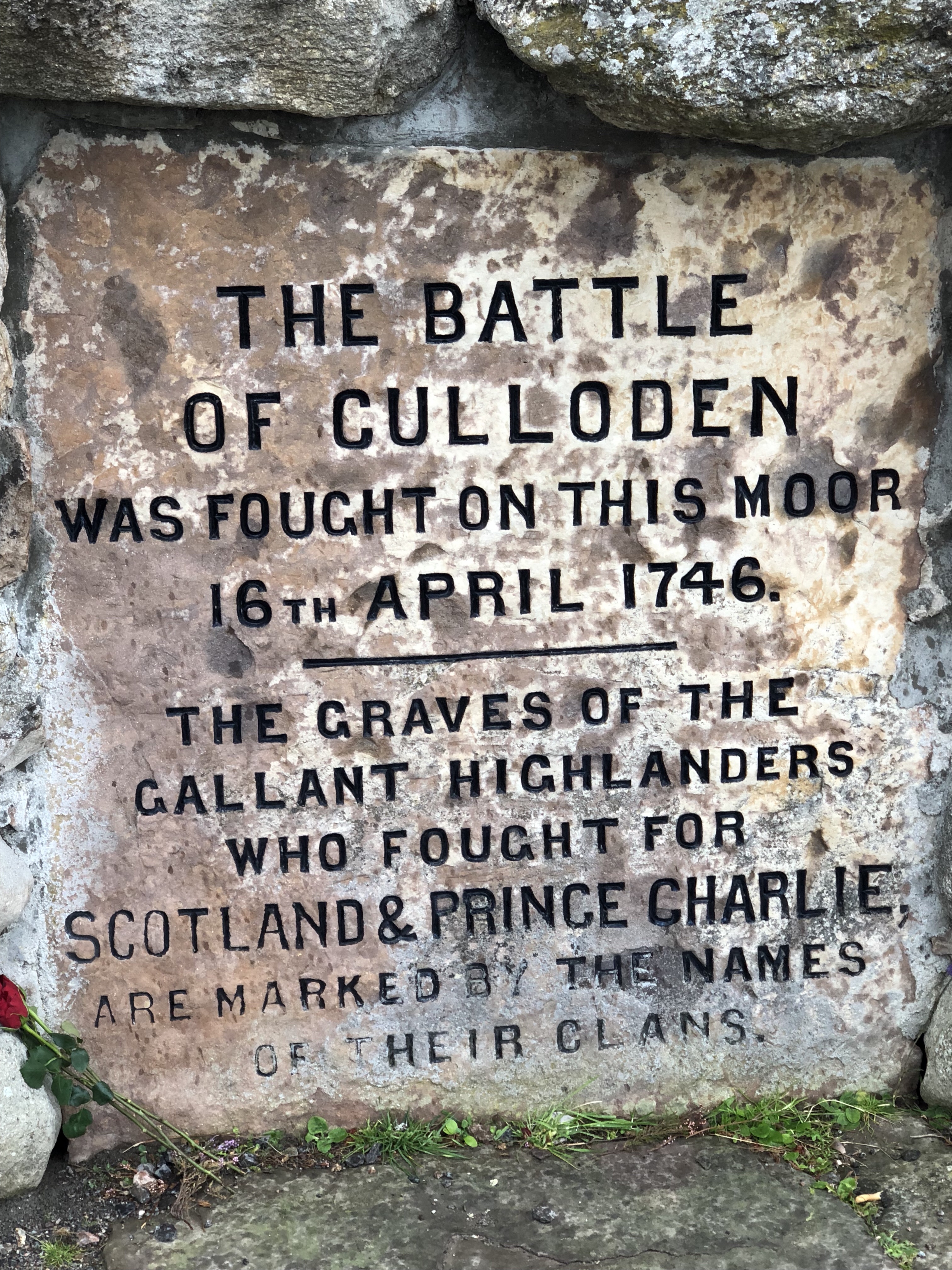
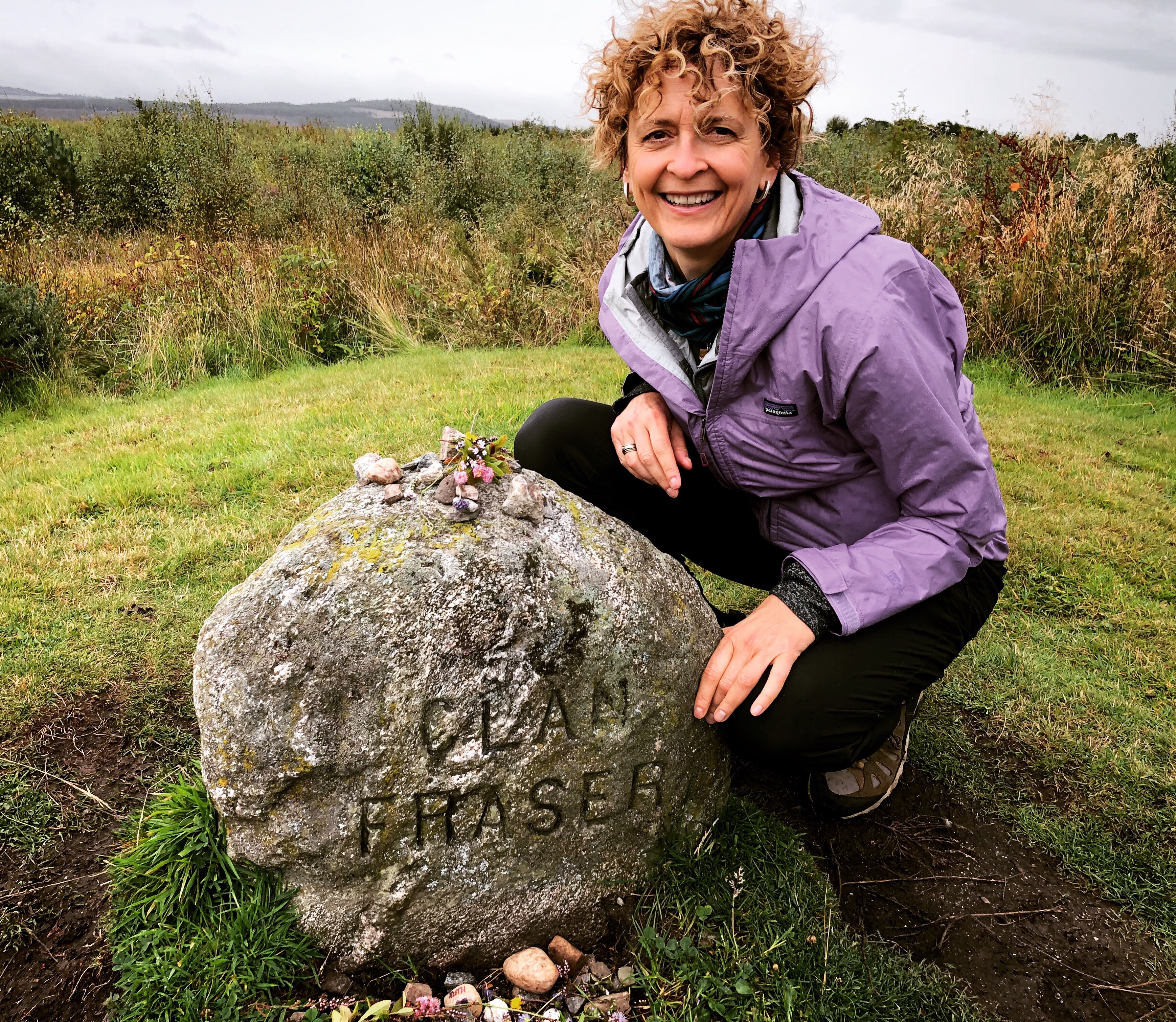
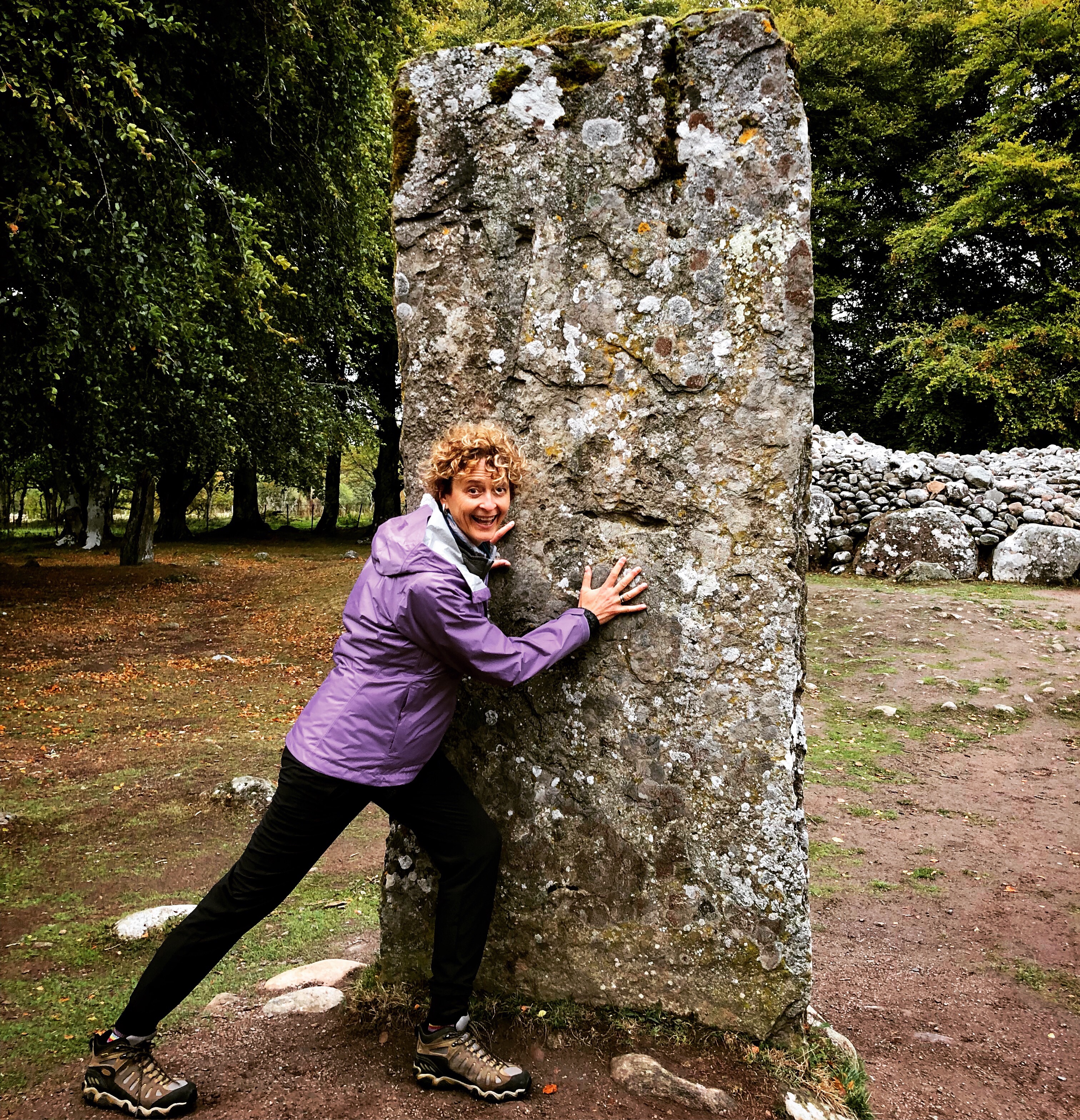
Before we relinquished Dougal, we visited Culloden Battlefield. This somber place is an incredibly rich and fascinating site. Since I wrote about it extensively during my last trip, I’ll simply leave you with a couple of photos.
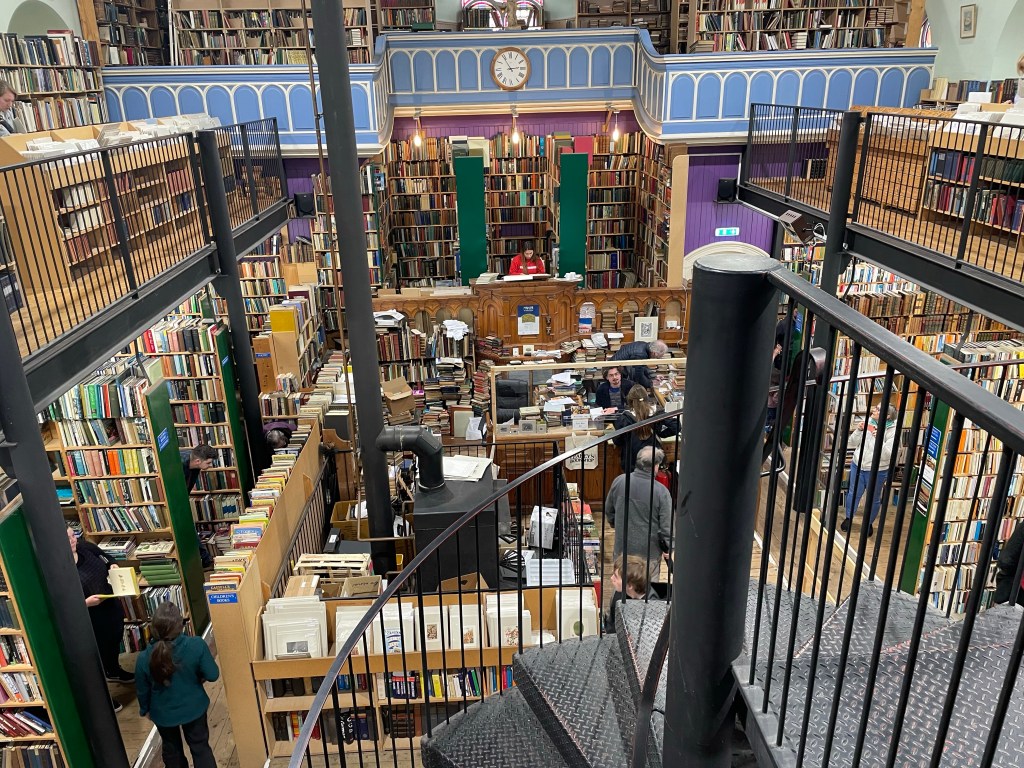
We spent the afternoon puttering around Inverness in the rain, visiting Leakeys, its famous used bookstore. In addition to books they have bins and bins of prints and old maps, all “guaranteed” to be over 100 years old. OK maybe but does it matter really? I bought three.
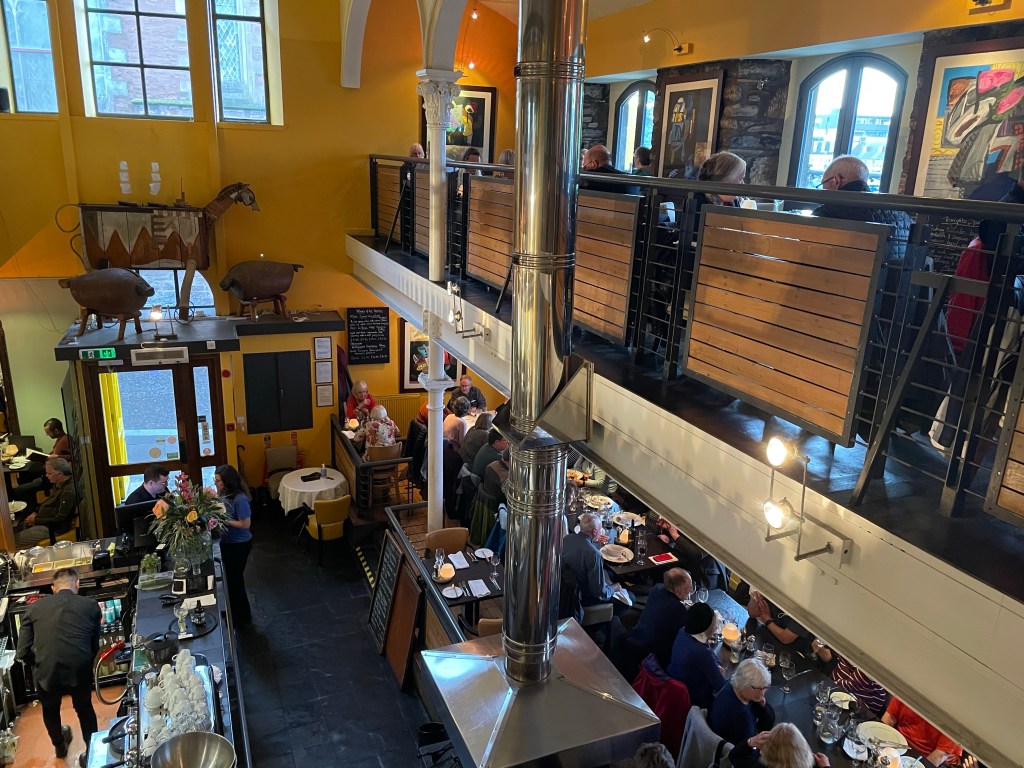
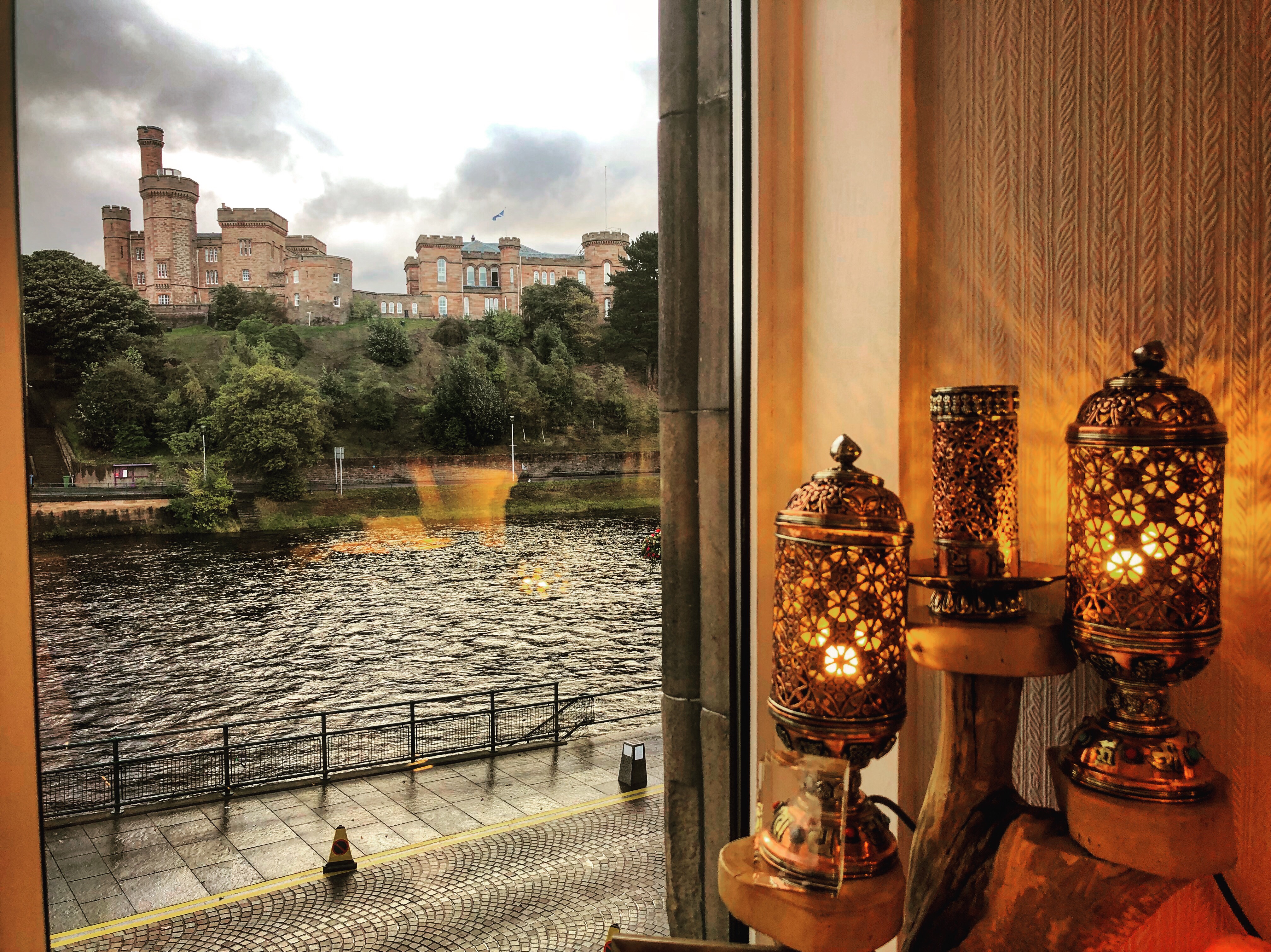
I was excited to have a birthday-eve dinner at Mustard Seed, my favorite Inverness restaurant. Apparently I have my own table there, as they seated me exactly where I enjoyed a lovely meal in 2018. Maybe it’s the designated Mysterious Woman Eating Alone table. It has a nice view of all of the proceedings.
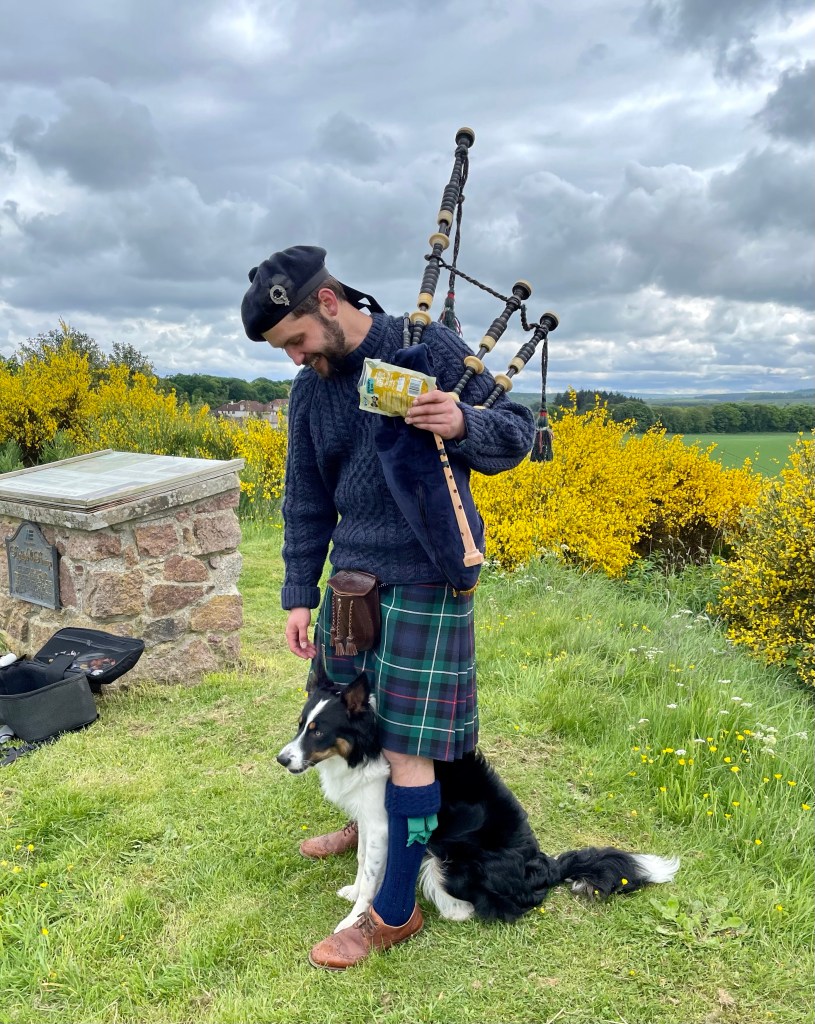
And last but certainly not least, for my last full day in town I booked a tour with one Andrew Grant MacKenzie, who arrived to collect me with a kilt, a border collie named Sonas and bagpipes. Andrew is a legit historian and archaeologist, so he’s basically Indiana Jones. He’s also fluent in Gaelic (pronounced gallic, not gay-lic as it is in Ireland, similar to the whisky/whiskey thing). We had arranged a tour along the Moray Coast, east of Inverness, which Andrew dubbed, “Picts, a Wolf and the Covenanters.”
Andrew managed Culloden Battlefield for years for the National Trust of Scotland. He actually met with Diana Gabaldon as she was doing research for Outlander. (Segue: I eventually admitted to him that I had partaken of a Rabbies Outlander tour during my last trip which was a super embarrassing thing to disclose to a historian but he didn’t seem to judge.) He said that Culloden staff were the first people in the UK to see Outlander – it was released in the US first and Americans started visiting with particular questions about a fictionalized version of the ‘45 rising which the staff couldn’t answer, not having seen the series. I’m imagining fans asking to be shown the spot where Jamie and Black Jack Randall engaged in fatal hand-to-hand combat. Hopefully not, as both characters are 100% fictional but people are weird. Anyway, STARZ sent over the first two seasons and all employees had to watch it. Of course Diana’s tale is mostly about the love story, not a historically accurate depiction of events sufficient to pass muster with folks who live and breathe Culloden. Still I would have paid a lot of money to watch them watch Outlander.
Andrew also seemed to know everyone in Scotland – he knew the crazy guide we encountered on the aforementioned Outlander tour who had armed his little old lady passengers with plastic swords and reenacted various scenes (see previous blog), he knew the bagpiper Backroads arranged for us during that tour (ditto), he’s talked to the head of Visit Scotland about infrastructure issues related to the North Coast 500, and he has been invited to ceilidhs attended by members of the Peatbog Faeries. He also worked at Cawdor Castle for a while and so of course knew Lady Cawdor.
By now you are getting Andrew’s general awesomeness. And so onto the tour we go. He first drove us to Sueno’s Stone, the largest and most spectacular of the many carved stones that have survived from Scotland’s early medieval period. It stands about 21 feet high and is encased in a giant protective display case. Continuing in the Pictish vein we next traveled to Burghead, a quaint little town located on a spur of the Moray peninsula where a Pictish fort was located. You could see Orkney from the site.

Our next destination was the ruins of Elgin Cathedral, the place that our friend the Wolf of Badenoch (remember him?) burned down. I was picturing a quaint medieval chapel when it was actually more akin to Westminster Abbey.
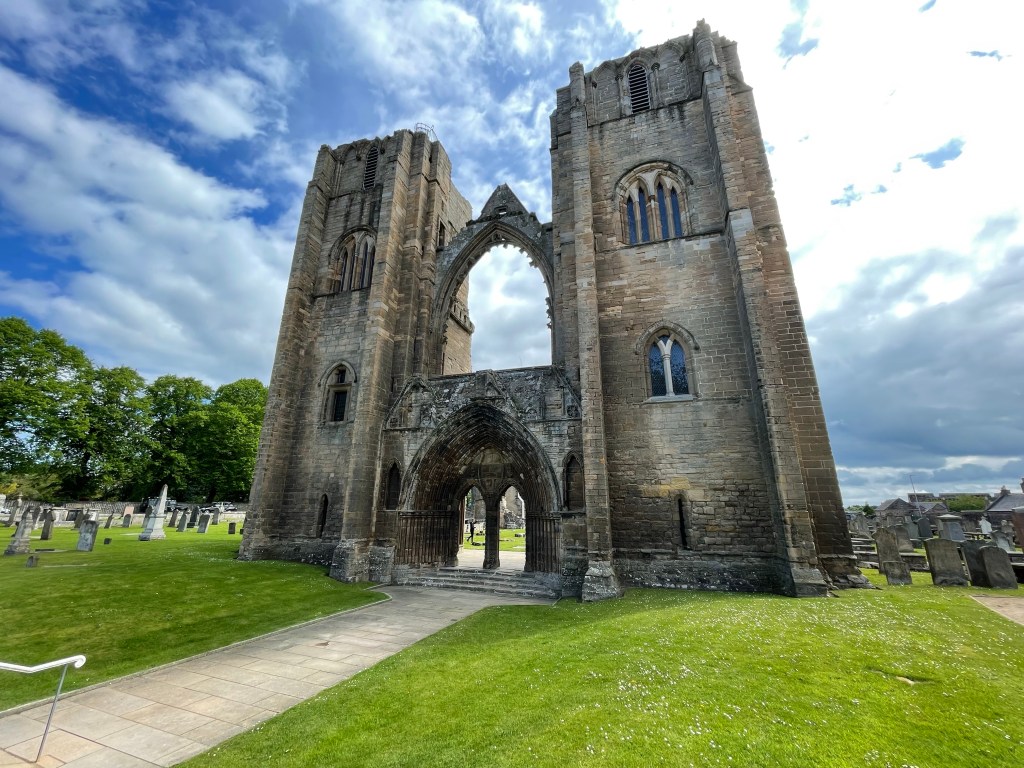
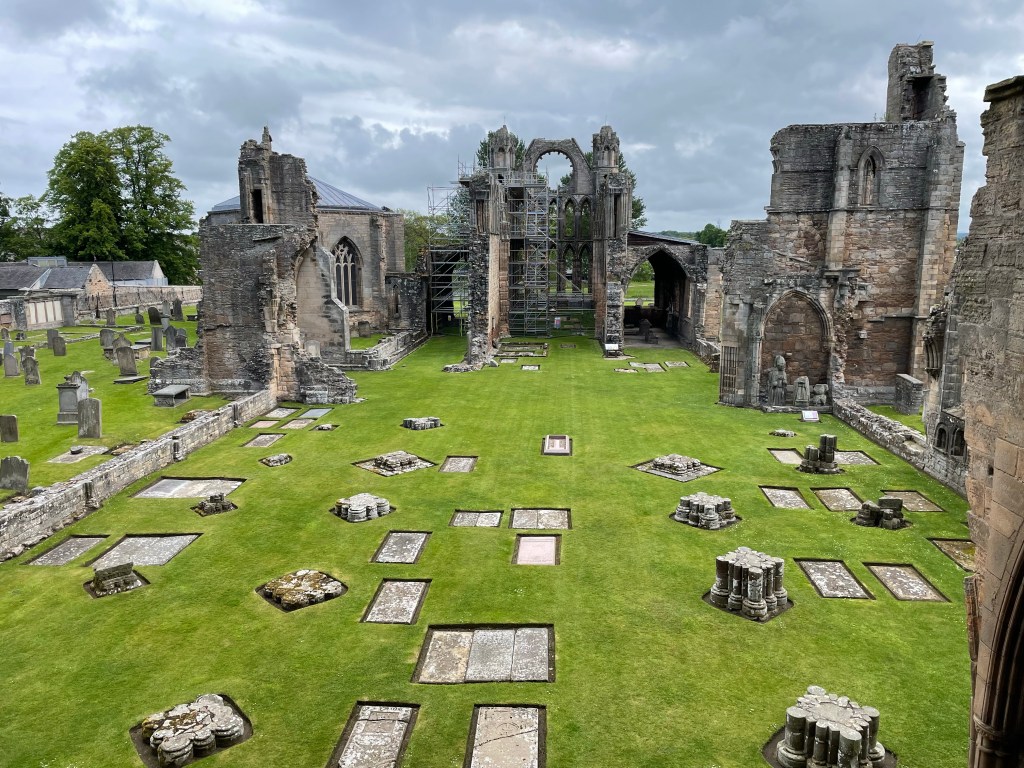
The cathedral is a massive and gorgeous site. There’s one room with a domed ceiling, glass windows and perfect accoustics, which Andrew demonstrated via the dulcet tones of his singing voice.
After having lunch at Cawdor Castle Cafe, we finished the tour at the Auldearn battlesite. As a historian, Andrew cares a lot about this battle and doesn’t understand why more people don’t visit the site. Perhaps our friend Diana could do something about that although be careful what you wish for. The 1645 battle was fought between a Scottish Covenanter army allied with the English Parliament and the Royalist forces of Charles I. Covenanters were folks who signed the National Covenant in 1638 to confirm their opposition to the interference by the Stuart kings in the affairs of the Presbyterian Church of Scotland. The Stuarts believed all of that divine right of kings stuff and that monarchs were meant by God to be the spiritual heads of the Church of Scotland instead of that other guy Jesus. This was a sticking point even for Scots who supported the Stuarts. Andrew said it was the first time a battle had been fought between Gaels over an idea rather than land and resources.
In the peace and solitude of the ancient battlefield, Andrew liberated his bagpipes from their case and played an evocative and mournful tune about the battle itself. It was achingly lovely and sad. From the sublime to the you-know-what, his encore was a song you might recognize in honor ME GETTING EVEN OLDER.
Over the course of the day we had some great conversations about history – and even delved into politics. Andrew said that most Scots struggle to comprehend what is happening in the States currently with MAGA, the insurrection, guns, individual rights and so on. Yeah same same.
We talked about the horrific 1996 Dunblane massacre, the deadliest mass shooting in British history. Sixteen students and one teacher were killed, with fifteen others injured. Directly afterward, Parliament passed two new firearms acts which outlawed the private ownership of most handguns within the UK, together with a buyback program. Thousands of weapons were incinerated. As we know, there have been no further mass shootings with a handgun in the UK since, even though we are told by NRA experts that guns don’t cause these horrific things. UK residents can still own hunting rifles, of course, but they are registered and owners must keep track of their shots. The guns are inspected every year to make sure the owners’ reported number of shots match the number of times the gun was actually fired. Can you imagine the cascading exploding heads in the States if something that restrictive were enacted? I guess in some countries the bother and inconvenience is worth not having people and children regularly mowed down by military-grade weapons. Imagine.
Andrew also talked about a few Gaelic concepts that inform his life and business. The words are about the sense of belonging to a place and to a people. There is no English translation. They resonated with some of the things I’d been thinking about and experiencing on this trip around why I feel so in sync with the hills of Scotland while lately feeling less connected to my home in Oregon.
Dùthchas is the connection to one’s ancestors, their lives, stories, the ground they lived on and one’s physical and emotional connection to that ground. I think ancestors can mean either a spiritual or blood lineage. Cianalas is the longing for dùthchas when you aren’t there. It’s a mournful longing but it’s not sad. Caim is the belief that wherever you are and whatever your current situation you can gain strength from encircling yourself in that longing and that connection to your dùthchas. Sonas is the sense of completeness and comfort you feel when you drop into dùthchas, cianalas and caim. These concepts echo throughout yogic/eastern spiritual traditions as well. My yoga teacher talks about his own spiritual lineage in the same way. I can’t explain why, but I feel and experience the truth of it.

If you find yourself in Scotland, consider Andrew and Sonas as guides. You can find more information about them at http://www.highlandhistorian.com.
I capped off this perfect day with a birthday dinner at Rocpool. After dinner I ordered an affogato because it’s unquestionably the perfect dessert. It arrived with a road flare in celebration of ME GETTING EVEN OLDER.

And now for the journey home. Let’s dispense with COVID. For the first time since the pandemic started, I let down my guard during this trip and didn’t don a mask the entire time I was in Scotland, throwing caution to the winds as it were. With bated breath, I took the test with the tele-health person monitoring. Negative. Never been happier to see a single red stripe.
And now for my dicey short layover in Schipol. I had an hour between my Inverness flight landing at Schipol and my flight to Salt Lake taking off. Not boarding, mind you. Flying away. As we sat on the runway in Inverness, I was feeling all the appreciation for how quickly Europeans get their asses settled onto airplanes. Everything was proceeding apace until, of all things, they couldn’t get a cargo door to latch properly. As time ticked by, inexorably shortening my layover like slow drips from the faucet of doom, I was about to volunteer to sit in the hold during the flight so I could keep the door closed with my body. Then, behold, the pilot took matters into his own hands and asked for the ladder to be brought back to the airplane so he could descend to the tarmac and “take a look.” He emerged from the cockpit, a burly central casting Viking with red hair, marched down the steps and totally took care of it. I need someone like that around me at all times.
So we arrived in Amsterdam a half an hour before my next flight. I was surprised to hear as we landed that only one connection was blown, a flight to Boston. I was instructed to “go right to the gate” for my Salt Lake flight. YES BY HELL I CAN DO THAT. The airplane landed in the “curtain” area of Schipol which is basically New Jersey, with a stinky bus that takes you to the terminal. I hit the ground running and arrived at the empty gate panting in a most unladylike manner and entirely disheveled and having to pee but I had apparently made it in time.
Ah but not so fast. The gate agent looked at my flight information in the system and reacted with a puzzled expression. She showed it to all of her gate agent friends and they were also visibly taken aback, shrugging their shoulders and saying things to one another in Dutch. What what what? I found out later that KLM, in its infinite wisdom, had decided that since my flight was delayed I ergo missed my connection and so they had rebooked me on the same flight the following day. Before my feet had even hit the tarmac. Like declaring someone dead when their heart is still beating.
So the lead gate agent (I presume) was summoned and he started calmly typing into his computer and talking on the phone. In Dutch. I still had zero idea what was happening. He finally looked at me and said, “Don’t worry, that plane is not going anywhere.” OK phew. Bless you sir.
Relaxing, it was then that I fully noticed the short t-shirted paunchy drunk dude standing several feet away and surrounded by no less than four tall, fit and woah quite handsome security agents. I gleaned that the drunk dude had been tossed from the plane due to stupid drunken behavior and it wasn’t the first time. And sad to say he was an American. Well of course he was.
He was doing that thing hammered people do, which is moving and gesturing very slowly while intoning super dumb things in an exaggerated rational-sounding tone. He of course had had two beers. From my years of lawyering, this exact quantity of alcohol is noted in every accident report. It’s a phenomenon really, that every single person who has ever caused a motor vehicle accident tells the cops that they have imbibed exactly two beers. Someone should do a study.
Anyway the dude was carefully explaining that he knew his own limits, that he was fine, that he hadn’t done anything wrong, that he would miss his daughter’s birthday party, and that he had had ONLY TWO BEERS. He also periodically dramatically extended his arm straight out in front of him and scolded the various security guys for not social distancing. For their part, the security guys appeared to be employing de-escalation techniques while at the same time trading spectacular insults with drunk dude. I literally think someone’s mother was mentioned at one point. The dude once tried to “get in line” behind me and I almost bodily moved the tallest and most woah handsome security guard so that he was more solidly between me and the dude.
Of course the dude was filming the whole interaction with his phone because obviously he’s going to file a complaint, so I might become famous as a background extra on social media.
Meanwhile the formerly calm senior gate agent finally exploded and yelled at the top of his voice, gesturing dramatically, spittle flying everywhere, for security to move the dude away because the whole drama was distracting him from getting me on the freaking plane. There was a spectacular amount of swearing. I was with him on this, and actually hoping the dude would be thrown into a Schipol holding cell where his fingernails would be slowly pulled out one by one. Do they have those? Do they do that? Hard to tell with those stoic Nederlanders.
Finally the dim light dawned and the dude managed to accurately assess the situation. He simply was not going to prevail either by his wits or physical prowess and so he wandered off down a moving walkway, throwing muddled parting threats over his shoulder. I said to my gate agent, “Americans are the worst.” He agreed so enthusiastically that I felt the need to add, as I hadn’t yet been given my boarding pass, “not me though.”
Anyway, once I triumphantly boarded the plane at last, the senior gate agent suddenly appeared onboard and high-fived me, saying none of it was my fault and asking whether I was happy. Don’t worry, why would I file a complaint about what ended up being a funny story I could share with you guys – and besides I AM ON THE PLANE.
Also, the thing is, the drunk guy was the reason the flight was delayed long enough for me to make it. They had to excavate and remove his bag. So, and I mean this from the bottom of my heart, thank you my dude. And I hope you find the help you need, for your daughter’s sake.
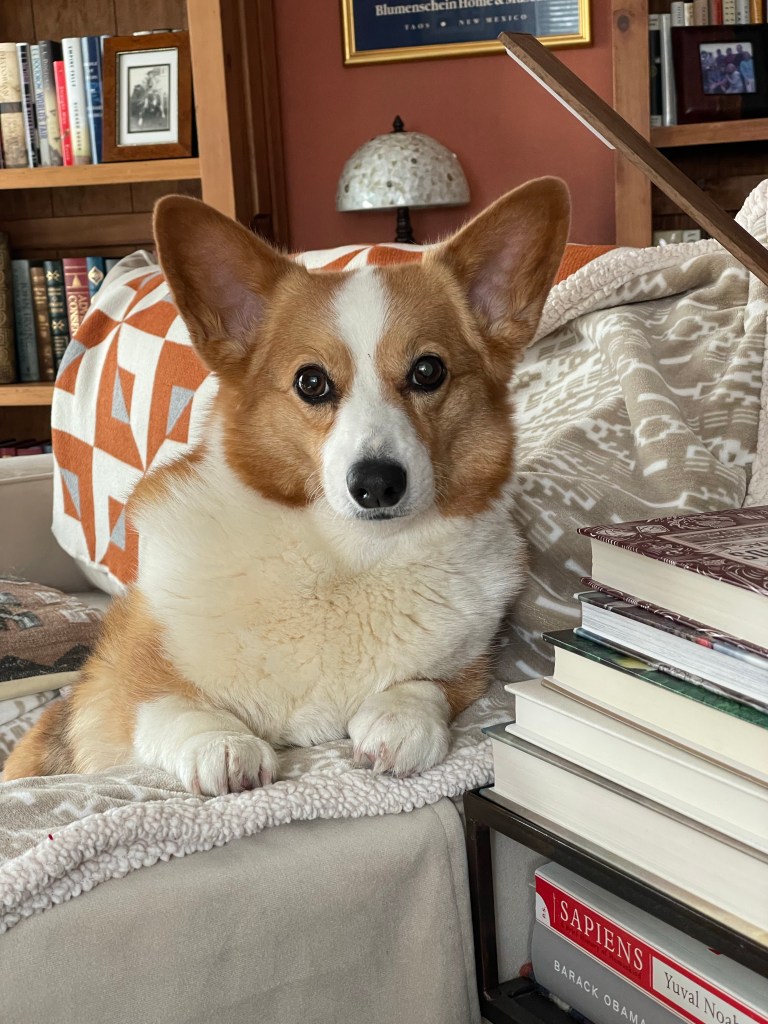
So after that wee bit of drama, I made it home with no further incident except my checked bag decided to remain in Amsterdam for a few extra days to see the sights. And except for the fact that I am no longer in Scotland, all is well. Best thing is getting to see this face.
I so enjoyed writing about my long-postponed trip and sharing it with you. Thanks for reading. I hope it inspires you to travel to Scotland or anywhere you feel dùthchas. Just don’t be a tourist.
And gird your loins, my friends, because I’m headed back to the UK in September.
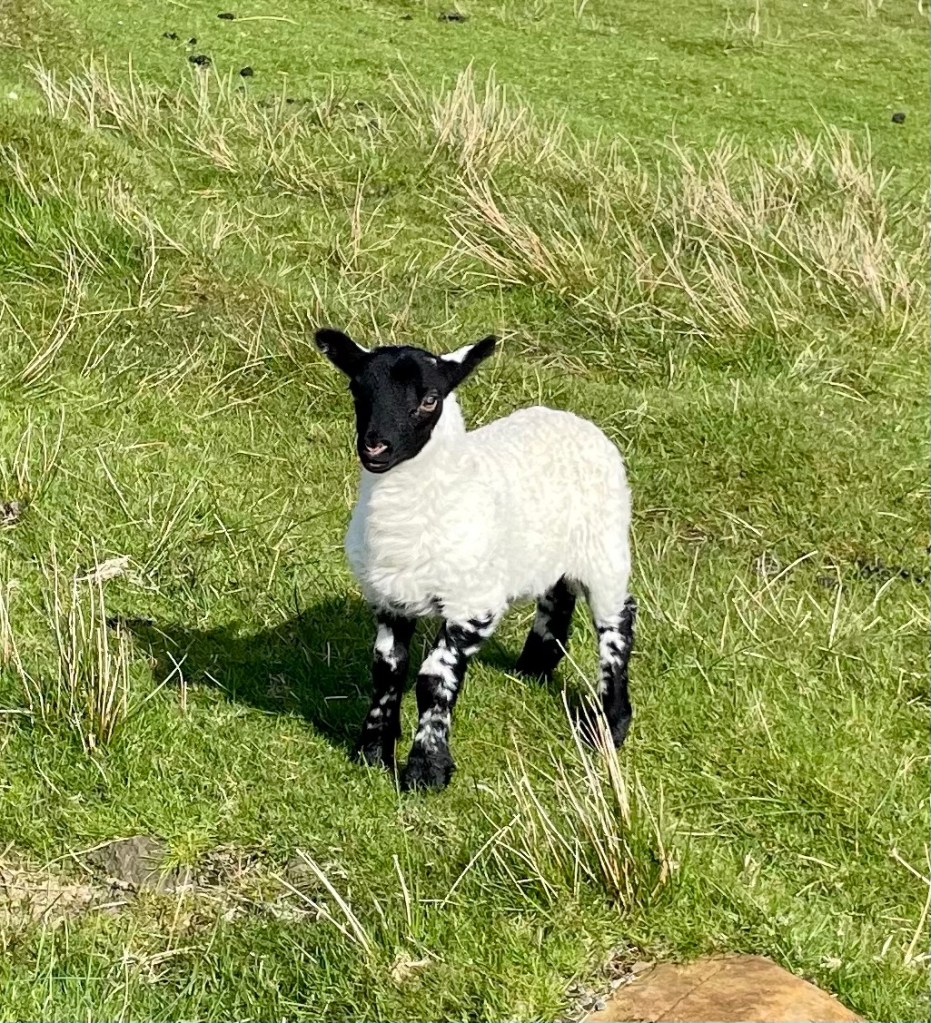
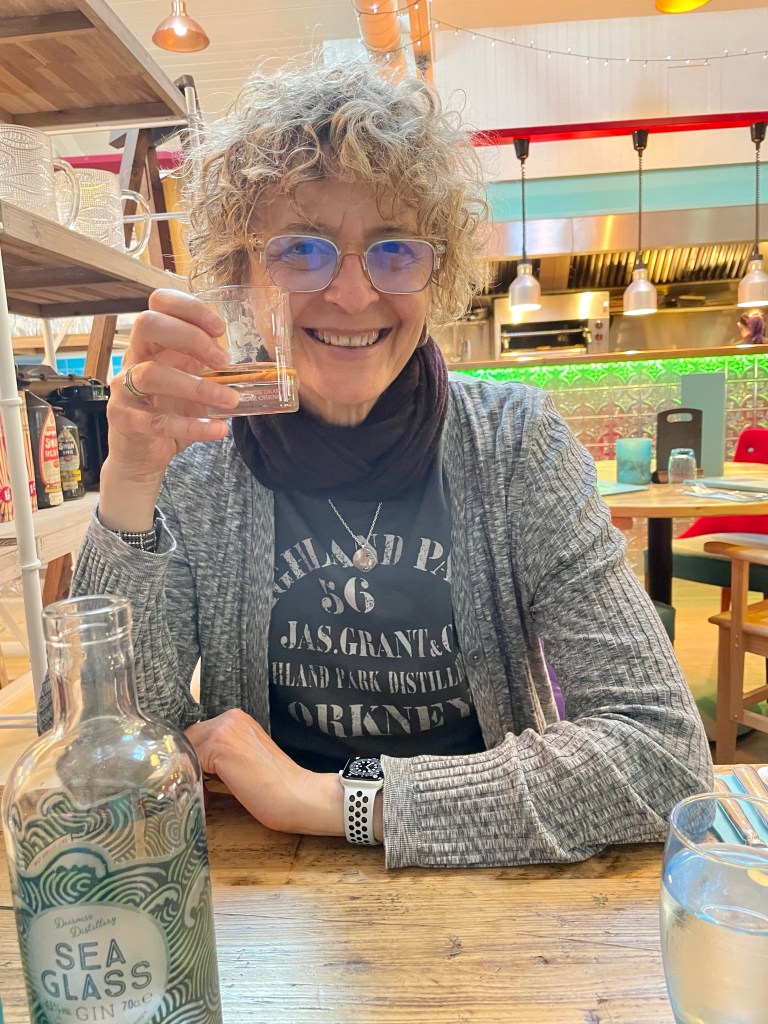






 Wee Dram of Scotland