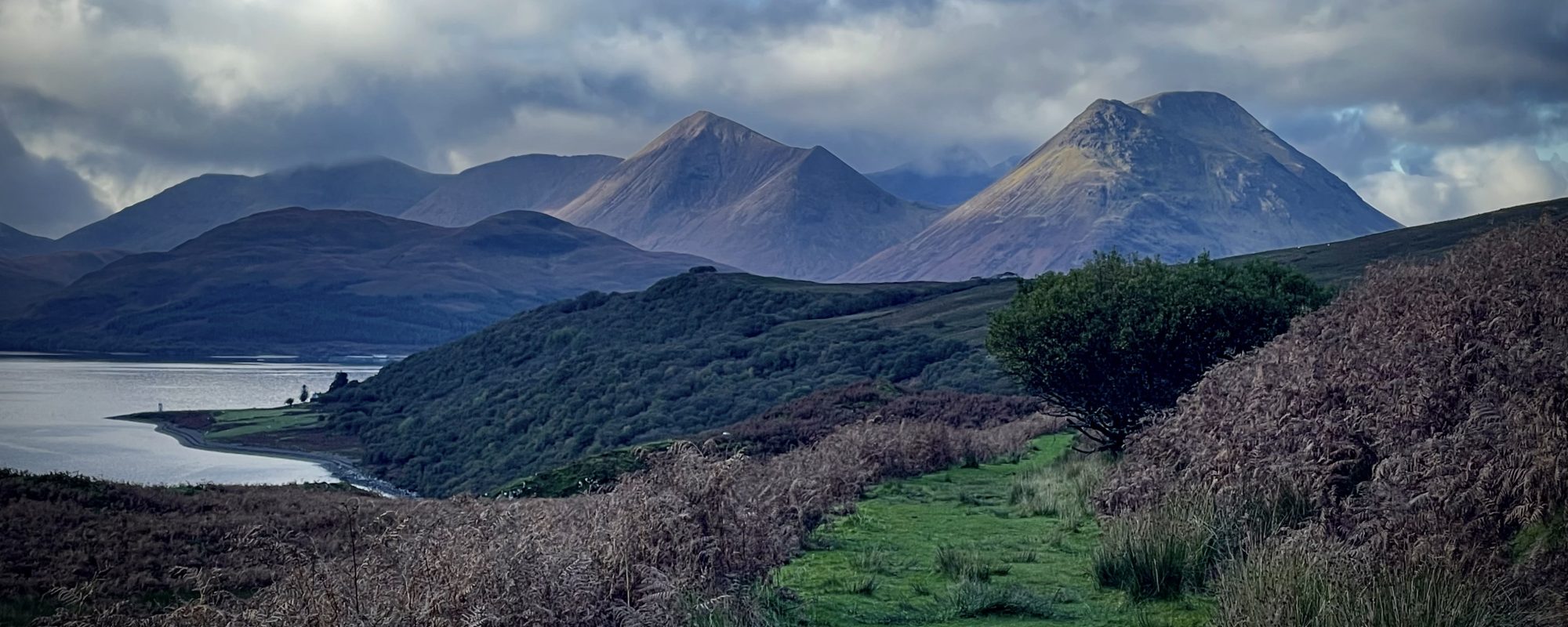
Bidding farewell to Edinburgh, it was time to catch a train to Inverness, known as the gateway to the Highlands.
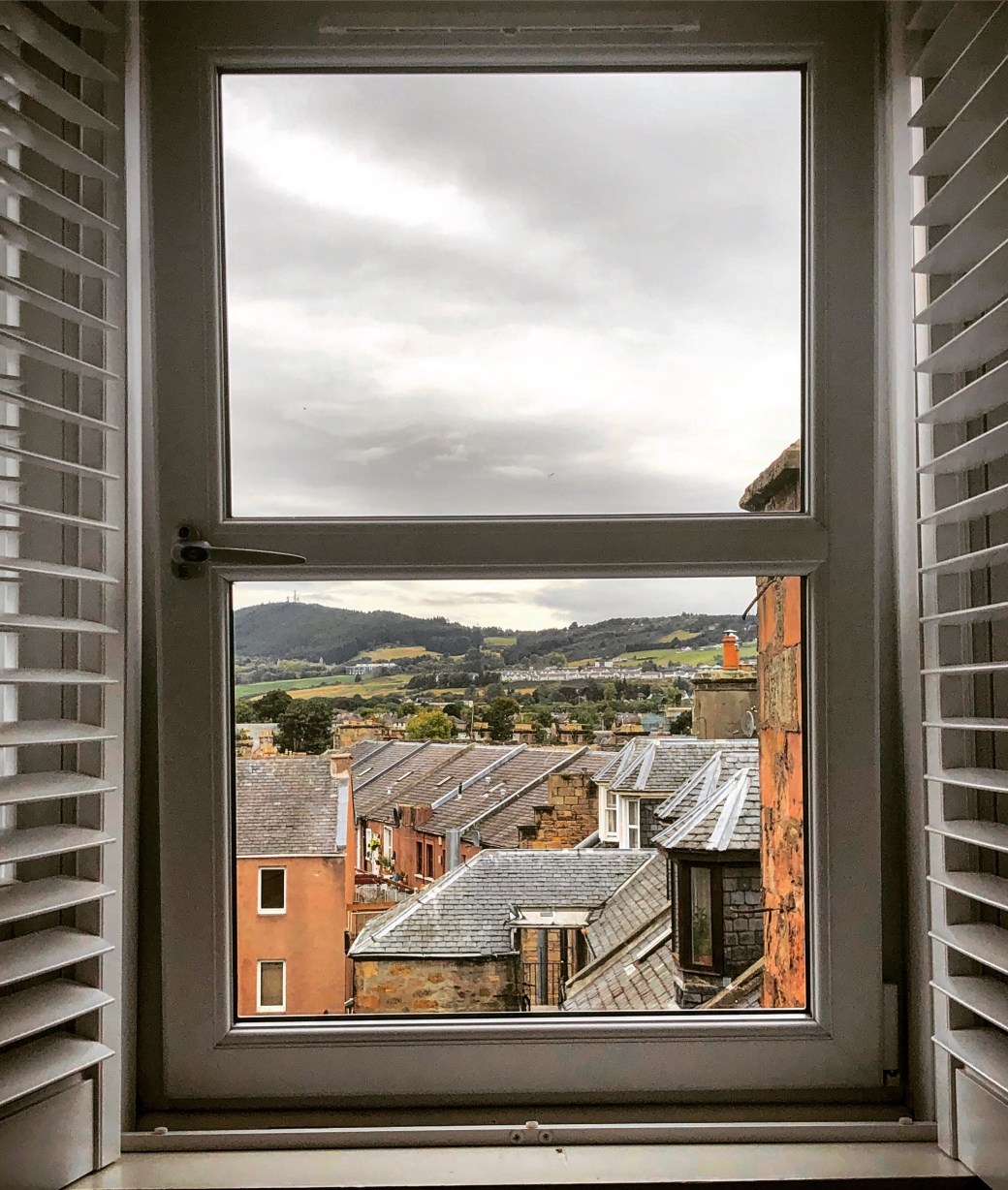
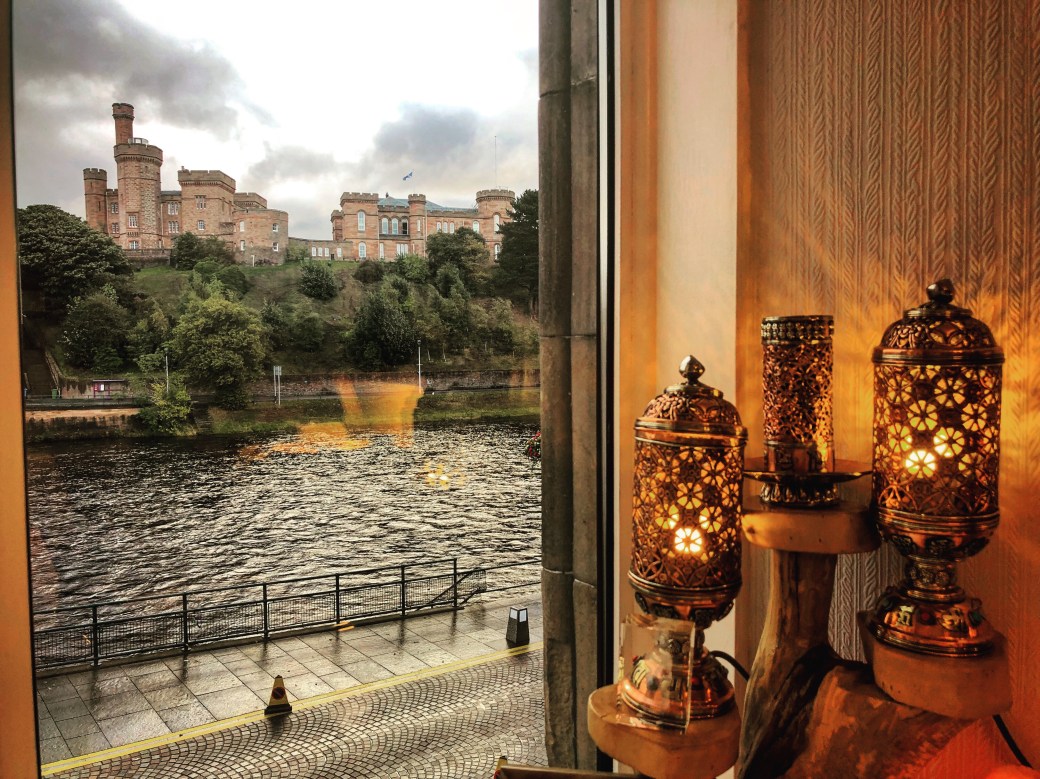
Arrived around supper-time and checked into the Castle View Hotel, run by the lovely Eleanor and her Jack Russell, Mia. The hotel is on the River Ness and pretty much everywhere was walkable. My room was on the top floor, with no lift. (PS same deal at the Inn on the Mile, just not a thing here).
The hotel boasted a lovely view of Inverness Castle, which houses the local courthouse and other offices. There are plans to build a new facility for the Courts so the castle can be opened to visitors. Fabulous rooftop views from my room, and gazing over the River Ness at the castle while enjoying a full and fabulous breakfast was perfection.
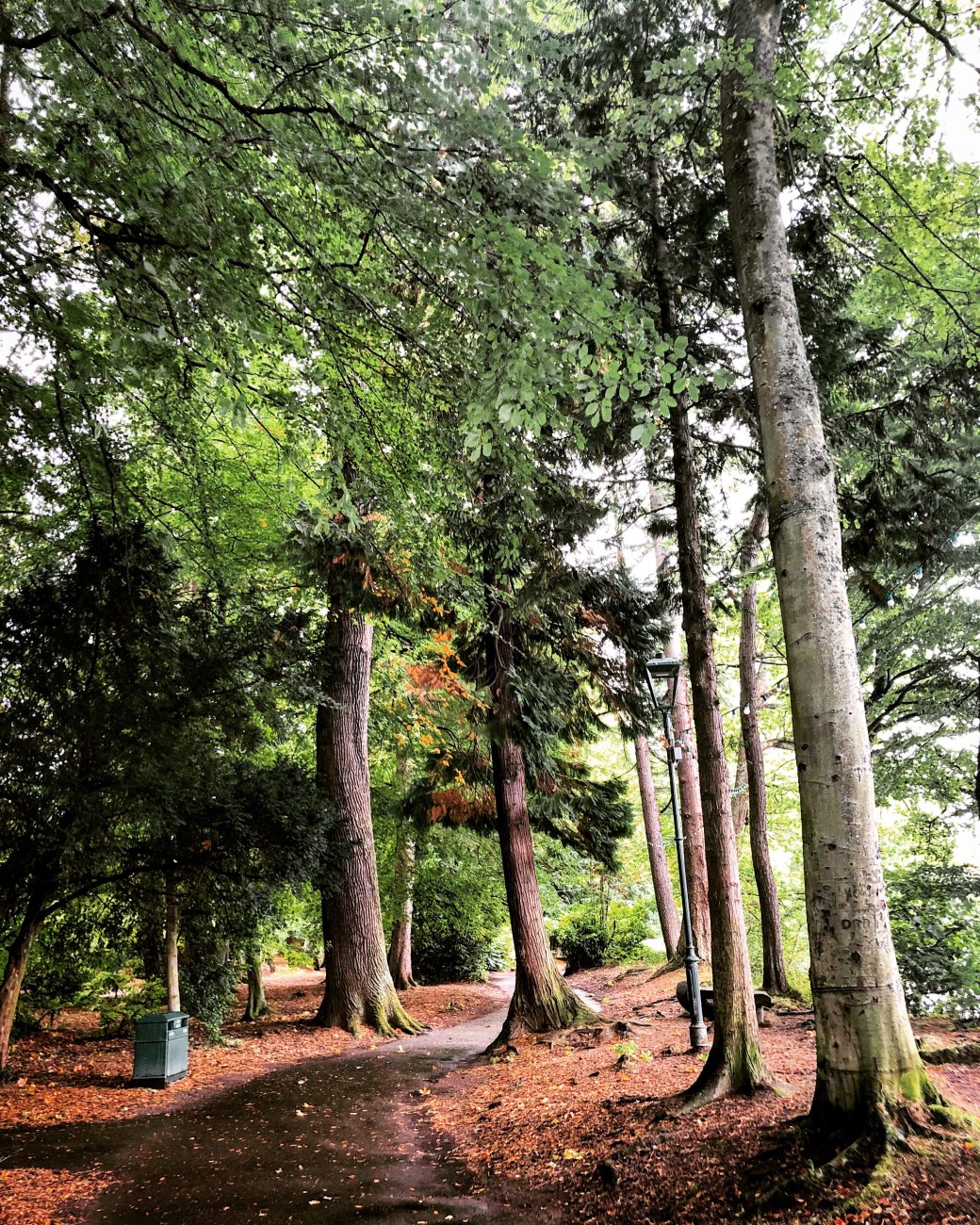
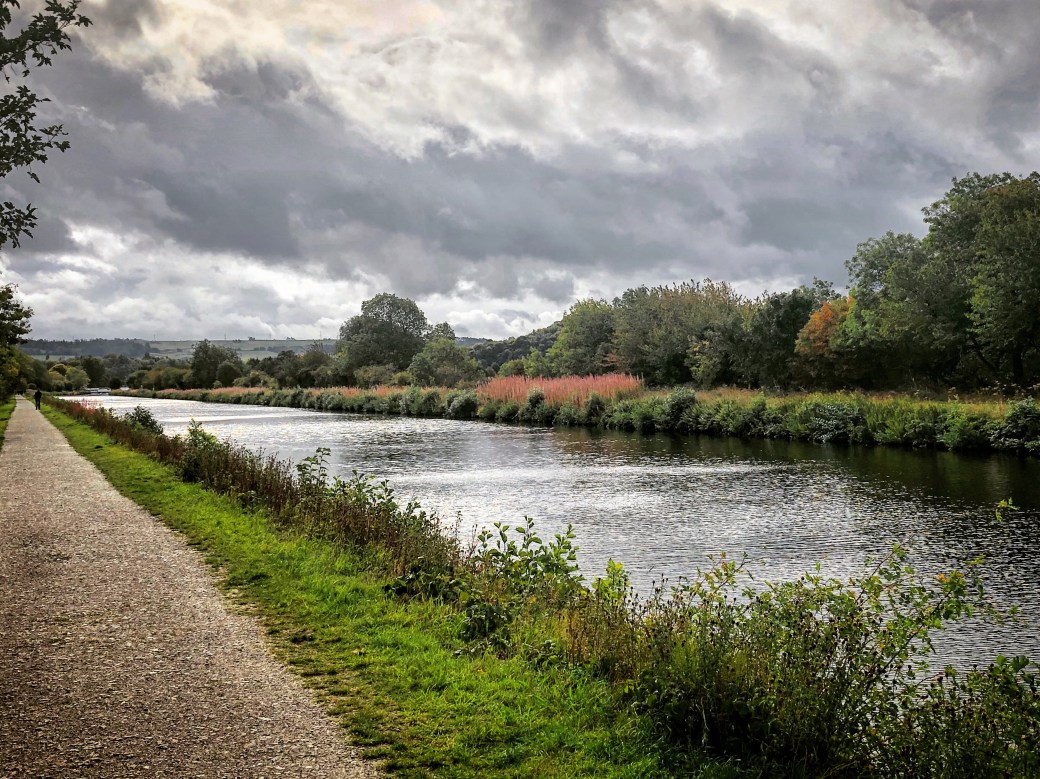
My first morning I walked about eight miles of the famed Great Glen Way, a lovely stroll along the River Ness to the park-like Ness Islands and then up the Caledonian Canal. The Way is a walking path that runs 78 miles, bisecting Scotland from Inverness to Ft. William. People in Scotland walk. And walk and walk. Trails go on for miles, and are so scenic you could die.
All the walking gives one time to ponder many things. For example, you know all the rules we have in the States, to protect us from one another’s presumed and inevitable bad behavior? In Europe, there are fewer rules, and amazingly, unregulated people actually rise to the occasion given the chance. For example, only a few dogs were on leash during my walk. Rather than being a catastrophe with dogs running wild and eating babies, every dog was on voice command. Dogs didn’t interact with other humans or with one another because they were looking at their owners. When they did have a bit of a run, the instant their owners whistled, they hit the brakes and ran back. Maybe Americans are boorish uncivilized barbarians and can’t be trusted to behave properly. We will never know.

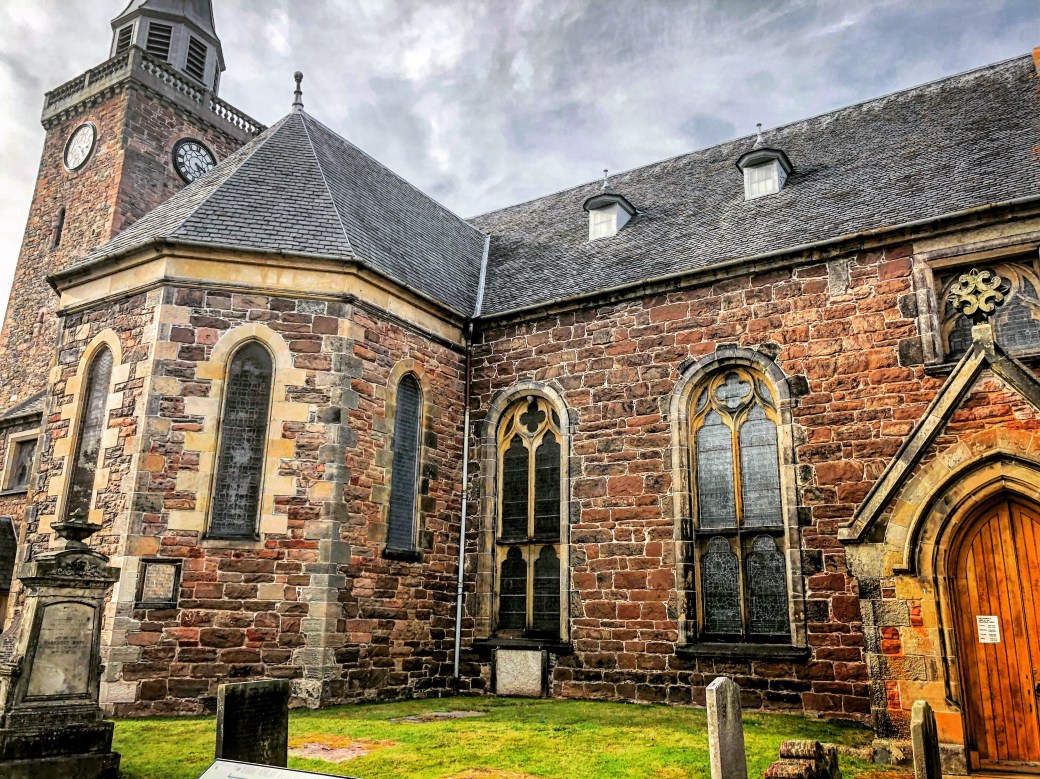
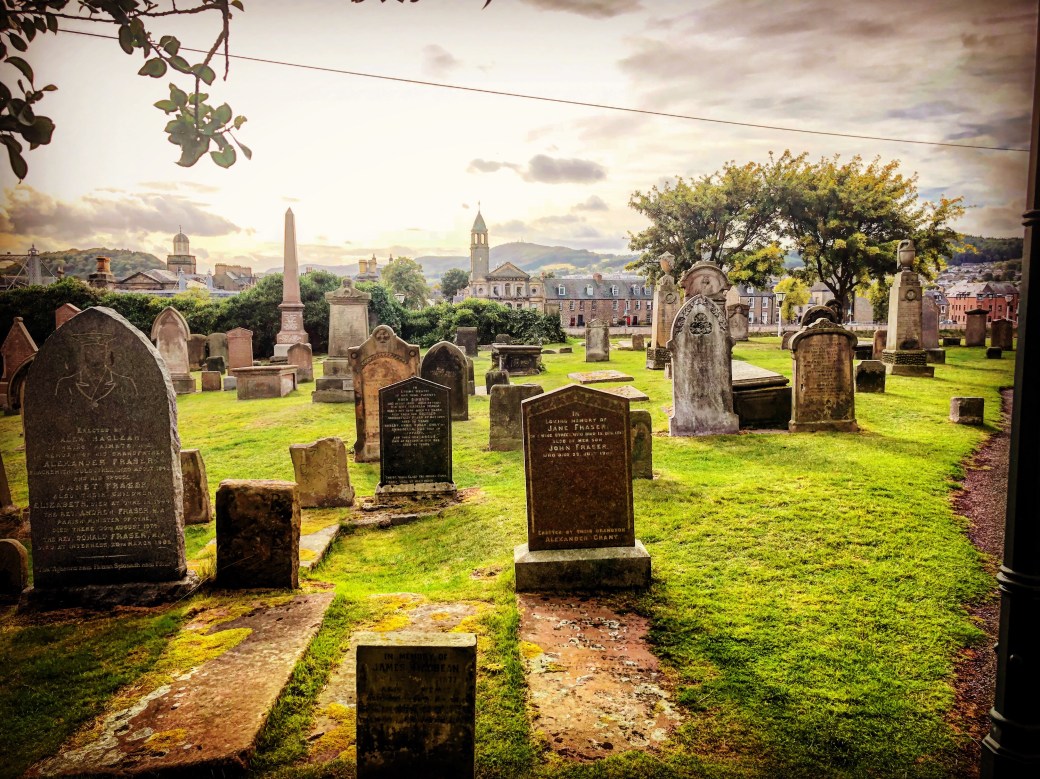
I then walked around Inverness, which unfortunately is pretty closed on Sunday because of God. This is too bad, mostly because there’s an amazing bookstore called Leakeys, located in a former church with floor to ceiling bookshelves and a wood stove. Next time. Visited the Old High Church, where Jacobites who survived the slaughter of Culloden were held before being executed in the churchyard. Because of God.
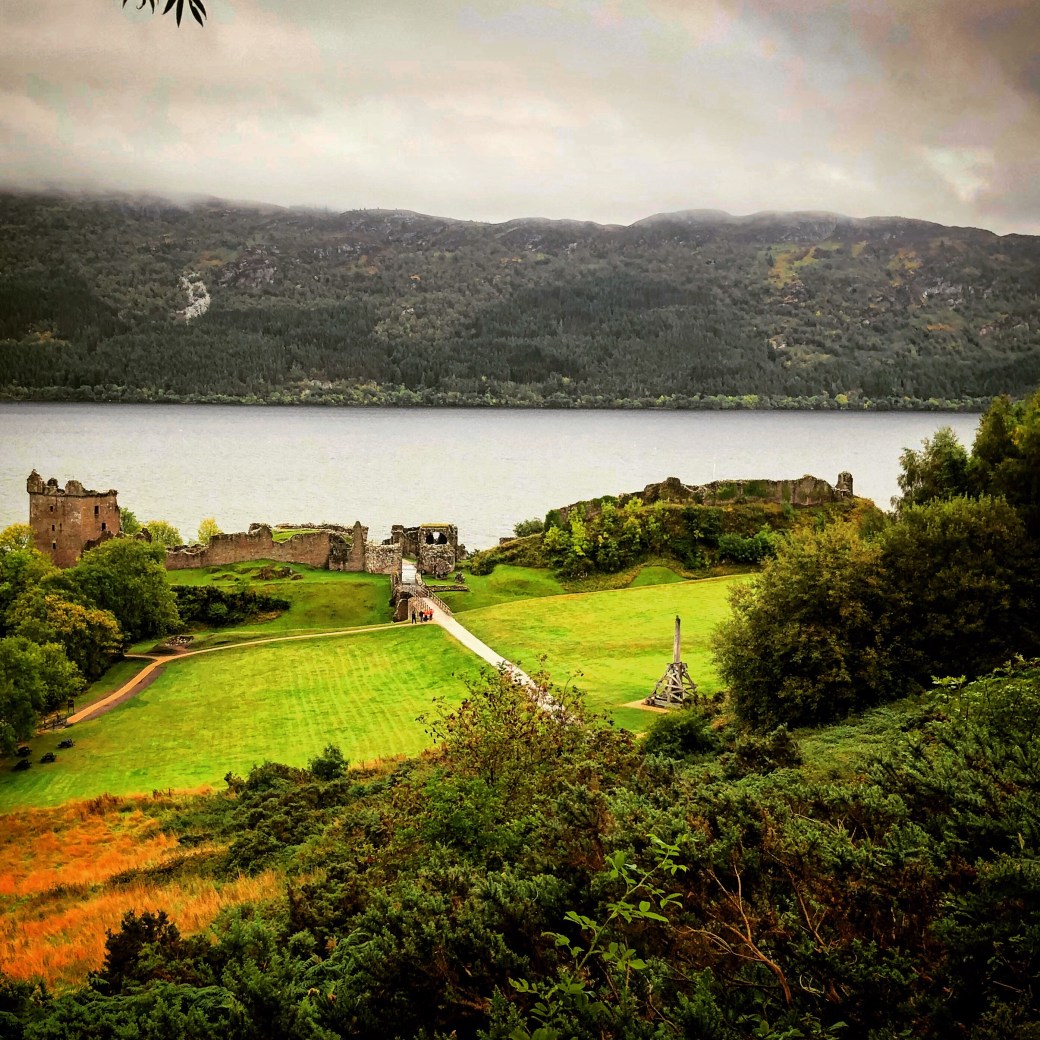
Next day I met George, a local guide, for a tour around the area. He arrived with coffee and croissants, so I liked him immediately. As we were emailing back and forth about logistics prior to my trip, I expressed a bit of ambivalence about visiting Loch Ness and Urquhart Castle because of all the tourists. George convinced me that it would be a shame if we didn’t at least do a drive-by before it opened. Even so, there were still a few tour buses, filled with loads of people who appeared to be checking sites off their lists, snapping photos and moving on, rather than really engaging, not that I’m being judgmental. The castle has 1,000 years of history under its belt. It’s the largest medieval castle in Scotland and the most important in the Highlands. Sadly, its owners blew it up in 1692 to keep the Jacobites from taking it. There’s a very cool old catapult on the grounds. Loch Ness is beautiful but so are many of the other 31,000-plus lochs in Scotland. No I’m serious. Scotland is a very watery land.
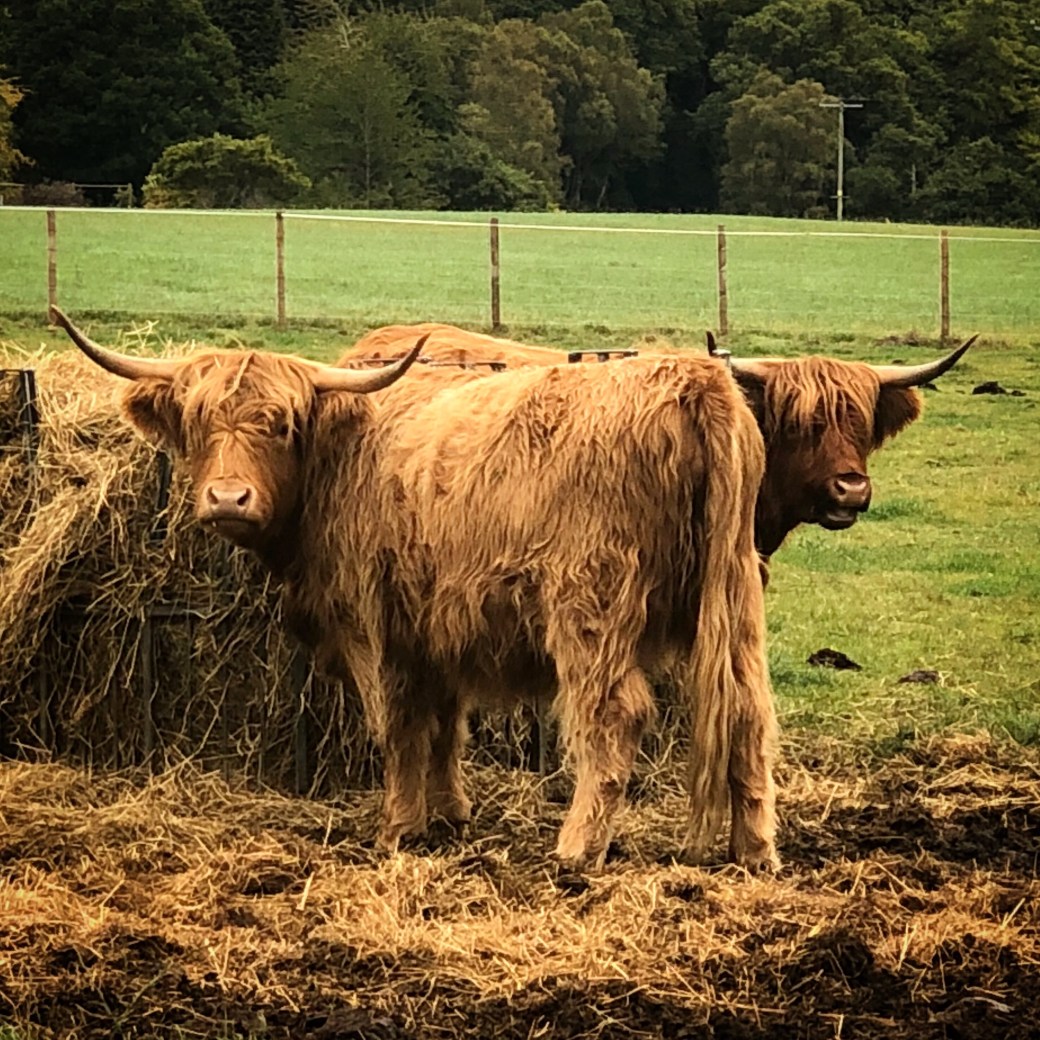
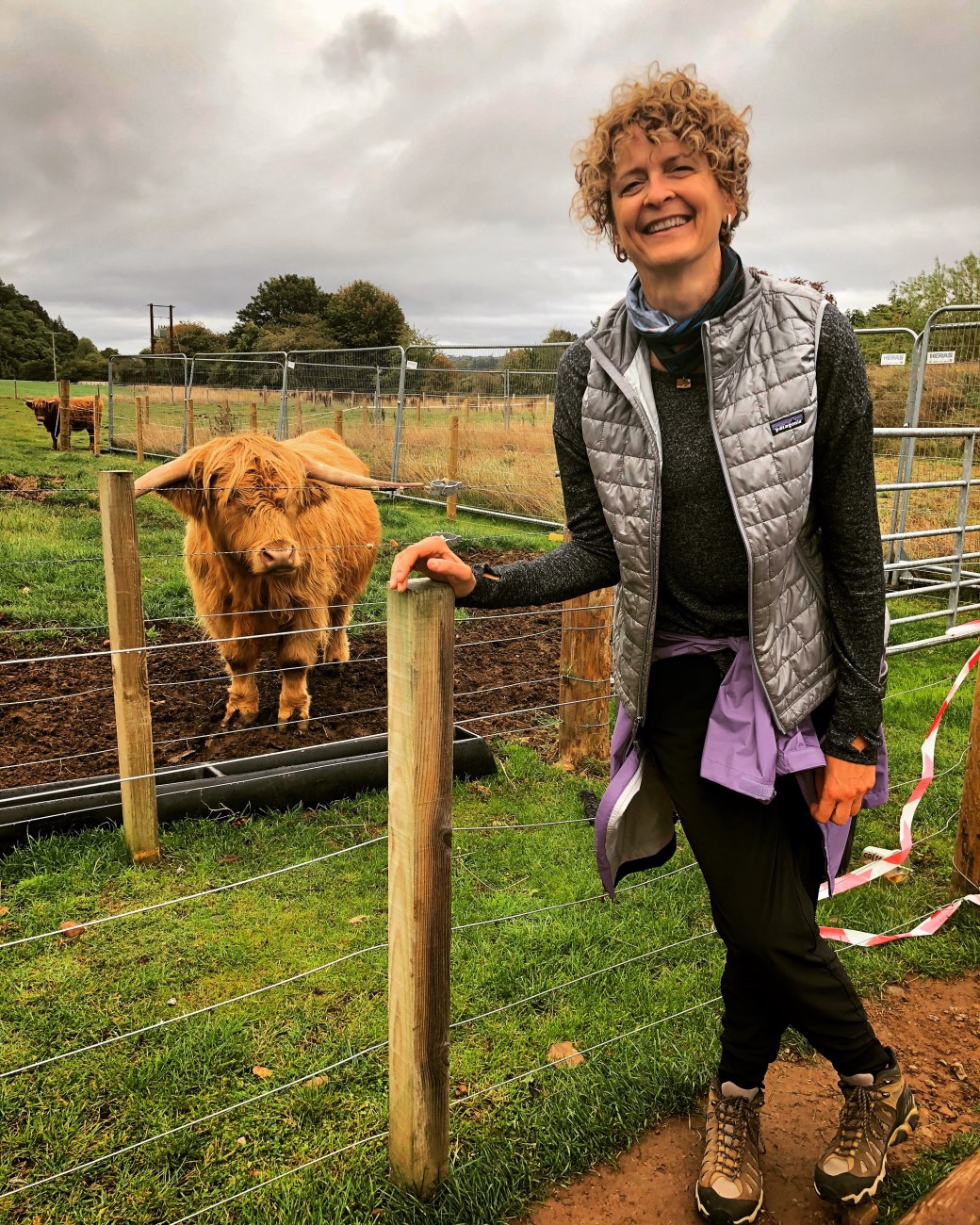
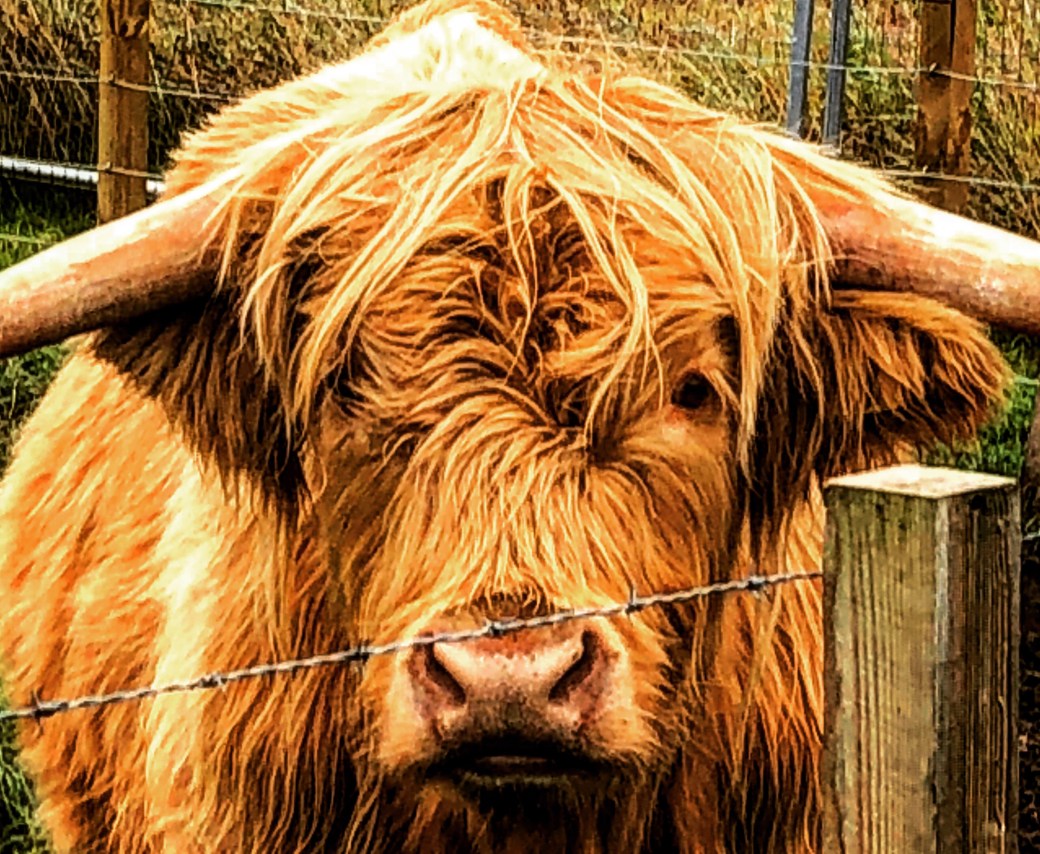
Like many visitors to Scotland, I was hoping to run across some Heilan coos, a.k.a Highland cattle. And they do not disappoint. Scotland’s animal population is full of extra-adorable creatures who seem to have been sprinkled with faerie dust. The hairy Coos originated in the Highlands and Outer Hebrides and were first mentioned in the 6th century AD. They are primarily bred for their meat, which is very lean, as they are largely insulated by their shaggy hair rather than by subcutaneous fat. Scotland does not appear to have industrialized its meat supply, so the coos have a pretty nice life until the end, grazing on the plentiful green grass and rounded bales of hay. Also posing for pictures.
Continuing my morning whisky tradition, we drove to Tomatin Distillery for a 10:00 a.m. tour and tasting. It was fascinating learning more about the making of Scotland’s national drink. Very complicated, time-consuming, lengthy and totally worth it. By law, Scottish whiskey must be made from water from Scotland and aged in oak barrels for at least three years. Of course, most whisky is aged much longer. There are lots of superstitions, for example, when the copper pot stills need to be replaced, if the old one is dented, the replacement must have a dent in exactly the same spot.
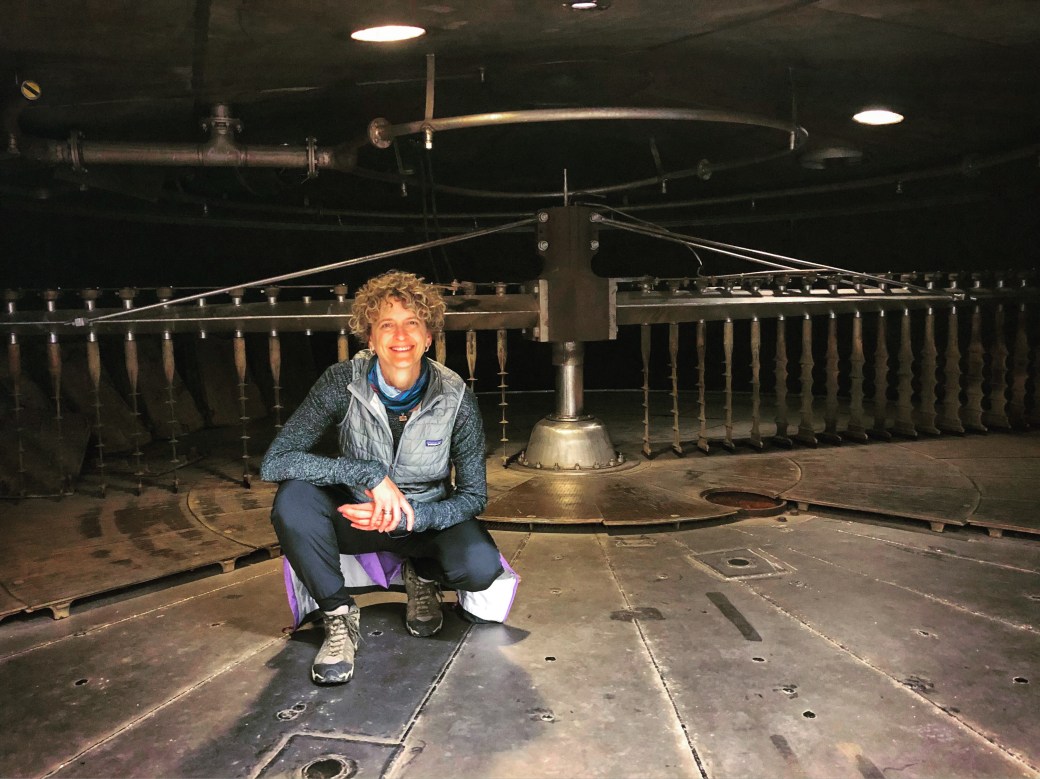
Tomatin has an old mash tun that you can climb inside. I was touring with a fellow from Germany who was very stoic about life and had no interest in getting his picture taken squatting inside a large tub. So what the heck is it? Ground down malted barley is fed into the mash tun with heated water. The temperature is high enough to dissolve many of the sugars in the grist but low enough to allow the enzymes to continue doing their thing. The liquid is collected and taken away to become whisky. The solid left over residue is given to local farmers for feed.
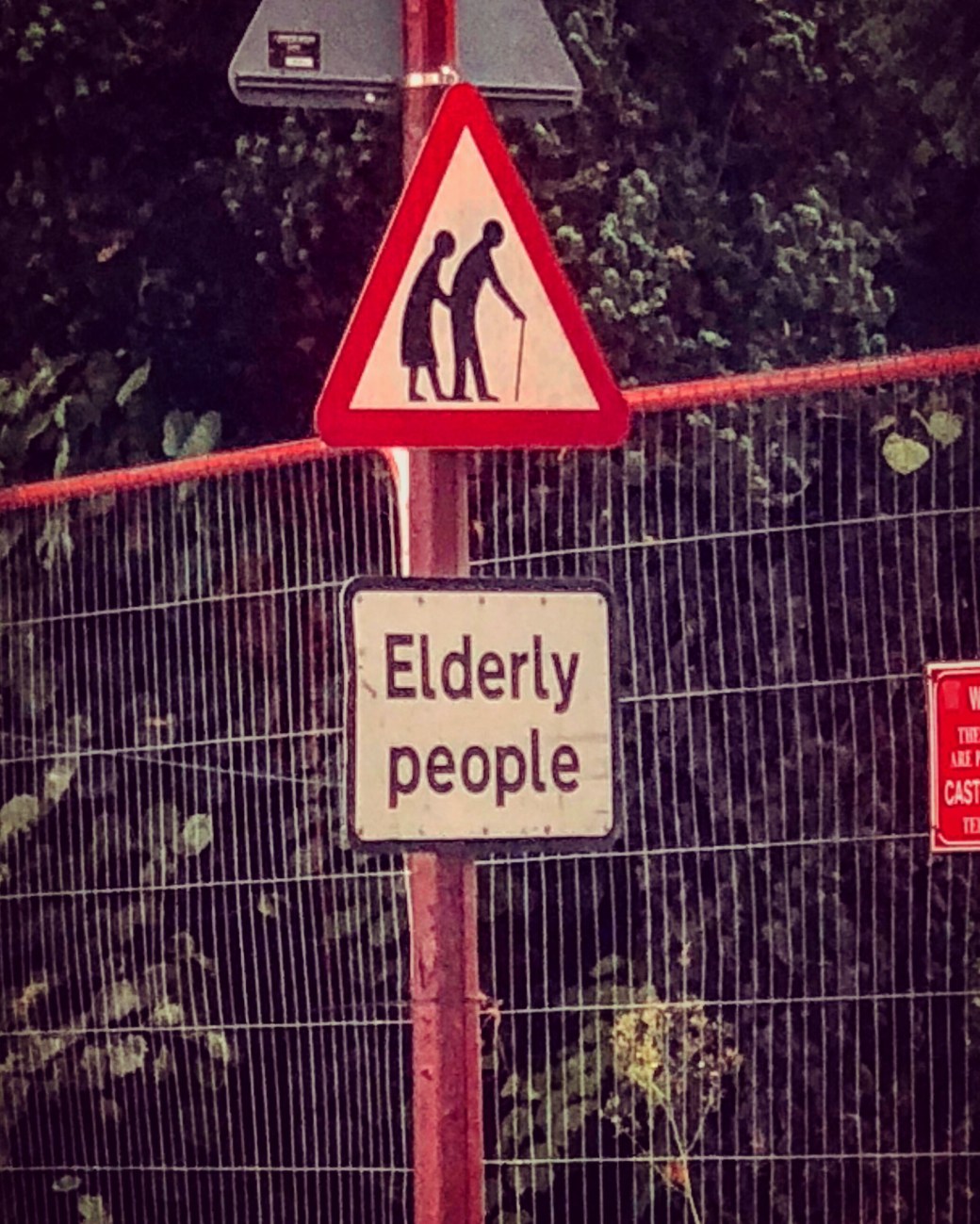
Since we did a fair bit of driving on this tour, a word about road signs. Of course, they are better than ours. They are gentler with more humor. Some examples: Instead of “travel time,” it’s “journey time.” Instead of detour, it’s diversion, which sounds way less annoying. Instead of “yield,” it’s “give way.” Instead of passing lane, it’s overtaking lane. We drove over several “weak bridges,” which means simply that it’s a one-way bridge. So drivers have to give way. But my favorite is this one.
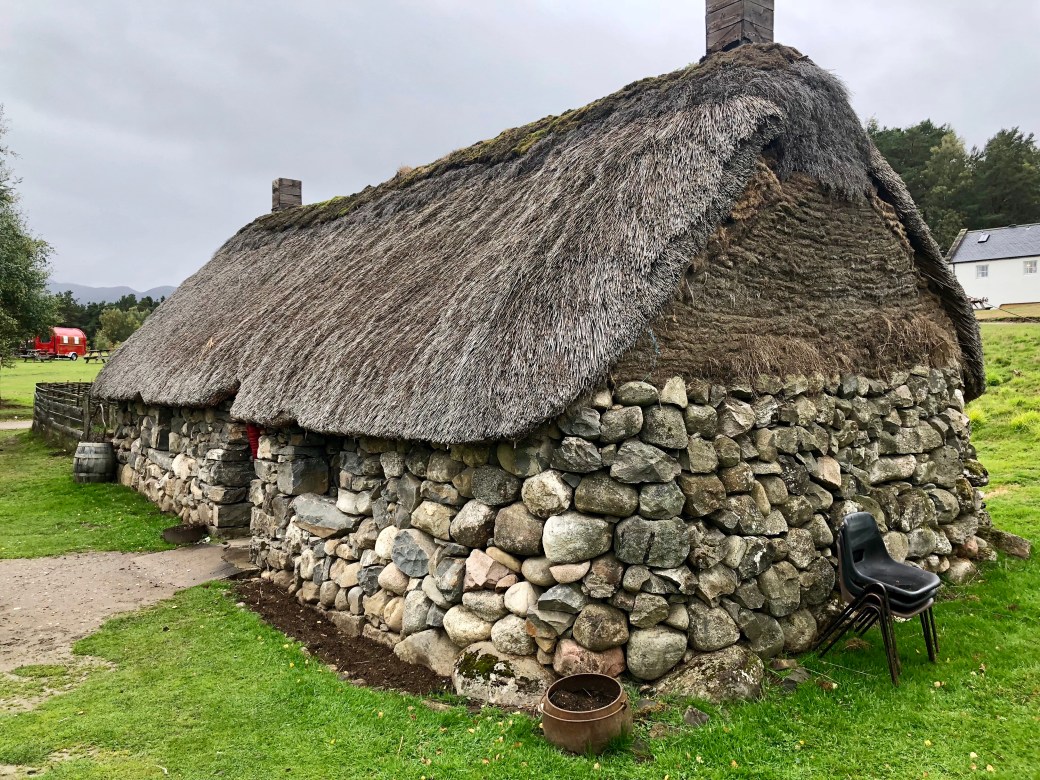
Our next stop was the Highland Folk Museum, Britain’s first open air museum. The museum gives a flavor of how Highland people lived and worked from the 1700’s through the 1950’s. Over 30 historical buildings are on the property, all furnished with items appropriate to their time period. Some have been built from scratch and some have been moved from other sites. It was fascinating looking inside these dwellings from throughout Scottish history, but my favorite was seeing an actual peat fire. It smells lovely, and it generates heat like you wouldn’t believe.
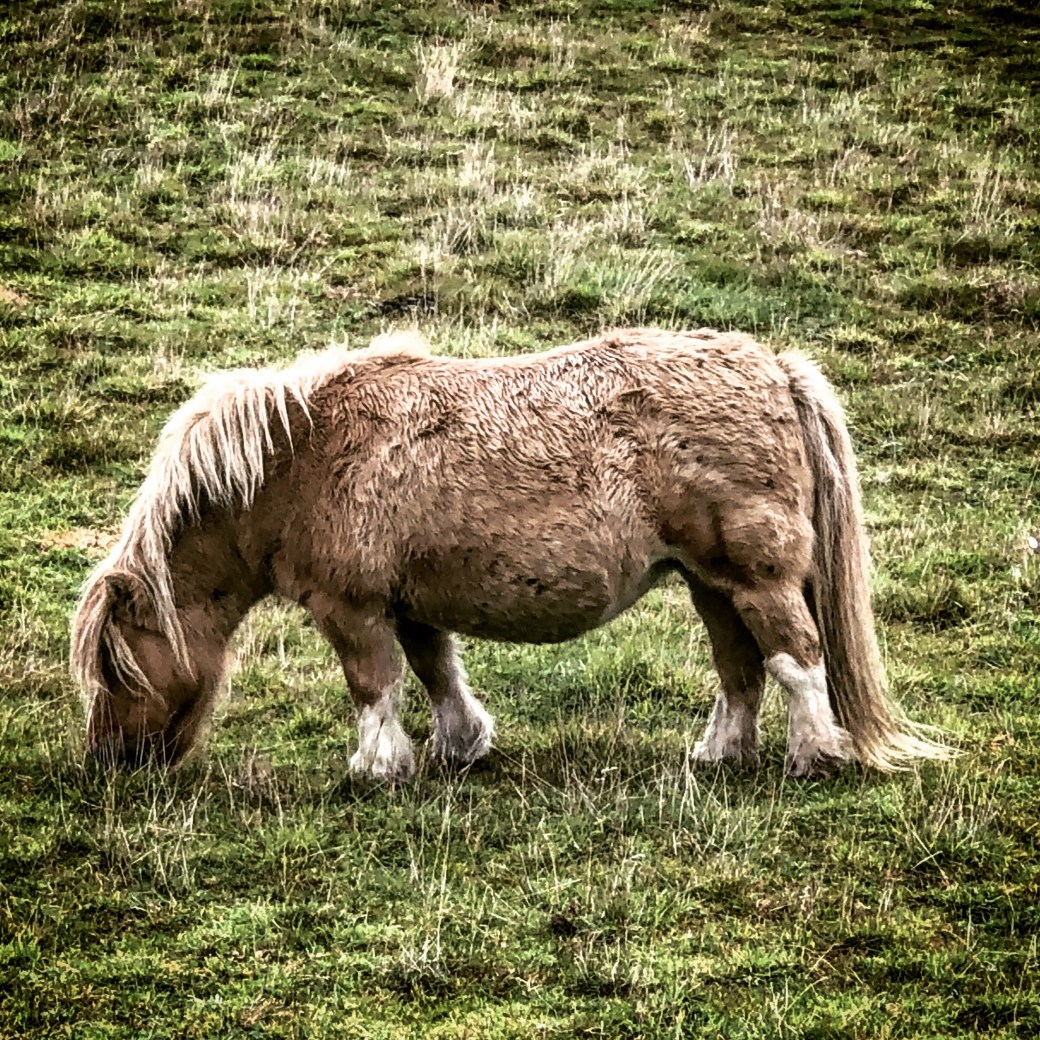
Also, there were Shetland ponies.

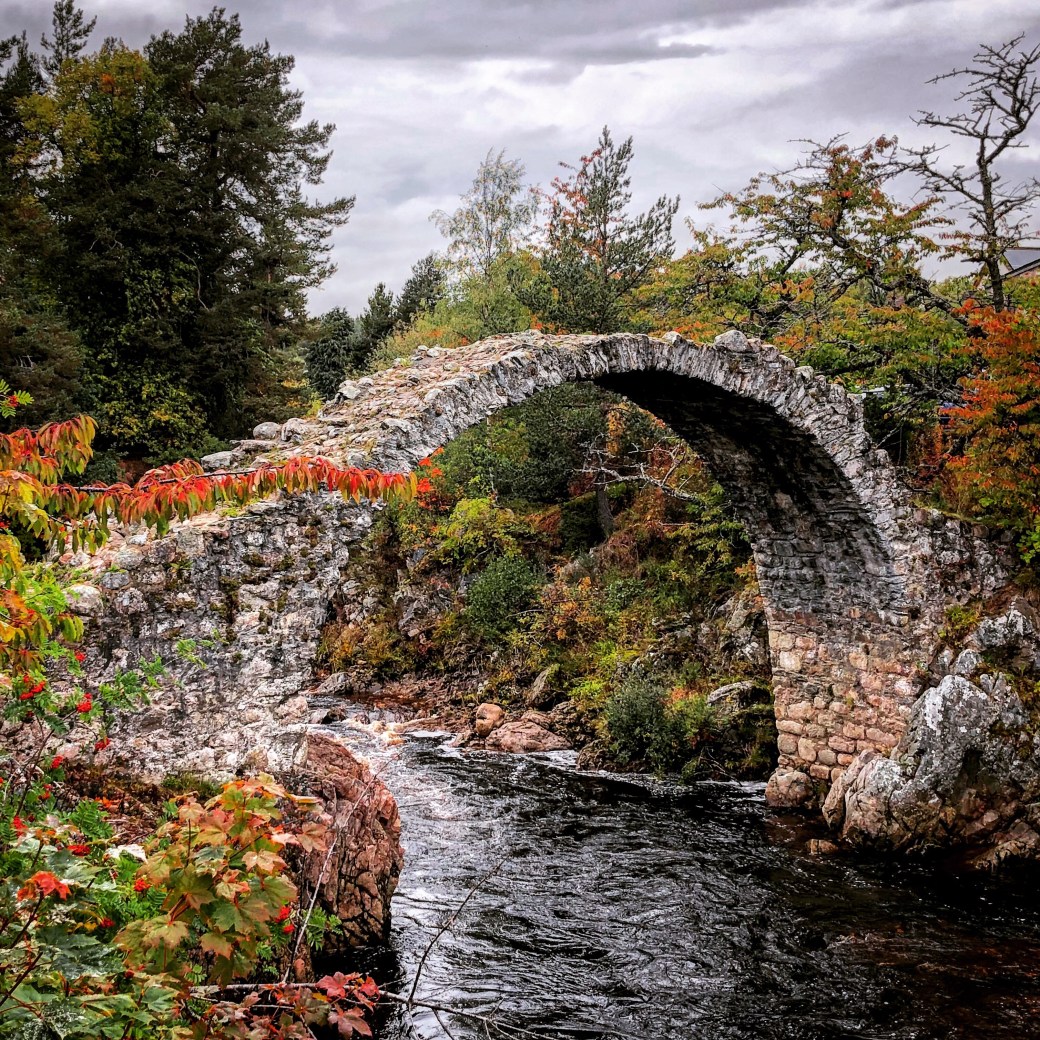
We next drove by Coffin Bridge, the oldest surviving packhorse bridge in the Highlands. It was built in 1717. Before the 18th century it was impossible to carry the deceased from the town of Carrbridge to the local cemetery when the river was high. So this bridge was constructed by one of the earliest Scottish members of Parliament, Alexander Grant of Grant.
George and I enjoyed a yummy lunch in a semi-fancy pub and now for another observation about rules and dogs. In Scotland, people can bring their dogs into restaurants. Not just little dogs. During lunch we were surrounded by a yellow lab, a sheep dog and a standard schnauzer. All perfectly well-behaved. Amazingly, I did not feel my health was in danger.
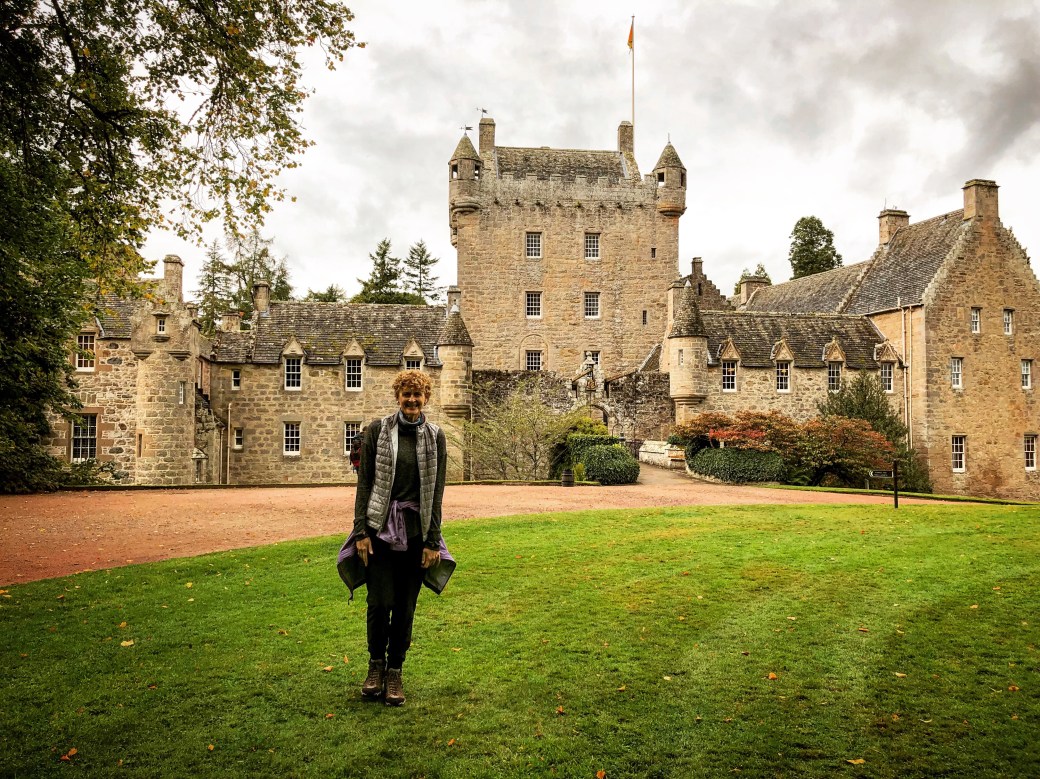
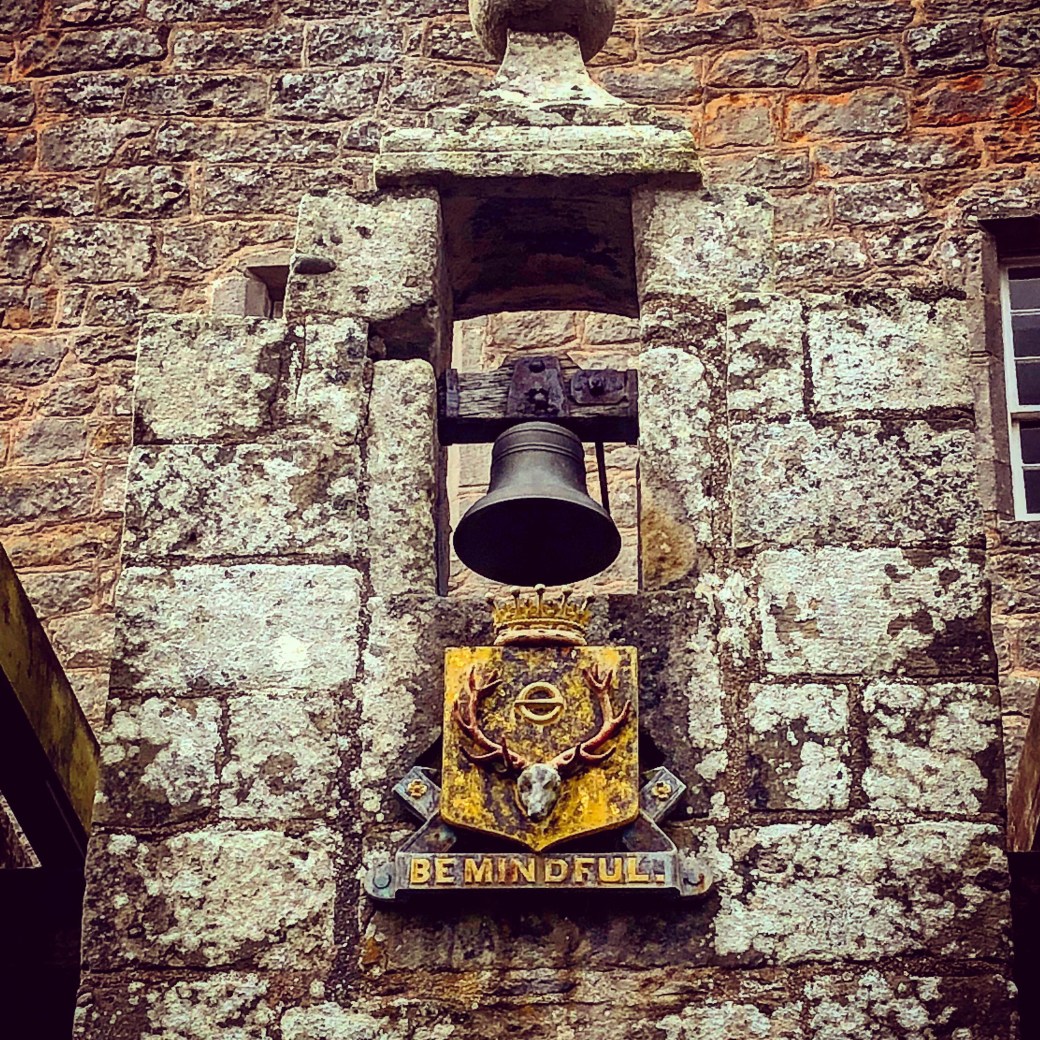
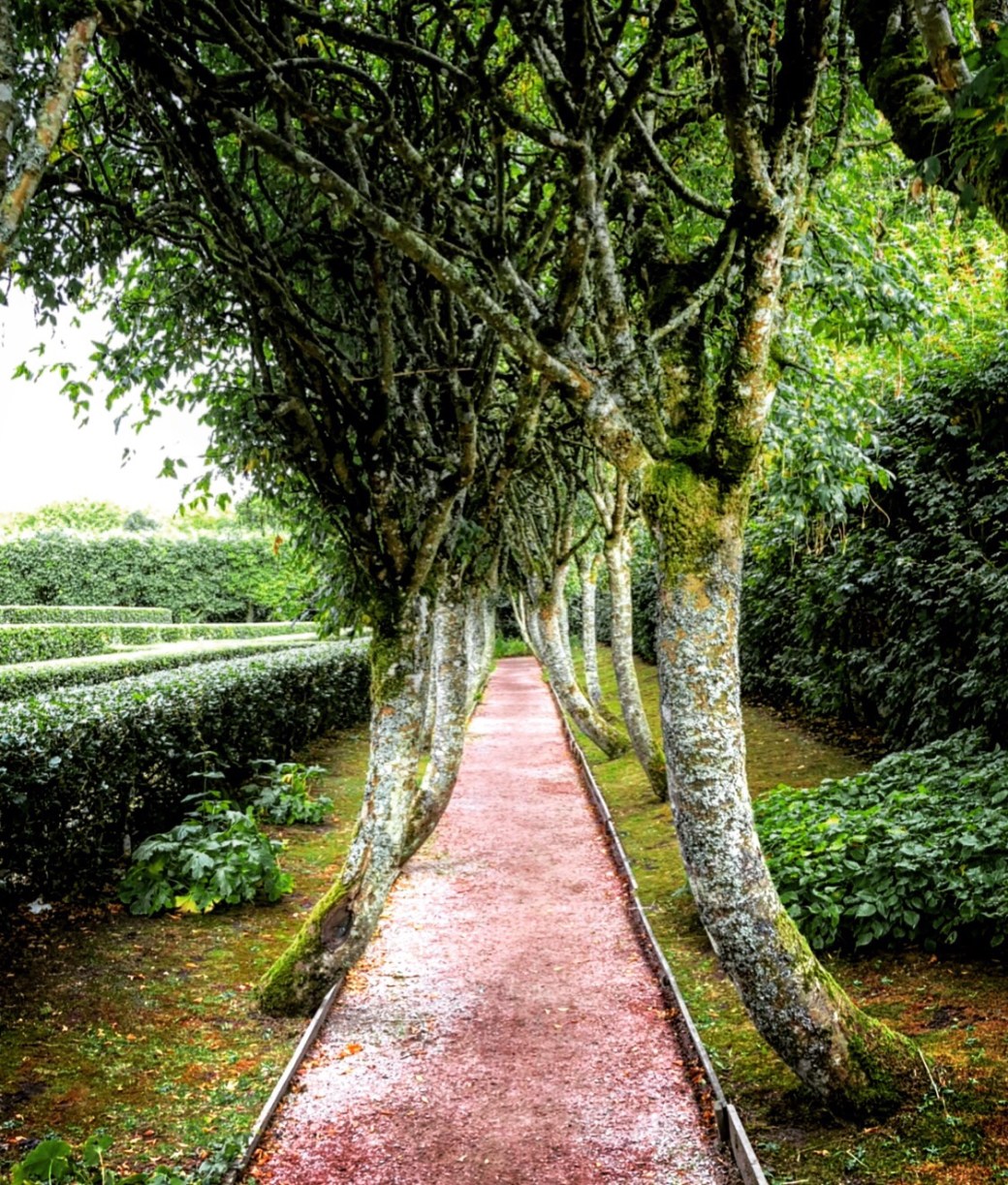
Next we were off to Cawdor Castle, currently owned by the Dowager Countess Cawdor, a woman in her 70’s who retires to another home on her estate during the summer months so she can charge tourists ten pounds each to enter. It’s fun to see a castle that is not in ruins and has never been attacked by Jacobites or redcoats, just a beautiful lived-in place with amazing gardens. Its other claim to fame is that Shakespeare refers to Macbeth as being the Thane of Cawdor in the Scottish play. However, the castle was built many years after the life of 11th century King Macbeth, so never mind. George told me he’s heard staff complain about the Dowager Countess and how difficult she is to work for, but I’m inclined to give her the benefit of the doubt because she installed a “be mindful” sign over the entryway.

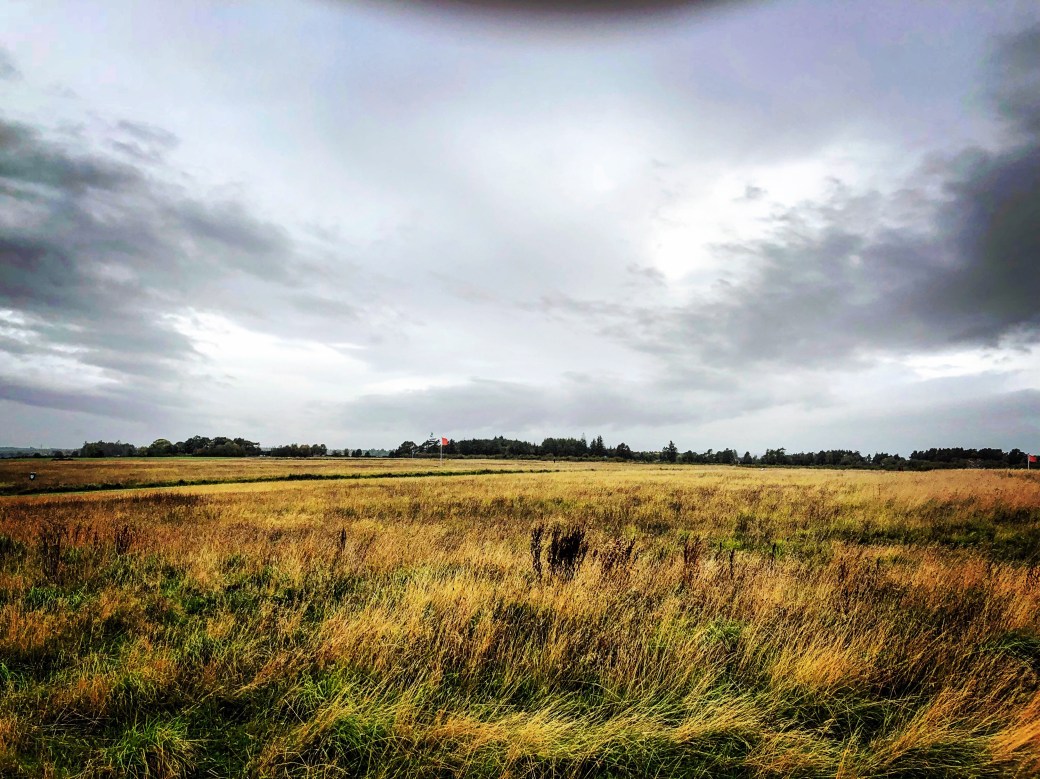
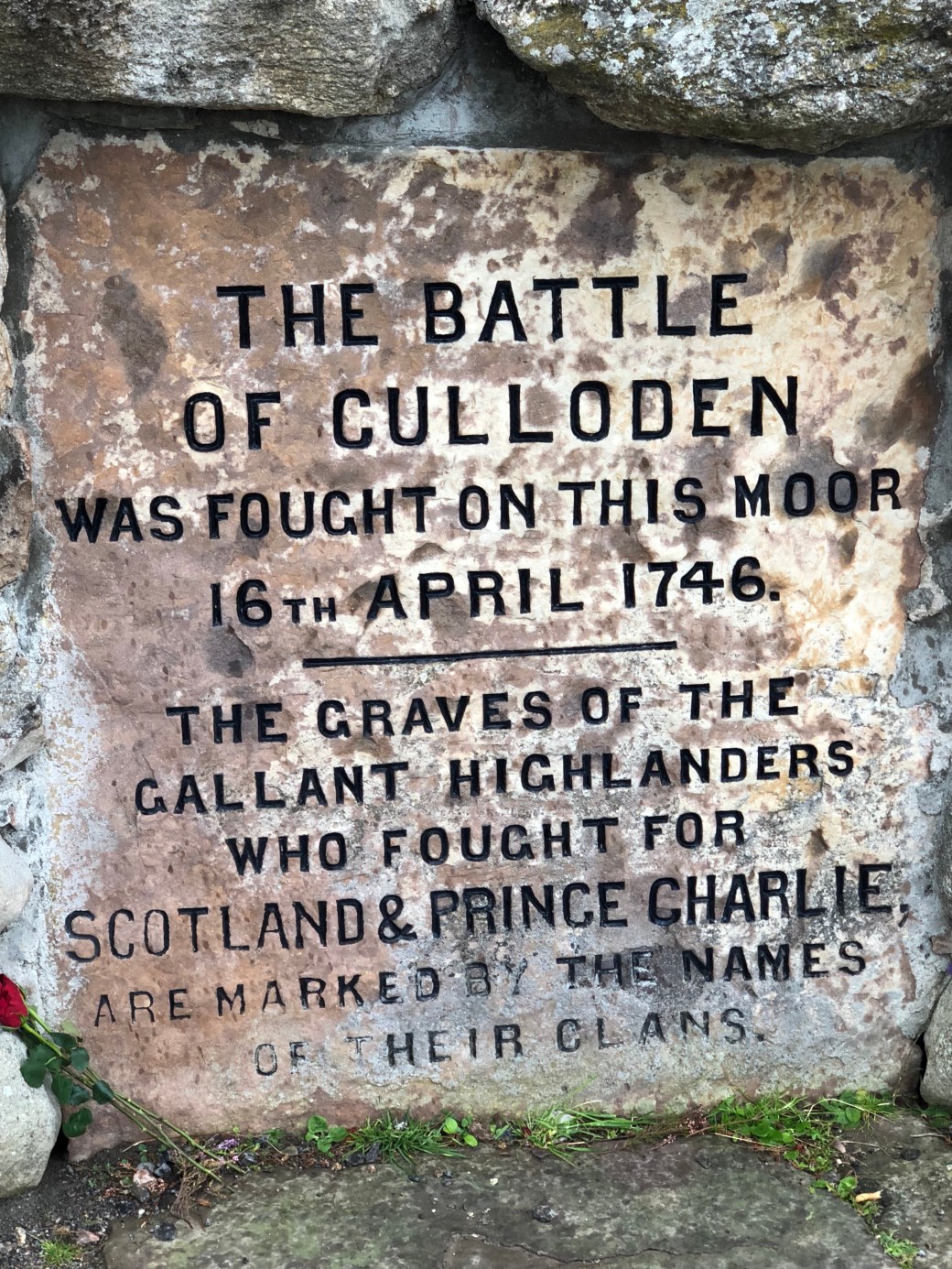
Finally, we headed to Culloden Moor to visit the memorial to those who perished in the devastating battle that raged there. The Jacobite army was devastated, and their defeat marked the beginning of the end of Highland culture in the 1700’s. The Jacobite Forces (supporters of installing Charles Edward Stuart, aka Bonnie Prince Charlie, to the thrones of Scotland and England) were handily defeated by the Hanoverian English in under an hour. This was the last of five Jacobite rebellions that occurred in 17th and 18th century Scotland. It was a bloody battle. The Scots lost between 1,500 and 2,000 men and the English only lost 50. This after the Bonnie Prince’s forces had swept through Scotland and almost made it to London. At this point, though, a decision was made to retreat back to Inverness, even though Charles II had his bags packed and was ready to head into exile. One of those many moments in history easy to second-guess.
Over the years after the battle the Brits decided to deal with the Highlanders once and for all. The infamous Highland clearances were implemented, where Scottish crofters were cleared from their lands to make room for more lucrative sheep farming. Laws were passed preventing all Scots from owning weapons, wearing the plaid of their clans, speaking Gaelic, effectively wiping out the Highland culture. Many, many of them emigrated to the United States. It was essentially ethnic cleansing – George told me that there were discussions in Parliament about requiring the mandatory sterilization of Highland women.
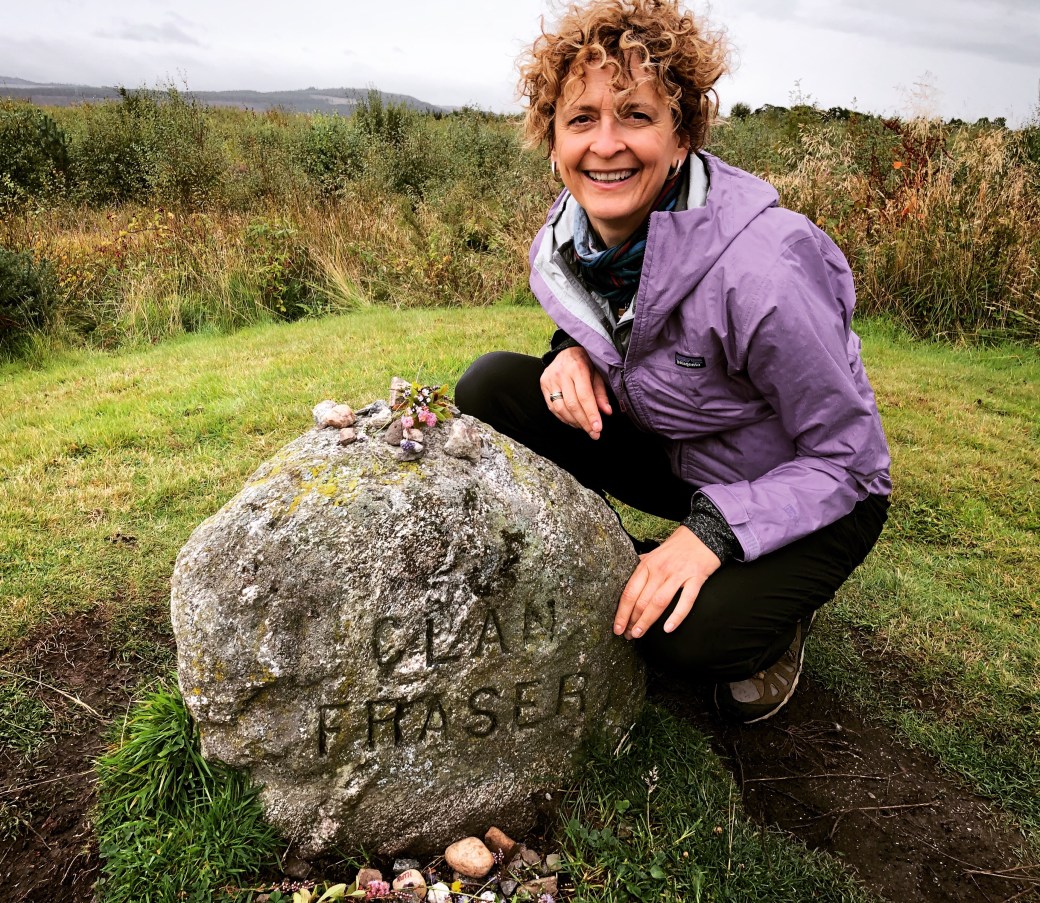
It is a somber place. Victorians installed a memorial, along with stones representing all the clans which were set about over the spot of mass graves. Thanks to the massive appeal of Outlander, the earth around the Fraser clan’s marker is denuded of grass, with little stones and flowers strewn over it. You’ll see my own disrespectful and inappropriate photograph below. The battlefield is very simple – a line of blue flags marking the spot where the Scots lined up, and a line of red flags marking the position of the British. It’s worth noting that the Bonnie Prince and the Duke of Cumberland, the commander of the British forces, were both just 25 years old. These days they would still be in college or back living with their parents while they found themselves. Hard to imagine.
We ended the day at the 4,000 year old Clava Cairns just down the road. A clava cairn is a type of Bronze Age circular chamber made of stones. They are typically surrounded by standing stones, and their history is very murky. This area was the inspiration for Diana Galbadon’s books. So again, me with the dumb Outlander photo. (PS the stones don’t work at all). George said that local witches, wiccans and druids still gather here for dances and mystical ceremonies. A couple of local Scottish women talked to us for a while, and they were dead serious about the magic of the place. The veil between Druid magic and faeries of old and the 21st century is very thin in Scotland.

George dropped me at my hotel after 7:00 and I had a quick dinner and stopped in a local pub for literally 5 minutes to check out the nightly traditional Scottish folk music. It was pouring down rain and honestly George had slightly exhausted me with all the facts and history, as much as I loved it.
Next day, I was onto my Backroads hiking tour of the Highlands!
 Wee Dram of Scotland
Amazing— I’m enraptured and jealous all at the same time. Especially when it comes to faeries, graveyards and druids. Xoxo
LikeLike
Loved reading this Julie! Thanks for sharing! Looking forward to the next post.😀
LikeLike
You must take notes during all of these tours… if not, your auditory recall is spectacular! Loving your posts and all that I learn between chuckles. Seems like you’re having the best time! 😊
LikeLiked by 1 person
Pretty gorgeous just from the photos – can’t even imagine what it must be like to actually be able to experience it!
LikeLike